Posted on — Leave a comment

Worst Adoption of Anesthesia

As late as 34 years after the public introduction of anesthesia, there were doctors who refused to use it. Some said that the shock of pain is a necessary ingredient to recovery. Others were afraid, because some preachers said that anesthesia was the work of the devil.

Following William T.G. Morton’s 1846 public demonstration of ether anesthesia, resistance persisted among certain surgeons and religious leaders:

The “Vital Stimulus” of Pain: Many 19th-century surgeons believed pain was a necessary physiological stimulant. Prominent figures, including French surgeon François Magendie and U.S. Civil War military doctors, argued that surgical pain triggered a beneficial shock reaction required to jumpstart the body’s natural healing and clotting mechanisms.

Religious Resistance: Clergy members—particularly opposition directed at obstetrician James Young Simpson’s use of chloroform in childbirth starting in 1847—argued that pain was a divine decree. They cited Genesis 3:16 (“In sorrow thou shalt bring forth children”) to claim that relieving labor pain interfered with God’s will or was the work of the devil.

The Timeline Context: While resistance was widespread immediately following 1846, mainstream medical adoption happened rapidly. By 1880 (34 years later), anesthesia was the standard of care in Western medicine, though a small minority of conservative traditionalists and religious objectors still refused its application.

The public acceptance of anesthesia shifted dramatically after 1853, when Queen Victoria accepted chloroform during the birth of Prince Leopold, effectively silencing religious opposition.


Posted on — Leave a comment

Worst Overreaction To Liquor

If a drop of liquor gets on a scorpion, it will immediately commit suicide with its own stinger.

Facts About Scorpions

  • Glow Under UV Light: Scorpions fluoresce a vibrant blue-green color under ultraviolet light due to special chemicals (like beta-carboline) present in their exoskeleton’s hyaline layer.
  • Ancient Survivors: Scorpions are among the oldest land animals on Earth, with fossil records dating back over 400 million years—predating the dinosaurs.
  • Live Birth & Maternal Care: Unlike most arachnids that lay eggs, scorpions give birth to live young. Mother scorpions carry their soft, pale offspring on their backs until their first molt.
  • Extreme Survival Abilities: Scorpions can slow their metabolism so drastically that some species can survive up to a year without food and remain submerged underwater for up to 48 hours.
  • Controllable Venom Injection: A scorpion can regulate how much venom it injects depending on the size of its prey or threat level, sometimes delivering a “dry sting” with no venom at all to conserve resources.
  • Courtship “Promenade”: Mating involves a ritualistic dance called the promenade à deux, where the male grasps the female’s pedipalps (pincers) and leads her around to find a suitable surface to deposit his spermatophore.
  • Rare Toxicity to Humans: Out of over 2,500 known scorpion species, only about 30 produce venom strong enough to be lethal or dangerous to healthy adult humans.
  • Sensory Combs (Pectines): On their undersides, scorpions possess unique comb-like organs called pectines that detect subtle vibrations, textures, and chemical trails on the ground.
  • Fluorescent Fossil Clues: Even fossilized scorpions that are millions of years old can still glow under ultraviolet light if their hyaline coating remains intact.
  • Venom in Medicine: Scorpion venom contains complex cocktails of peptides that researchers are studying to treat cancer, target tumors, develop immunosuppressants, and engineer targeted pain relievers.


Blue Scorpion's Reaction to Liquor

Posted on — Leave a comment

Worst Thing About Mattresses

A mattress gains a measurable amount of weight over a decade, typically ranging from a few ounces to a couple of pounds (a kilogram), due to absorbed moisture and trapped biological debris.

Dust Mite Populations: A typical used mattress can indeed harbor hundreds of thousands to a few million dust mites (Dermatophagoides). They thrive in warm, humid environments and feed almost exclusively on shed human skin cells.

Mite Debris: The majority of the allergen mass associated with dust mites comes from their microscopic fecal pellets and shed exoskeletons rather than the live insects themselves.

Accumulated Human Waste: Over 8 to 10 years, an average adult loses hundreds of liters of sweat in bed, along with millions of dead skin cells daily. Over time, volatile organic compounds, oils, skin flakes, and traces of bodily fluids penetrate standard woven sheets and settle within the underlying foam or fiber layers.

Posted on — Leave a comment

Worst Way to Demonstrate
Mastery Over Pain

Certain Hindu ascetics (sadhus) undertake an extreme vow called Urdhva Bahu (meaning “raised arm”).

The most famous contemporary figure is Amar Bharati, who raised his right arm in 1973 as a vow of religious devotion to the deity Shiva and a protest for world peace.

After holding an arm aloft for several years, severe muscle atrophy occurs, blood circulation drops, cartilage in the joints dries out, and bone structure calcifies. The limb eventually becomes permanently frozen in place, meaning the practitioner can no longer lower it even if they try.


Posted on — Leave a comment

Worst Element in Your Body

You might consider phosphorus as the worst element in your body. Handling pure phosphorus is extremely dangerous and requires highly specialized safety equipment:

Spontaneous Combustion:

It auto-ignites in air at around 30°C (86°F). Because of this, it must be stored and handled completely submerged in water or inside an inert-gas glove box (nitrogen or argon).

Physical Handling:

It cut easily like paraffin wax under water. If taken out into the air, it immediately begins to fume, turn yellow, and catch fire, releasing dense, toxic white clouds of phosphorus pentoxide.

Health Hazard:

It causes severe, deep chemical and thermal burns that eat through skin down to the bone. It is also toxic if absorbed, inhaled, or ingested. If exposed, skin must be kept submerged in cold water continuously while particles are manually removed with non-sparking tools or forceps – never bare hands.

Here Are the Elements That Make Up the Human Body

Major Elements (~99% of Body Mass)

  • Oxygen (O): ~65%
  • Carbon (C): ~18.5%
  • Hydrogen (H): ~9.5%
  • Nitrogen (N): ~3.2%
  • Calcium (Ca): ~1.5%
  • Phosphorus (P): ~1.0%

Minor & Electrolyte Elements (~0.85% of Body Mass)

  • Potassium (K): ~0.4%
  • Sulfur (S): ~0.25%
  • Sodium (Na): ~0.2%
  • Chlorine (Cl): ~0.15%
  • Magnesium (Mg): ~0.05%

Essential Trace Elements (<0.1% Combined)

  • Iron (Fe)
  • Zinc (Zn)
  • Fluorine (F)
  • Copper (Cu)
  • Iodine (I)
  • Manganese (Mn)
  • Molybdenum (Mo)
  • Selenium (Se)
  • Chromium (Cr)
  • Cobalt (Co)

Ultratrace Elements (Tiny, Variable Quantities)

  • Silicon (Si)
  • Vanadium (V)
  • Nickel (Ni)
  • Boron (B)
  • Tin (Sn)
  • Arsenic (As)
Posted on — Leave a comment

Worst Hypnosis

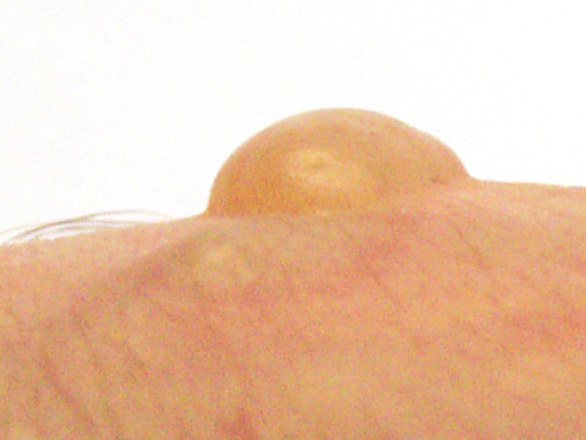
Hypnotized subjects have been made to form blisters on their skin simply from carefully worded suggestions.

Hypnotic Blister Formation: Fact or Fiction?

Verdict: Yes, with important caveats.

While it sounds like an urban legend, hypnotic blister formation—the production of real localized skin blisters or burn-like lesions through verbal suggestion alone—is a well-documented phenomenon in late 19th- and 20th-century psychosomatic research. However, modern science views these historical findings through a lens of strict methodology and skepticism.

What the Historical Cases Showed

Starting in the late 1800s (most notably by French researchers like Focachon and Jules Liégeois) and continuing into mid-20th-century studies, experimenters reported placing an unheated object—such as a coin or a cold piece of metal—on a deeply hypnotized subject’s skin. They would give a specific suggestion: “This object is glowing hot and will burn your skin.”

In documented trials, subjects frequently exhibited:

  • Localized vasodilation (intense redness and localized heat).
  • Localized edema (swelling) and fluid collection beneath the skin.
  • Full bullae (fluid-filled blisters containing sterile serum) that closely mimicked second-degree burns.

How Science Explains the Mechanism

The skin and the central nervous system share a common embryonic origin (the ectoderm) and remain tightly linked through the autonomic nervous system.

When a subject fully accepts a high-intensity hypnotic suggestion, the brain can trigger localized vascular changes. This includes dramatic changes in local blood flow, capillary permeability, and the release of inflammatory mediators (such as histamines, neuropeptides, and kinins). In simple terms, the mind initiates a localized inflammatory response—a severe nocebo effect—causing fluid to leak into the tissue and form a blister, even though no thermal energy touched the skin.

The Caveats and Modern Skepticism

While these experiments are cited in psychosomatic literature, modern researchers point to key limitations:

  1. Lack of Strict Controls (Historical Flaws): A critical review of early studies (such as Gordon L. Paul’s landmark 1963 paper, The Production of Blisters by Hypnotic Suggestion) noted that many early 20th-century trials lacked rigorous surveillance. In some unmonitored cases, subjects intentionally or unconsciously scratched, rubbed, or picked at the area under a bandage to satisfy the experimenter’s expectations.
  2. Variable Reproducibility: Blister formation only occurs in a tiny percentage of highly hypnotizable (“somnambulistic”) individuals. Replicating the effect under modern laboratory controls with continuous video surveillance has proven difficult, as many normal subjects fail to produce structural tissue changes from verbal suggestion alone.
  3. Ethical Constraints: Modern institutional review boards (IRBs) prohibit attempts to induce tissue damage or pain via psychological suggestion, preventing further rigorous trials today.

The Bottom Line

The claim is historically and scientifically true in documented instances, serving as an extreme example of the mind-body connection and autonomic nervous system control. However, it is an exceptionally rare response requiring an extraordinarily high level of hypnotic susceptibility, and historical reports likely include a mix of genuine psychogenic tissue changes and uncontrolled mechanical irritation.

Asthma and Hypnosis

For asthma sufferers: Scientists have proven that many sufferers can reduce or eliminate symptoms with self-hypnosis. Try to imagine or actually view a pleasant image, or imagine yourself in a situation where you are enjoying yourself and are symptom-free. It often works.

Posted on — Leave a comment

Worst Teacher

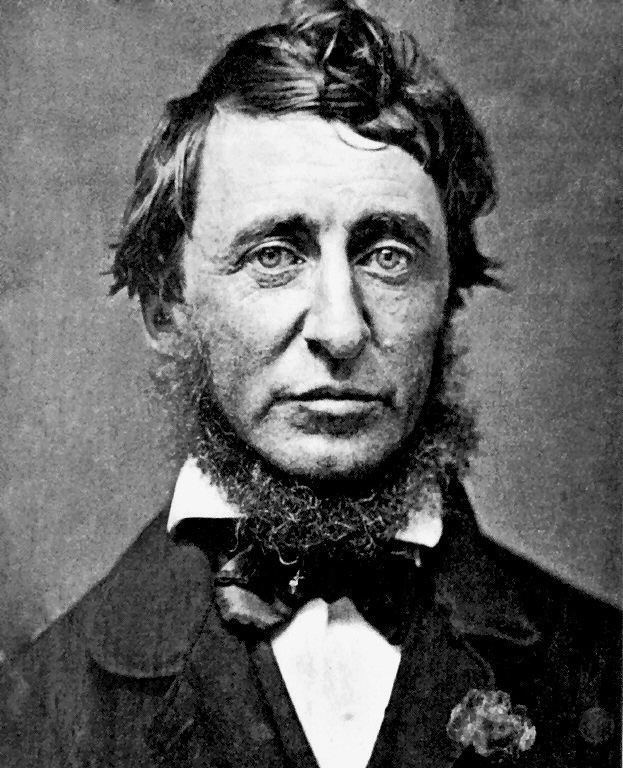
At one time Henry David Thoreau, who according to a Wikipedia article, was an American essayist, poet, philosopher, abolitionist, naturalist, tax resister, development critic, surveyor, yogi, and historian, was also at one point a school teacher. When he was accused by his principal of leniency, he immediately grabbed six random kids and spanked them.

In September 1837, a 20-year-old Henry David Thoreau took a job as a schoolmaster at the Center School in his hometown of Concord, Massachusetts. He had strong personal objections to corporal punishment and refused to whip or strike the children, opting instead to maintain order through dialogue and mutual respect.

After about two weeks, a member of the local school committee (Deacon Nehemiah Ball) visited the classroom, accused Thoreau of being too lenient, and insisted that he use corporal punishment to keep the students in line.

To make a point about the absurdity of mandatory whipping, Thoreau selected six students at random after school and struck them with a ruler (a practice known as feruling). One of the students he feruled happened to be a maid-servant who worked in his family’s own household.

Troubled by his actions and refusing to work under a system that demanded physical punishment, Thoreau tendered his resignation that very evening.

Posted on — Leave a comment

Most Embarrassing Way to Treat a Cow

Do not stick your finger in the nose of a cow, unless you are willing to violate one of the rules of the Professional Rodeo Cowboys Association.

Under the Professional Rodeo Cowboys Association (PRCA) rulebook, animal welfare and competition rules strictly regulate how competitors handle livestock. Specifically:

Animal Abuse Regulations: PRCA Rule 9.0 strictly forbids inhumane treatment, abusive handling, or poking sensitive areas of cattle, horses, or bulls. Sticking fingers into an animal’s eyes, ears, or nostrils – whether in the arena or in the chutes – violates animal welfare standards and carries steep fines or disqualification.

Steer Wrestling (Bulldogging): In steer wrestling, where a cowboy leaps from a horse onto a steer’s back to bring it down, the wrestler must use the steer’s horns and neck/jaw for leverage. Using nostrils or the mouth to twist or control the animal’s head is considered an illegal hold.

While the PRCA official rulebook uses broader legal and technical language regarding animal handling and legal wrestling holds rather than the colloquial sentence “Do not stick your finger in the nose of a cow,” doing so does indeed violate PRCA rules.

Posted on — Leave a comment

Worst Laws in the United States

The following is excerpted from a book published in 1858:

THE FAMOUS CONNECTICUT BLUE LAWS. – These laws, enacted by the people of the “Dominion of New Haven,” became known as the blue laws because they were printed on blue paper. They were as follows: –

The governor and magistrates convened in general assembly are the supreme power, under God, of the independent dominion. From the determination of the assembly no appeal shall be made.

No one shall be a freeman or have a vote unless he is converted and a member of one of the churches allowed in the dominion.

Each freeman shall swear by the blessed God to bear true allegiance to this dominion and that Jesus is the only king.

No dissenter from the essential worship of this dominion shall be allowed to give a vote for electing of magistrates or any officer.

No food or lodging shall be offered to a heretic.

No one shall cross a river on the Sabbath but authorized clergymen.

No one shall travel, cook victuals, make beds, sweep houses, cut hair, or shave on the Sabbath Day.

No one shall kiss his or her children on the Sabbath or feasting days.

The Sabbath Day shall begin at sunset Saturday.

Whoever wears clothes trimmed with gold, silver, or bone lace above one shilling per yard shall be presented by the grand jurors and the selectmen shall tax the estate L300.

Whoever brings cards or dice into the dominion shall pay a fine of L5.

No one shall eat mince pies, dance, play cards, or play any instrument of music except the drum, trumpet, or jews harp.

No gospel minister shall join people in marriage. The magistrate may join them, as he may do it with less scandal to Christ’s church.

When parents refuse their children convenient marriages, the magistrate shall determine the point.

A man who strikes his wife shall be fined L10.

A woman who strikes her husband shall be punished as the law directs.

No man shall court a maid in person or by letter without obtaining the consent of her parents; L5 penalty for the first offense; L10 for the second, and for the third imprisonment during the pleasure of the court.

Posted on — Leave a comment

Worst Cabbie Complaints

In New York City is a special court that hears about 400 complaints per day against taxi drivers.

Since the cabbies in the Big Apple carry approximately 400,000 people per day, that means about one in every thousand passengers feels the need to bring a complaint against a driver.

Overheard in court: A cab driver who had recently immigrated from Pakistan was in court because he punched a passenger. Asked why, the driver said, “In my country women aren’t allowed to speak disrespectfully to a man.”

Many cabbies do not like this court because they have to waste hours waiting for their case to come up. In one case, a professor from Columbia University took a cab driver to court because he had made a face when he discovered the tip was a small one.