Posted on — Leave a comment

Most Underappreciated Food

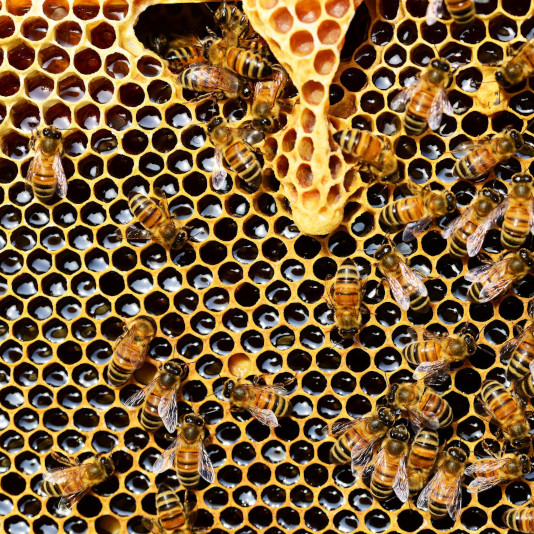
Bees have to fly a total of 50,000 miles (80,000 km) to gather enough honey for one 16-ounce (1/2-liter) jar.

10 Fascinating Honeybee Facts

  • The Waggle Dance: Bees communicate the exact direction, distance, and quality of food sources to their hive mates by performing a figure-eight “waggle dance” inside the dark hive.
  • Hexagonal Efficiency: Honeycombs are built using precise hexagonal geometry, which provides the maximum volume of storage while using the minimum amount of wax structural support.
  • Cold Weather Heating: Honeybees don’t hibernate in winter. Instead, they form a tight cluster around the queen and vibrate their wing muscles to keep the center of the swarm at a steady 93°F (34°C).
  • Superhuman Vision: Bees see colors in the ultraviolet spectrum, allowing them to spot hidden “bullseye” patterns on flower petals that point directly to nectar deposits.
  • Distinct Caste Roles: A worker bee’s job changes with age: she starts as a cleaner, moves on to nursery care and comb building, guards the hive entrance, and finally becomes a field speller/forager.
  • Royal Jelly Transformation: Any female bee larvae can become a queen; potential queens are fed exclusively on a nutrient-rich substance called “royal jelly,” which triggers the development of their reproductive organs.
  • Extreme Speed & Wing Beats: A honeybee flaps its wings roughly 230 times per second, creating their characteristic buzz, and can fly at speeds up to 15 to 20 miles per hour.
  • Short-Lived Males: Male bees (drones) exist solely to mate with a queen from another hive. They have no stingers, do not forage, and are kicked out of the hive to starve before winter to conserve stores.
  • Complex Brain Navigation: Despite having a brain the size of a sesame seed, honeybees can navigate using the sun as a compass, even on overcast days, by detecting polarized light.
  • Endless Shelf Life: Honey is so low in moisture and high in acidity that bacteria and micro-organisms cannot grow in it. Sealed honey found in ancient Egyptian tombs remains completely edible after thousands of years.

The waggle dance has been fully decoded.

Austrian ethologist Karl von Frisch first decoded the meaning of the dance in the 1940s. His breakthrough proved that bees use a symbolic language to communicate precise coordinates, earning him the Nobel Prize in Physiology or Medicine in 1973.

The dance functions as a polar coordinate map that breaks down into three key elements:

  • Direction (The Angle): The angle of the bee’s straight “waggle run” relative to vertical gravity matches the exact angle between the sun’s position and the food source outdoors.
  • Distance (The Duration): The length of time the bee waggles her abdomen during the straight run communicates the distance. Roughly 1 second of waggling equals about 750 meters (nearly half a mile).
  • Quality (The Intensity): The vigor and repetition rate of the dance signal the richness and sugar concentration of the nectar.

Modern Advances in Decoding

In recent years, researchers at institutions like Sussex University and Virginia Tech have refined von Frisch’s work. By using high-speed cameras, AI computer vision, and machine learning models, scientists can now automatically decode thousands of dances in real-time.

Ecologists use decoded dances as biological monitoring tools, mapping where bees forage across different seasons to identify nectar shortages and decide where to plant more flowers to support declining pollinator populations.

Posted on — Leave a comment

Worst Assumption about Mental Capacity and Women

Male human brains are about 10 percent heavier than female brains.

Across large-scale population studies and autopsy data, adult male human brains weigh roughly 10% to 12% more than adult female human brains:

Average Adult Male Brain: ~1,335 to 1,375 grams (~2.95 lbs)

Average Adult Female Brain: ~1,200 to 1,250 grams (~2.65 lbs)

Key Context:

Body Size Proportions: This absolute difference in weight is almost entirely driven by general differences in total body size and height between sexes. Larger bodies require larger neural structures to manage basic motor and sensory functions.

No Impact on Intelligence:

Absolute brain size within a species does not correlate with cognitive ability or intelligence. Female brains offset the mass difference with higher neuronal density in certain areas, higher proportions of gray matter relative to white matter, and greater cortical thickness.

Even the smallest brains can be remarkably complex and effective. Think of an ant. They can coordinate six legs, make decisions about where to go based on scent and other factors, know how to carry food back to the colony, and do all the things ants need to do, yet their brains are tiny specks.

Posted on — Leave a comment

Growing Disgust

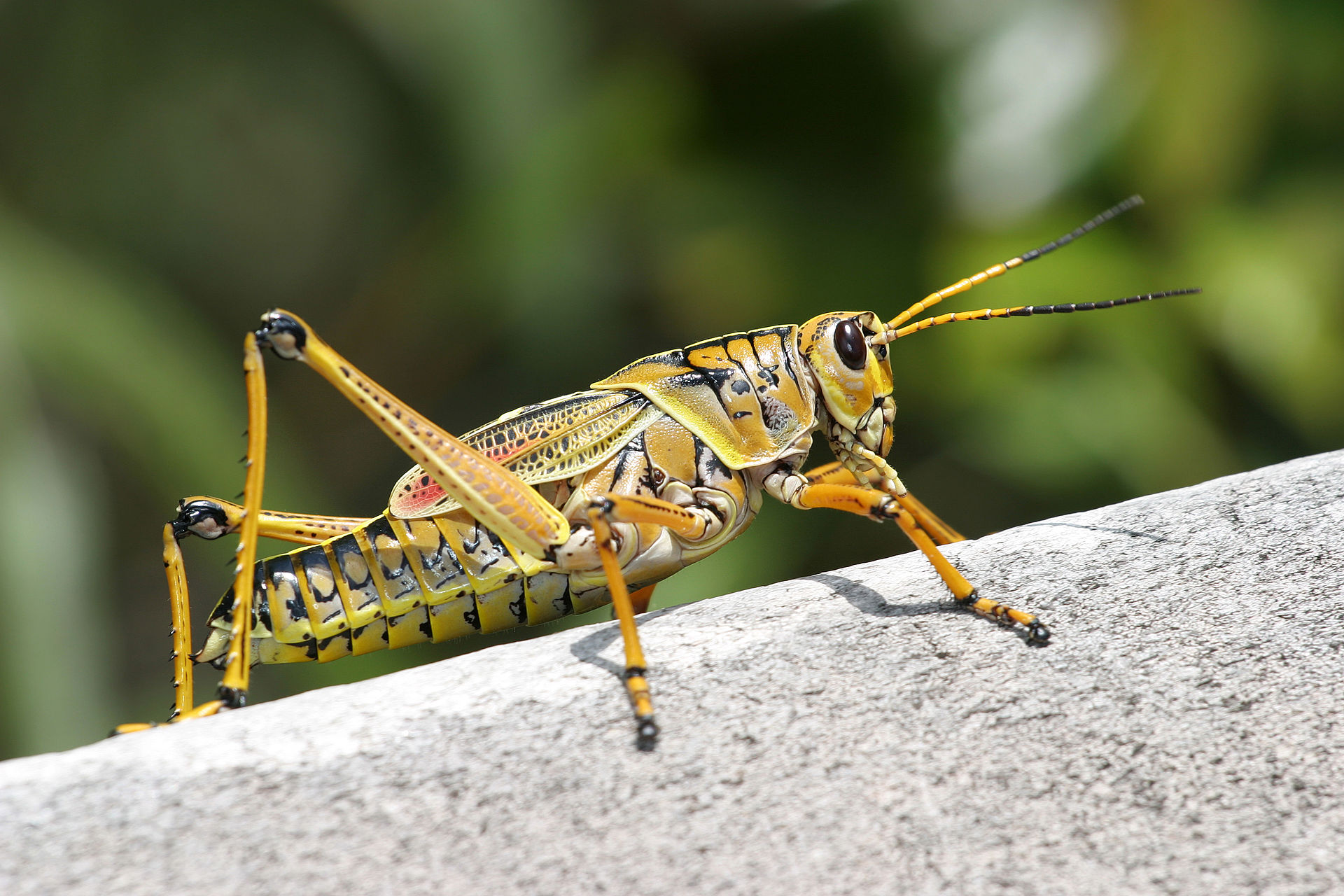
Infants are born without the emotion of disgust. It does not fully develop until age seven. As everyone knows children at age two will put everything in their mouths. Researchers put grasshoppers into milk glasses and offered them to five-year-olds. The kids took the grasshoppers out and drank the milk. By age seven, the kids understood the concept of contamination, and would not drink the milk.

The foundational research in this area was conducted by psychologist Dr. Paul Rozin and his colleagues at the University of Pennsylvania. Their experiments revealed key patterns in how disgust develops:

Inborn vs. Acquired Responses: Infants are born with a taste rejection for bitter or sour substances (distaste), but they do not have an innate sense of disgust—which is a culturally learned, higher-level cognitive emotion. Infants and young toddlers under age two frequently explore their environment by putting almost anything into their mouths, including insects, animal feces, and non-edible items.

The Contamination Principle: In developmental studies testing the concept of contagion, researchers presented young children with a favorite beverage (such as milk or juice) that had come into brief contact with a disgust-eliciting object (like a grasshopper, comb, or sterile hair).

Age Differences: Children under age five or six routinely removed the insect or object from the drink and happily drank the remaining liquid, seeing it as completely separate. They did not yet grasp the invisible concept of trace contamination (“once in contact, always in contact”).

Development Around Age Seven: It is typically between the ages of 5 and 7 that children fully acquire sensitivity to trace contamination. By around age seven, most children will refuse to drink a beverage if it has touched an offensive object—even after the object is completely removed.

Posted on — Leave a comment

Worst Lifespans

See also: Catversity, the free online cat university and entertainment sub-site.

Average Lifespans of Animals

Tortoise = 350 years

Clam = 150 years

Whale = 100 years

Eagle = 100 years

Elephant = 100 years

Crocodile = 300 years

Lion = 40 years

Horse = 30 years

Pig = 25 years

Cow = 25 years

Pigeon = 20 years

Here is Where it Becomes Unfortunate

Cat (kept indoors) = 17 years

Cat (outdoor) = 2 years

Dog = 11 years

Rabbit = 5 years

Rat = 2 years

Mouse (domestic) = 2 years

Mouse (wild) = Less than 1 year

Housefly = 15 – 30 days

Mayfly = 3 to 72 hours

Posted on — Leave a comment

Worst Way of Eating

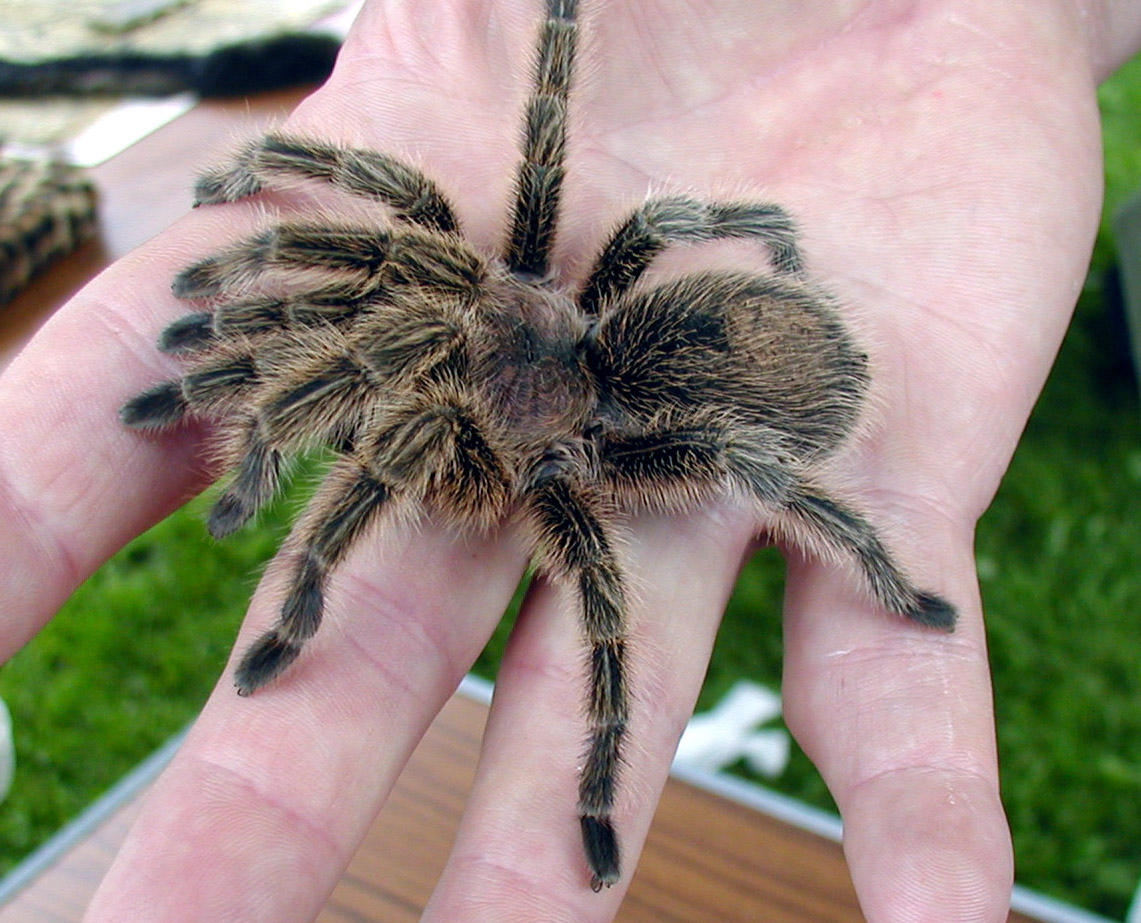
Spiders inject their victims with a chemical that dissolves them. Then the spiders drink their lunch with their mouths which are soda straw-like. A tarantula can totally liquefy a mouse.

More Unexpected Information About Spiders

Some Spiders Cartwheel Away from Danger

The golden wheel spider (Carparachne aureoflava) of the Namib Desert escapes predatory pompilid wasps by flipping on its side, curling its legs, and cartwheel-rolling down sand dunes at speeds of up to 44 turns per second.

They Eat Their Own Webs to Recycle Silk

Spider silk is made of complex protein chains that require significant energy to produce. To conserve resources, many orb-weaver spiders tear down their webs every night and eat the silk, digesting the amino acids to spin brand-new webs the next day.

Vegetarian Spiders Actually Exist

Out of over 50,000 known spider species, Bagheera kiplingi—a species of jumping spider found in Central America—is almost entirely vegetarian. Up to 90% of its diet consists of specialized nutrient-rich buds (Beltian bodies) harvested from acacia trees.

They Hydraulic-Pump Their Legs Instead of Using Muscles

Spiders don’t use opposing muscle pairs to extend their legs like mammals do. Instead, they rely on a hydraulic system, pumping hemolymph (blood) into their limbs to force them outward. When a spider dies, its hydraulic system loses pressure, causing its legs to curl inward.

Sub-Aquatic Spiders Live Underwater in Air Bubbles

The diving bell spider (Argyroneta aquatica) spends almost its entire life under freshwater lakes and ponds. It spins a bell-shaped silk web underwater and traps air bubbles from the surface, creating an aquatic “diving bell” that functions like an artificial gill to absorb oxygen from the surrounding water.

Some Spiders Mimic Ants to Avoid Being Eaten

Myrmecarachne jumping spiders use myrmecomorphy (ant mimicry) to deter predators like birds and wasps, which usually avoid aggressive, bad-tasting ants. These spiders hold their front two legs in the air to resemble ant antennae and walk in frantic, ant-like zig-zags.

The Huntsman Spider Can Creep Through Cardboard-Thin Gaps

Despite having a leg span reaching up to 12 inches (30 cm), giant huntsman spiders have uniquely flattened bodies and specialized hip joints. This allows their legs to extend sideways rather than vertically, enabling them to squeeze into crevices no thicker than a coin.

Their Blood is Blue

Unlike human blood, which uses iron-based hemoglobin to transport oxygen and turns red, spider blood uses a copper-based protein called hemocyanin. When exposed to oxygen, spider blood turns a pale translucent blue.

Peacock Spiders Perform Elaborate Dance Routines

Male peacock spiders (Maratus) engage in intricate courtship displays that rival tropical birds. They raise their iridescent, colorful abdominal flaps, wave their legs in complex patterns, and vibrate their bodies in rhythmic beats to court females—who will promptly eat them if the dance isn’t impressive enough.

Spider Silk Is Stronger Than Steel and Tougher Than Kevlar

Weight for weight, dragline spider silk is roughly five times stronger than high-grade steel and significantly tougher than Kevlar. It can stretch to over 30% of its length without snapping, allowing it to absorb high-impact energy without breaking.