Posted on — Leave a comment

Worst Car Mechanic


Most raccoons don’t have much knowledge of automotive technology, but this one seems to know exactly what he’s doing.

Raccoons are clever, adaptable little bandits with ringed tails and a reputation for opening anything that looks like it might contain snacks. Here are 30 fascinating facts about the animal known as the Raccoon.

🦝 Biology and Behavior

The scientific name of the raccoon is Procyon lotor, which roughly means “washer dog.” Early observers thought raccoons looked like they were washing their food.

That “washing” behavior isn’t really cleaning. Raccoons are actually increasing the sensitivity of their paws by wetting them.

A raccoon’s front paws are extremely sensitive and contain thousands of nerve endings, almost like human fingertips.

They can identify objects by touch alone even without seeing them.

Raccoons are mostly nocturnal, meaning they are active mainly at night.

Their famous black facial mask helps reduce glare and improve night vision, similar to the eye-black used by athletes.

An adult raccoon typically weighs 10–20 pounds (5 – 9 kg), though some urban raccoons can grow much larger thanks to abundant food.

Raccoons have excellent climbing ability and can descend trees headfirst by rotating their hind feet.

They are very intelligent animals, ranking among the smartest mammals after primates and dolphins in some tests.

Raccoons have been shown to remember solutions to puzzles for up to three years.

đź§  Intelligence and Problem Solving

In experiments, raccoons have been able to pick locks, unlatch cages, and solve multi-step puzzles.

Some researchers say raccoon intelligence is comparable to monkeys in certain tasks.

They can open jars, doors, coolers, and trash can lids, which is why they are famous neighborhood “garbage burglars.”

Raccoons learn by trial and error and quickly adapt to new situations.

Mothers teach their young how to forage and solve problems.

🌎 Habitat and Range

Raccoons are native to North America, but humans have introduced them to parts of Europe and Japan.

They thrive in cities and suburbs, often living in attics, chimneys, sewers, and abandoned buildings.

Urban raccoons can have smaller territories because food is plentiful.

They are excellent swimmers and often hunt along rivers, lakes, and wetlands.

Raccoons can survive in climates ranging from Canada’s forests to tropical regions.

🍎 Diet

Raccoons are omnivores, meaning they eat both plants and animals.

Their diet can include fruit, nuts, insects, frogs, fish, eggs, corn, and garbage.

They especially love sweet corn and ripe fruit.

In cities they frequently raid trash cans, pet food bowls, and bird feeders.

đź‘¶ Life and Social Behavior

Baby raccoons are called kits or cubs.

A typical litter contains 2–5 babies.

The babies are born blind and helpless and stay with their mother for about a year.

Female raccoons are usually more social than males, sometimes sharing territory with relatives.

🦝 Fun and Unusual Facts

A raccoon’s ringed tail helps with balance when climbing and may also be used for communication.

Despite their mischievous reputation, raccoons play an important role in ecosystems by spreading seeds and controlling insects and small animals.
Posted on — Leave a comment

Most Underappreciated Food

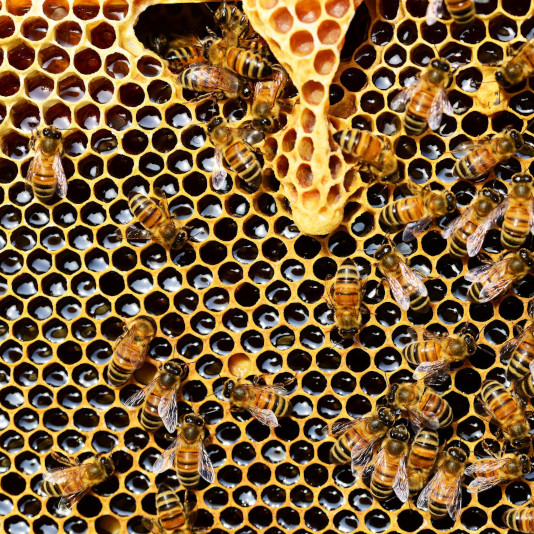
Bees have to fly a total of 50,000 miles (80,000 km) to gather enough honey for one 16-ounce (1/2-liter) jar.

10 Fascinating Honeybee Facts

  • The Waggle Dance: Bees communicate the exact direction, distance, and quality of food sources to their hive mates by performing a figure-eight “waggle dance” inside the dark hive.
  • Hexagonal Efficiency: Honeycombs are built using precise hexagonal geometry, which provides the maximum volume of storage while using the minimum amount of wax structural support.
  • Cold Weather Heating: Honeybees don’t hibernate in winter. Instead, they form a tight cluster around the queen and vibrate their wing muscles to keep the center of the swarm at a steady 93°F (34°C).
  • Superhuman Vision: Bees see colors in the ultraviolet spectrum, allowing them to spot hidden “bullseye” patterns on flower petals that point directly to nectar deposits.
  • Distinct Caste Roles: A worker bee’s job changes with age: she starts as a cleaner, moves on to nursery care and comb building, guards the hive entrance, and finally becomes a field speller/forager.
  • Royal Jelly Transformation: Any female bee larvae can become a queen; potential queens are fed exclusively on a nutrient-rich substance called “royal jelly,” which triggers the development of their reproductive organs.
  • Extreme Speed & Wing Beats: A honeybee flaps its wings roughly 230 times per second, creating their characteristic buzz, and can fly at speeds up to 15 to 20 miles per hour.
  • Short-Lived Males: Male bees (drones) exist solely to mate with a queen from another hive. They have no stingers, do not forage, and are kicked out of the hive to starve before winter to conserve stores.
  • Complex Brain Navigation: Despite having a brain the size of a sesame seed, honeybees can navigate using the sun as a compass, even on overcast days, by detecting polarized light.
  • Endless Shelf Life: Honey is so low in moisture and high in acidity that bacteria and micro-organisms cannot grow in it. Sealed honey found in ancient Egyptian tombs remains completely edible after thousands of years.

The waggle dance has been fully decoded.

Austrian ethologist Karl von Frisch first decoded the meaning of the dance in the 1940s. His breakthrough proved that bees use a symbolic language to communicate precise coordinates, earning him the Nobel Prize in Physiology or Medicine in 1973.

The dance functions as a polar coordinate map that breaks down into three key elements:

  • Direction (The Angle): The angle of the bee’s straight “waggle run” relative to vertical gravity matches the exact angle between the sun’s position and the food source outdoors.
  • Distance (The Duration): The length of time the bee waggles her abdomen during the straight run communicates the distance. Roughly 1 second of waggling equals about 750 meters (nearly half a mile).
  • Quality (The Intensity): The vigor and repetition rate of the dance signal the richness and sugar concentration of the nectar.

Modern Advances in Decoding

In recent years, researchers at institutions like Sussex University and Virginia Tech have refined von Frisch’s work. By using high-speed cameras, AI computer vision, and machine learning models, scientists can now automatically decode thousands of dances in real-time.

Ecologists use decoded dances as biological monitoring tools, mapping where bees forage across different seasons to identify nectar shortages and decide where to plant more flowers to support declining pollinator populations.

Posted on — Leave a comment

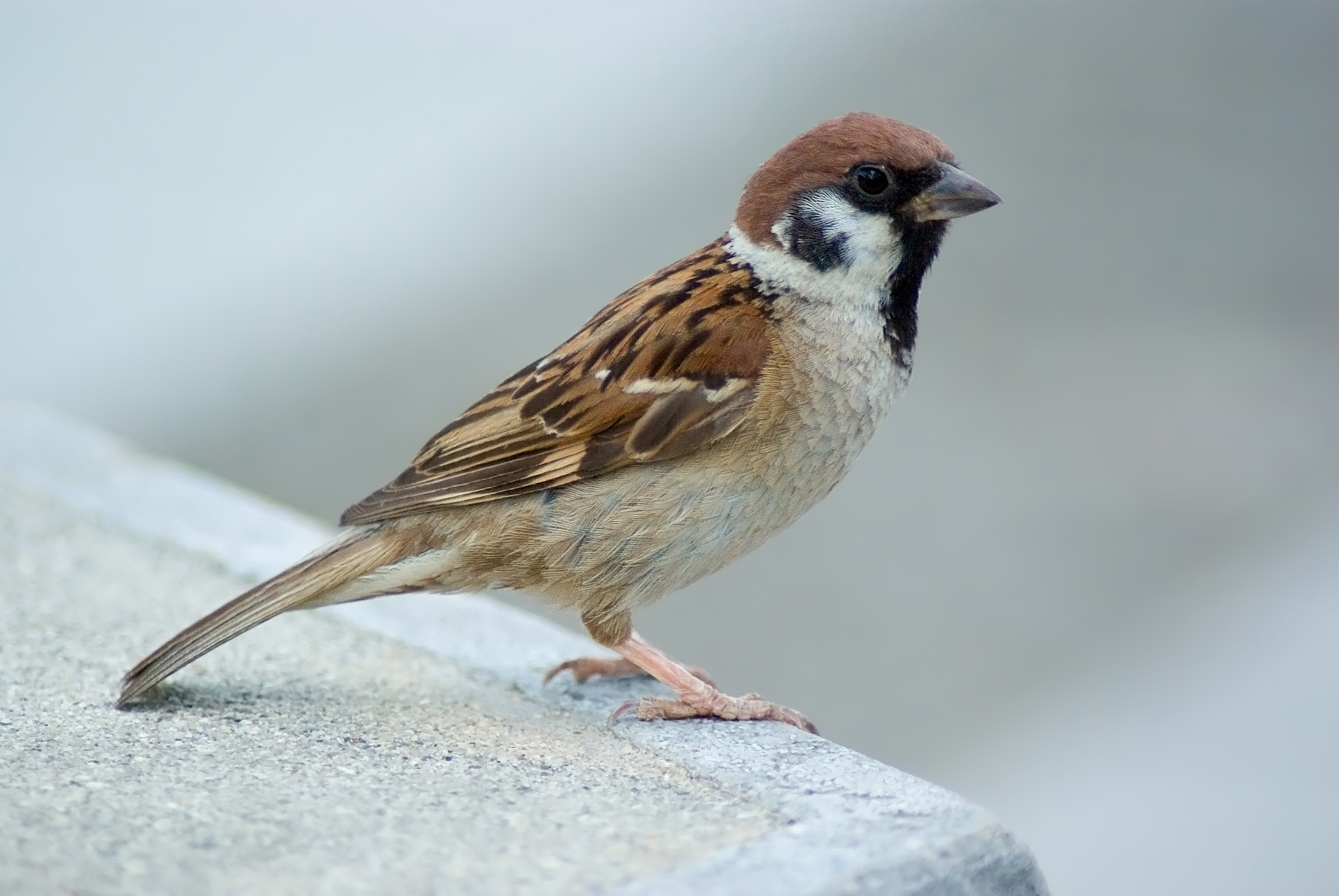
Worst Way to Market a Sparrow

In Harper Woods, Michigan, it is against the law to paint a sparrow and claim it’s a parakeet.

Facts About Sparrows

  1. Global Presence: Sparrows are found on almost every continent in the world, except for Antarctica. They are one of the most widespread and adaptable bird species on Earth.
  2. Fast Fliers: Despite their small size, house sparrows usually fly at a speed of around 24 miles per hour (38 km/h). When necessary, they can reach speeds up to 31 miles per hour (50 km/h)!
  3. Dust and Water Baths: Sparrows love to keep clean by taking water baths, but they are also famous for taking “dust baths.” They dig small holes in dry soil and throw dirt over their feathers to clean off parasites.
  4. Highly Social Birds: Sparrows are very gregarious and live in colonies. They nest, forage, and protect themselves together, often communicating using a wide variety of chirps and calls.
  5. Close Relationship with Humans: House sparrows (Passer domesticus) have evolved alongside humans for thousands of years. They rarely inhabit dense forests or deserts, preferring urban, suburban, and agricultural areas near human settlements.
  6. Adaptable Diet: While their natural diet consists mostly of seeds, grains, and insects, sparrows are opportunistic eaters. In urban environments, they easily adapt to eating food scraps left behind by humans.
  7. High Heart Rate: Sparrows have a incredibly fast metabolism. When a sparrow is at rest, its heart beats around 460 to 800 times per minute, which can spike even higher during flight or stress. By comparison human hearts usually beat at around 50 to 90 beats per minute.
  8. Faithful Partners: Many sparrow species are monogamous and tend to pair for life. Both male and female parents actively share responsibilities like building the nest, incubating eggs, and feeding the chicks.
  9. Non-Migratory (Mostly): Most sparrow species do not migrate long distances for winter. Instead, they stay in the same general region year-round, braving the cold by fluffing up their feathers to trap warm air.
  10. Symbolic Meaning: Throughout history, sparrows have held cultural significance. In ancient Greece, they were associated with Aphrodite, the goddess of love, symbolizing devotion and connection. In other cultures, they represent protection, joy, and simplicity.
Posted on — Leave a comment

Most Repulsive Bird

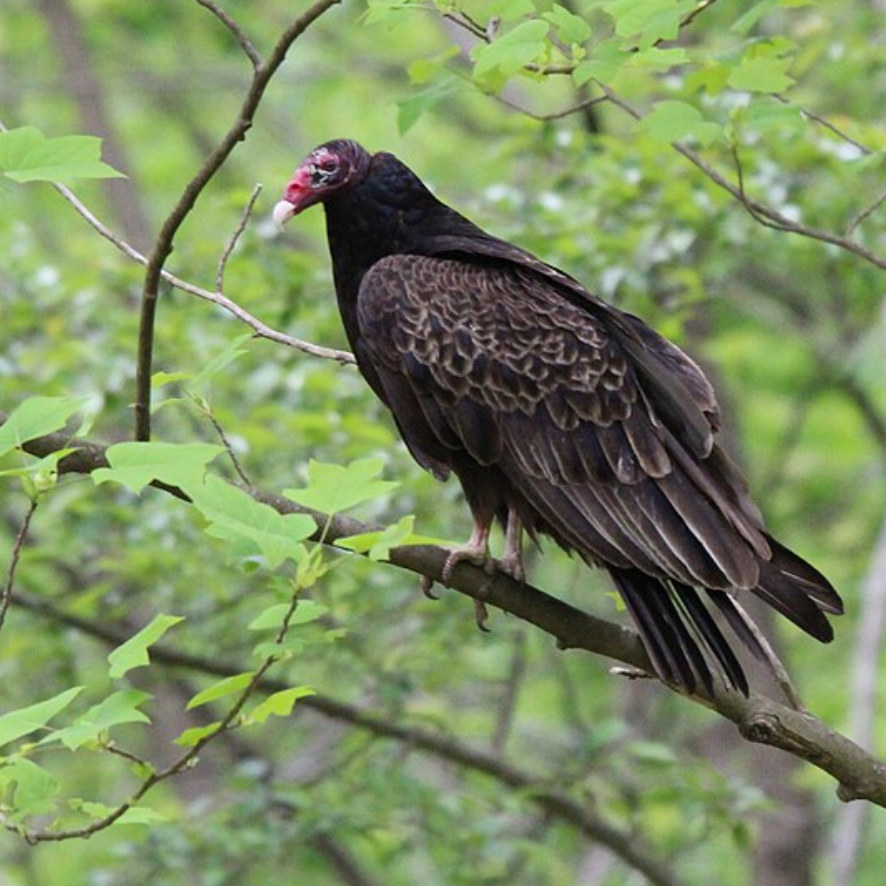
The turkey vulture is a bird that repels threatening animals in a unique way. The bird throws up in the enemy’s face. Its primary defense mechanism is projectile vomiting.

Why It Works

Foul Odor & Acid: Because turkey vultures feed on carrion (decaying meat), their stomach contents smell exceptionally foul. Additionally, their stomach acid is extremely strong and corrosive—enough to burn the eyes and face of an attacking predator.

Distance: They can shoot their vomit up to 10 feet (3 meters) away, aiming directly at the aggressor.

Escape Weight: Vomiting serves a dual purpose. Clearing their heavy stomach allows the vulture to lighten its weight quickly so it can take off into the air and escape faster.

Posted on — Leave a comment

Worst Warning to Ignore

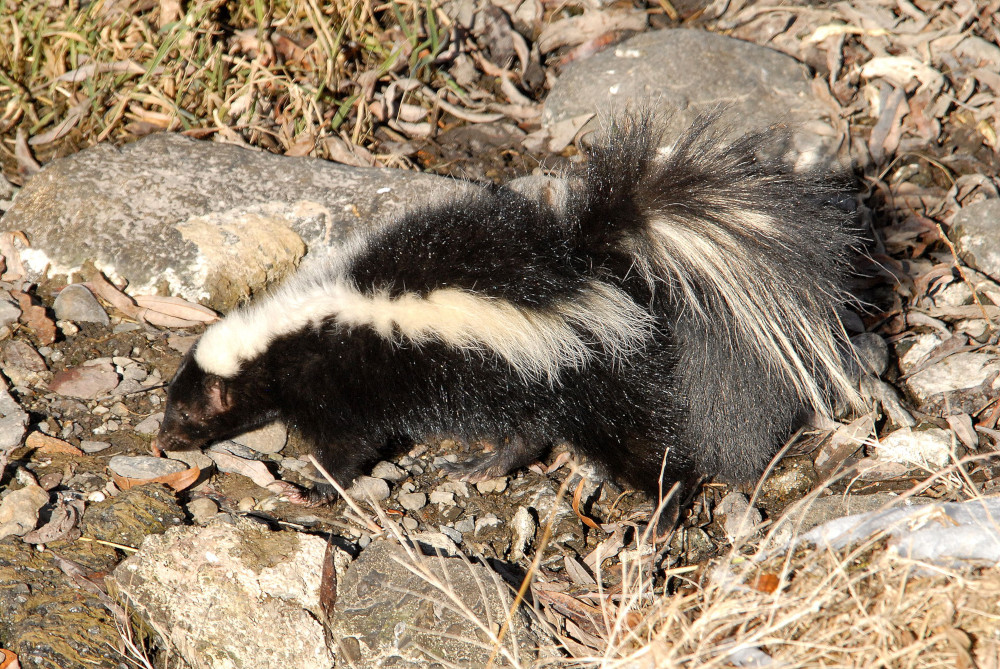
If there is time, a skunk will warn you before spraying. The warning has two phases. First the skunk pats his front feet on the ground several times. Then he shakes his head from side to side. He may even raise his tail and hiss. If you aren’t gone by then, too bad!

Skunk Facts

Their Spray Can Reach Up to 10 Feet Away

Skunks release their foul-smelling liquid from two glands under their tail with impressive precision. They can accurately target an intruder’s face from 10 feet away, and the scent can be detected by humans up to a mile downwind.

They Use Their Spray as a Last Resort

Skunks only carry about 5 to 6 tablespoons of spray (thiols) at a time, and it takes up to a week to replenish a depleted supply. Because leaving themselves defenseless is risky, they will give fair warnings first.

They Are Immune to Snake Venom

Skunks are natural predators of snakes, including poisonous species like rattlesnakes and copperheads. They possess a natural immunity to snake venom, allowing them to hunt and eat venomous snakes without harm.

Great Horned Owls Are Their Primary Predator

Most mammals quickly learn to give skunks a wide berth, but Great Horned Owls are an exception. Like most birds, owls have an exceptionally weak sense of smell, making skunks one of their favorite primary food sources.

Tomato Juice Doesn’t Neutralize the Odor

The popular urban legend that tomato juice removes skunk scent is false; it merely masks the smell temporarily by overwhelming your nose (olfactory fatigue). To chemically neutralize the sulfur-based thiols, a mixture of hydrogen peroxide, baking soda, and dish soap is required to oxidize the chemical compound.

They Have Terrible Eyesight

A skunk’s vision is extremely poor—they can barely see objects more than 10 feet ahead of them. This poor eyesight, combined with their instinct to stand their ground rather than flee, is the primary reason so many skunks are struck by cars on highways.

They Are Natural Pest Controllers

Skunks are opportunistic omnivores whose diet consists heavily of insects. They spend their nights digging up grubs, beetles, wasps, scorpions, and garden pests, making them highly beneficial for local ecosystems and agriculture.

Spotted Skunks Do Handstands to Threaten Predators

While striped skunks simply arch their backs and stomp, the smaller Western and Eastern spotted skunks perform an elaborate acrobatic handstand on their front paws to look larger and aim their scent glands directly at a predator before spraying.

They Belong to Their Own Unique Family

For a long time, skunks were classified in the weasel family (Mustelidae). However, genetic research in the late 1990s revealed they are distinct enough to warrant their own separate family, Mephitidae, which translates from Latin to “foul stench.”

They Don’t Formally Hibernate

During severe winter cold, skunks enter a state of torpor—lowering their body temperature and sleeping for long stretches—rather than true hibernation. To stay warm, females often huddle together in shared underground dens, while males typically remain solitary.

Posted on — Leave a comment

Worst Excuse for a Horse

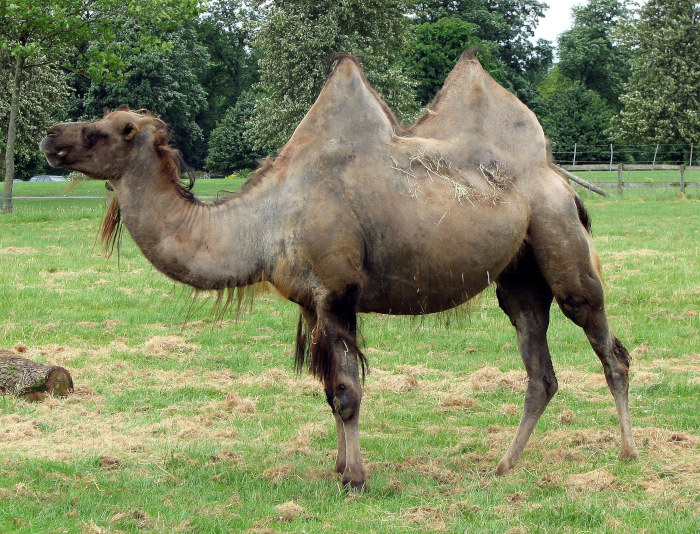
If it had not been for the Civil War, the United States Cavalry might have been riding camels. Shortly before the war, Secretary of War Jefferson Davis imported 81 camels for testing in Texas. There were some problems. Ordinary horses were terrified of the camels, and so were many of the soldiers. On the other hand, in some ways the camels were excellent. They could go for several days without water, they could carry a half-ton, and walk 40 miles a day. The military was generally impressed and were ready to start switching to camels in large numbers, but then the war developed and there was no time to deal with camel importation.

Interesting Camel Facts

They Have Three Eyelids and Two Rows of Lashes

Camels have a clear inner eyelid (a nictitating membrane) that wipes away sand while allowing them to see in a sandstorm. Their double-layered, long eyelashes form a natural shield against windblown dust.

They Store Fat, Not Water, in Their Humps

A common myth is that hump storage holds water. Humps actually store energy-dense fat. Concentrating fat in one place prevents it from insulating their entire body, allowing heat to escape more efficiently. When the fat metabolizes, it yields both energy and over a gram of water per gram of fat.

They Can Guzzle 30 Gallons of Water in 13 Minutes

When dehydrated, a camel can drink up to 30 gallons (113 liters) of water in under 15 minutes. Their oval-shaped red blood cells can expand up to 240% of their normal volume without bursting to accommodate rapid hydration.

Their Nostrils Act Like a Dehumidifier

Camels can trap moist air from their breath and absorb the moisture back into their nasal membranes before exhaling dry air, minimizing water loss simply by breathing. They can also lock their nostrils completely shut during sandstorms.

They Have Built-in Kneepads

Camels are born with thick, leathery patches of skin on their knees and chest called carpal pads. These pads protect their body from burning on scorching desert sand when kneeling.

They Are Native to North America

The evolutionary ancestors of modern camels originated in North America around 40 to 50 million years ago. They crossed the Bering land bridge into Asia and South America (evolving into llamas and alpacas) before dying out in North America around 10,000 to 12,000 years ago.

Their Blood Cells Are Unique Among Mammals

Unlike other mammals, which have round red blood cells, camels have oval-shaped cells. This unique shape allows their blood to flow smoothly even when it becomes thick due to severe dehydration.

They Waste Virtually No Water

A camel’s kidneys extract maximum water from urine, leaving behind a thick, syrupy liquid with a salt concentration higher than seawater. Their feces are so dry that nomadic tribes use them directly as campfire fuel without needing to dry them first.

They Have Rigid Mouth Interiors for Eating Thorns

The inside of a camel’s mouth is lined with tough, cone-shaped structures called papillae. This keratinized lining lets them chew straight through sharp desert thorns, cacti, and wooden twigs without pain.

They Can Regulate Their Own Body Temperature

Instead of sweating constantly, a camel allows its body temperature to fluctuate by as much as 11°F (6°C) throughout the day—rising during the hot afternoon and cooling at night—saving massive amounts of sweat and water.

Posted on — Leave a comment

Worst Kind of Sweat

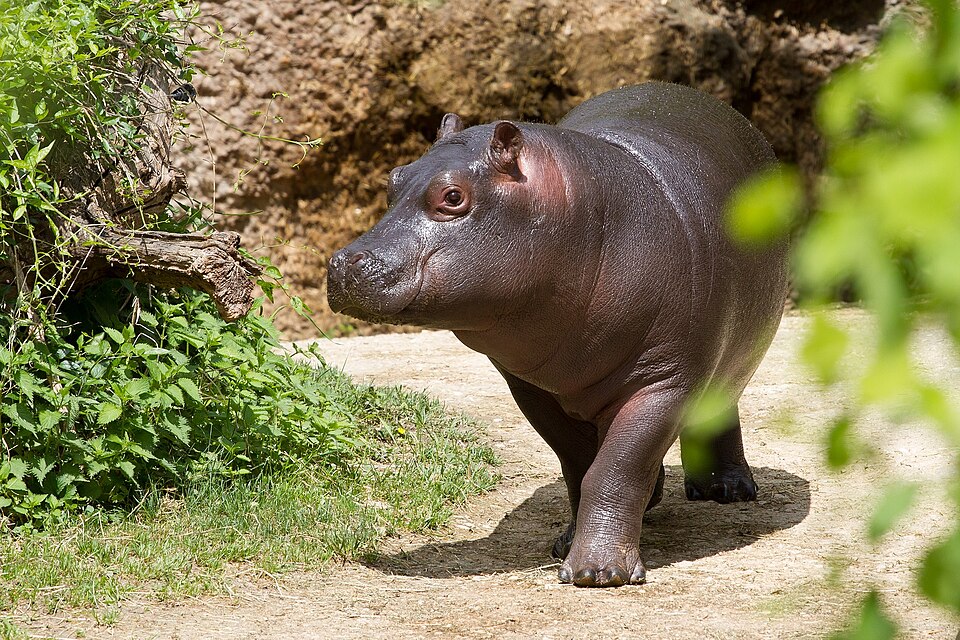
When hippos sweat, their sweat is red.

Hippos secrete a thick, reddish-pink fluid often called “blood sweat.” It isn’t actually blood or sweat, but a combination of hipposudoric acid and norhipposudoric acid. This pigment acts as a natural sunscreen, moisturizes their skin, and doubles as a powerful antibacterial agent.

The skin of a hippopotamus is an one-and-a-half inches (3.8 cm) thick and nearly bulletproof.

They Can’t Actually Swim or Float

Despite spending most of their lives in water, hippos are too dense to float or swim. Instead, they sink to the bottom and move around by bouncing off the riverbed or walking along the underwater floor.

They Breathe Automatically While Asleep Underwater

Hippos can hold their breath underwater for up to five minutes. When sleeping submerged, their bodies automatically surface, take a breath, and sink back down without ever waking them up.

Their Closest Living Relatives Are Whales and Dolphins

Although they resemble giant pigs, hippos are genetically far closer to cetaceans (whales, dolphins, and porpoises). Their common ancestor split into land-based hippos and aquatic cetaceans roughly 55 million years ago.

They Use “Fecal Deflection” to Mark Their Territory

To mark their territory, a male hippo will spin its paddle-like tail rapidly while defecating. This sprays feces over a wide area, signaling ownership of a stretch of water or riverbank to rival males.

They Have an Explosively Powerful Yawn That Doubles as a Threat

When a hippo opens its mouth wide in what looks like a lazy yawn, it isn’t tired. It is actually displaying its massive, self-sharpening lower canine teeth (which can reach nearly 20 inches in length) to intimidate rivals and establish dominance.

Their Milk Is Bright Pink

While normal hippo milk is white or cream-colored, it often mixes with the reddish hipposudoric acid secreted from their skin while nursing, giving the milk a distinct pink hue.

They Can Outrun Most Humans

Despite weighing up to 4,000 pounds (1,800 kg), hippos can run at speeds of 19 to 30 mph (30 to 48 km/h) over short distances—easily outpacing the fastest human sprinters.

Invasive “Cocaine Hippos” Are Thriving in Colombia

In the late 1980s, drug lord Pablo Escobar imported four hippos to his private estate in Colombia. After his death, the hippos were left to roam free, and their population has ballooned to over 150 individuals, making them the largest invasive land mammal outside of Africa.

They Are Responsible for More Human Deaths in Africa Than Lions

Hippos are fiercely territorial and highly unpredictable. Because of their aggressive nature, powerful jaws, and tendency to charge boats or people getting between them and the water, they kill more humans in Africa each year than lions, leopards, or elephants.

Posted on — Leave a comment

Worst Sibling Rivalry

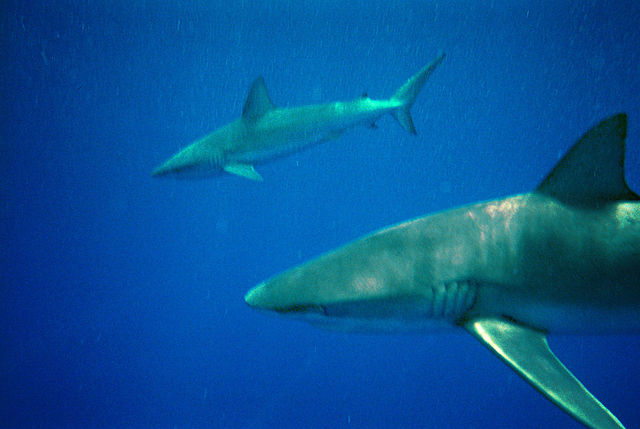
One species of shark is so competitive that the babies fight each other within their mother, until only one is left to be born.

Sharks almost never get cancer. Scientists are studying them to find out why, and whether their protection is adaptable to humans.

Sharks are older than trees.

Sharks have been around for roughly 450 million years, while the first trees appeared about 385 million years ago. Sharks were already swimming in ancient oceans before forests existed.
Some sharks glow in the dark.

Several deep-sea species are bioluminescent or biofluorescent, producing or manipulating light. The cookiecutter shark, for example, has a glowing underside that may help disguise its silhouette from predators below.

Sharks can replace their teeth constantly.

A shark may lose thousands of teeth during its lifetime. New teeth continually move forward from rows behind the functional teeth, creating what amounts to a conveyor belt of dental replacements.

The Greenland shark may live for centuries.

Greenland sharks are among the longest-lived vertebrates known. Scientists have estimated that some can live several hundred years, with one famous estimate suggesting an age of around 400 years.

Sharks can detect electricity.

Special organs called ampullae of Lorenzini allow sharks to detect tiny electrical fields produced by living animals. This can help them locate prey even when it is hidden beneath sand.

A shark’s skin feels like sandpaper.

Shark skin is covered with tiny tooth-like structures called dermal denticles. They make the skin rough and also help reduce drag as the shark moves through water.

Some sharks can walk.

Several species of epaulette shark can use their fins to “walk” across the seafloor and even across shallow exposed areas. They can tolerate remarkably low-oxygen conditions too.

Not all sharks need to keep swimming.

The popular idea that every shark must swim constantly to avoid suffocating is false. Some sharks, such as nurse sharks, can actively pump water over their gills while resting on the seafloor.

The whale shark is a shark, not a whale.

The whale shark is the world’s largest fish and can exceed 40 feet (12 meters). Despite its enormous size, it is a filter feeder that eats plankton and tiny organisms.

Some sharks eat plants.

The bonnethead shark, a small hammerhead relative, has been found to digest and obtain nutrients from seagrass. This makes it one of the few sharks known to have a significant omnivorous diet.

Posted on — Leave a comment

Worst Way to See Only 1/2 of the World

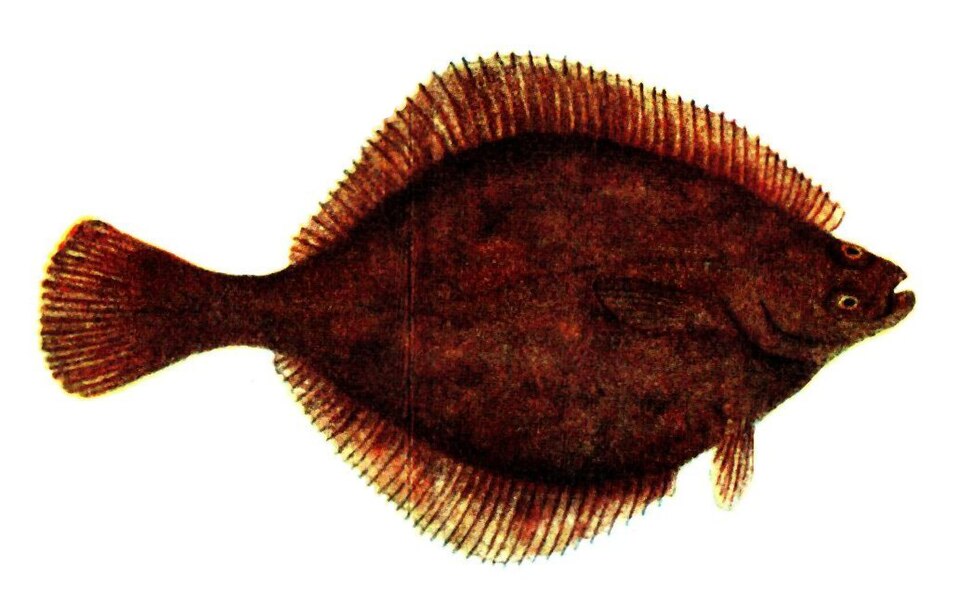
The flounder, a weird, flat fish, has both eyes on one side of its body.

Flounders are wonderfully bizarre fish. They look like someone took a normal fish and then decided to flatten it, rotate its face, and let it live sideways.

10 weird facts about flounders

They are born looking like normal fish.

Baby flounders start life swimming upright, with one eye on each side of their head. During development, one eye gradually migrates across the skull to the other side.
Their skull actually gets rearranged.

The eye doesn’t merely “slide” across the surface. Bones and tissues remodel as the fish develops, producing an adult whose two eyes are on the same side.

They swim sideways for their entire adult lives.

Once transformed, they settle onto the seafloor and swim with their bodies oriented horizontally rather than vertically.

They can be remarkably good at disappearing.

Many flounders can change their coloration and patterns to match the sandy, muddy, or rocky bottom beneath them. Some can even produce surprisingly elaborate patterns.

They sometimes bury themselves completely.

A flounder can wiggle its body and fins to cover itself with sand until essentially only its eyes are visible. It’s the fish equivalent of turning the lights off and pretending nobody’s home.
Both eyes can look upward.

Because both eyes are on the upper-facing side of the body, a resting flounder can watch what is happening above it while lying flat on the bottom.

They can change which side they lie on.

Although particular species usually develop with the eyes on a characteristic side, flounders as a group include both “right-eyed” and “left-eyed” species. The terminology refers to which side bears the eyes when viewed from above.

Their mouths are asymmetrical too.

The bizarre transformation isn’t confined to the eyes. The skull, jaws and other structures become adapted to a life spent lying on one side.

They can see surprisingly well despite looking half-broken.

Their upward-facing eyes are adapted for detecting prey and predators. Their vision is particularly useful for spotting movement above the seafloor.

They are ambush predators.

A flounder can remain motionless on the bottom, camouflaged and partially buried, then suddenly lunge upward and swallow a fish, shrimp, crab or other prey. The attack can be astonishingly fast considering how thoroughly un-athletic the fish looks while sitting there.

Bonus weirdness: Some flounders have been observed changing their body pattern to match different backgrounds. So their camouflage isn’t simply a fixed paint job. Their skin is more like a programmable display.

Posted on — Leave a comment

Worst Way to Become Extinct

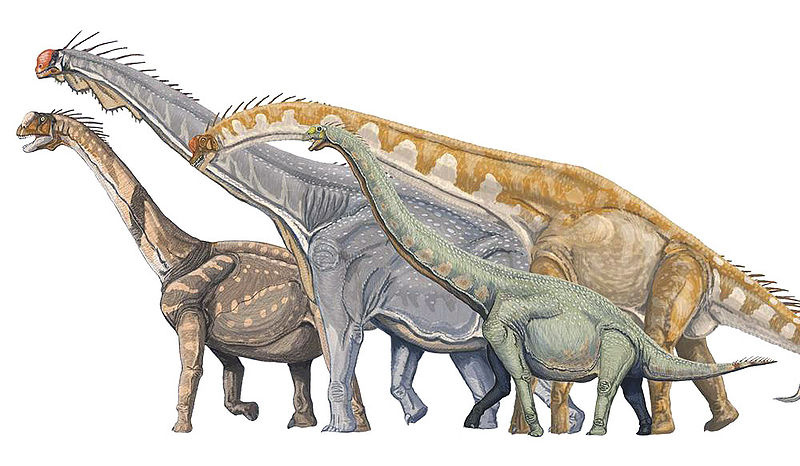
Some dinosaurs had two brains. Since nerve signals move from one part of the body to another relatively slowly – it takes 1/50 of second to notice a pain in your foot – and since these beasts were so large, they had a second brain at the base of the tail to maintain control of the creature’s back legs and tail. Interestingly, the rear brain was bigger than the front brain.


The Largest dinosaur, Brachiosaurus, weighed as much as 800 people, was taller than a four-story hotel, and was as long as two of the longest school buses.


Who says all dinosaurs have died? There is a species of lizard called Komodo Monitor, also known as Komodo Dragon, that can grow to over ten feet long and weigh 365 pounds. Komodo Monitors can eat a pig whole.


Most scientists are now saying that dinosaurs were very unlike lizards. Their legs were usually directly under their bodies, not sticking out from their sides as they are in lizards. Their bone structure was more like that of warm-blooded mammals. Tracks have been found made by of groups of dinosaurs moving together in herds with a spacing and depth of impression indicating sustained high speed, again more a mammalian trait than reptilian.


One theory regarding the extinction of dinosaurs which is gaining some acceptance is that because they were warm-blooded creatures with a high metabolism, they were more susceptible to viruses or bacterial infections than their cold-blooded predecessors. According to one scientist, they might have all died of diarrhea.