Posted on — Leave a comment

Worst Doctor

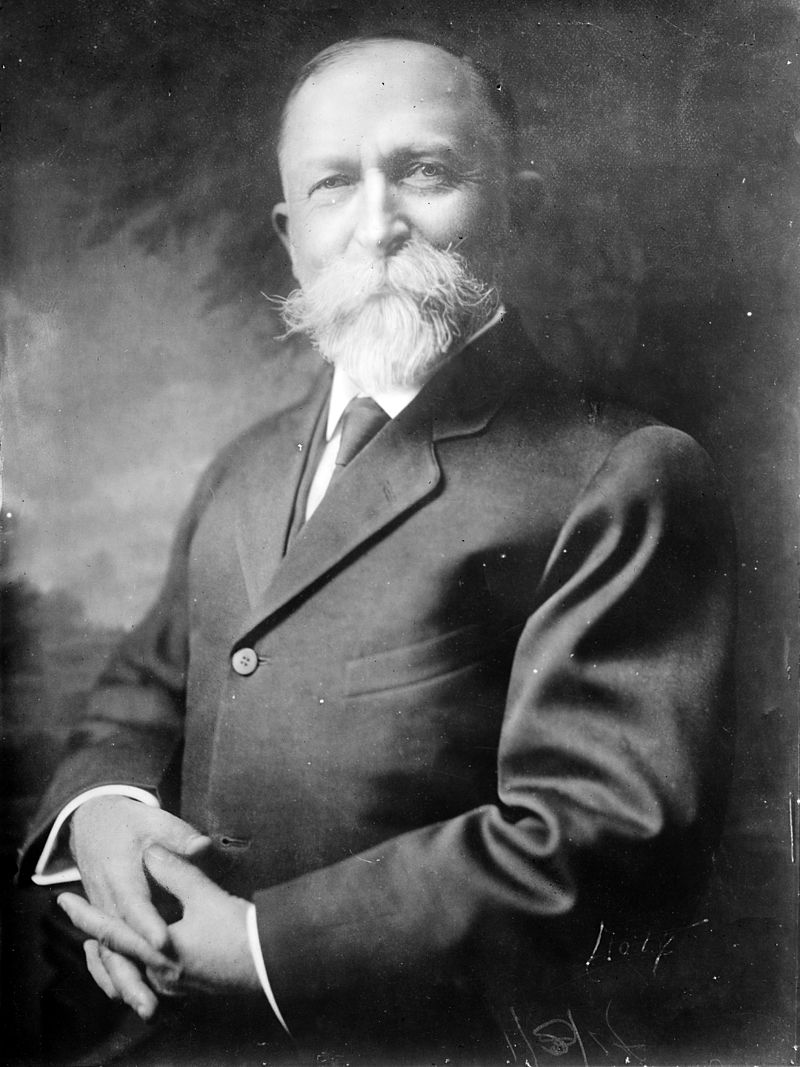
Kellogg’s Corn Flakes was invented as a way to stop children from masturbating. Dr. John Harvey Kellogg felt that bland foods would curb sexual appetite. The theory must have not been quite right, because although a lot of corn flakes were sold, the kids kept doing what kids will do.

Dr. Kellogg was a man obsessed with speaking and acting out against masturbation. In fact, he went much farther than just talking about it. As a medical doctor, he badly abused his power, and young patients, as is evidenced in the following quotes:

“A remedy which is almost always successful in small boys is circumcision, especially when there is any degree of phimosis. The operation should be performed by a surgeon without administering an anesthetic, as the brief pain attending the operation will have a salutary effect upon the mind, especially if it be connected with the idea of punishment, as it may well be in some cases. The soreness which continues for several weeks interrupts the practice, and if it had not previously become too firmly fixed, it may be forgotten and not resumed.”

A method of treatment [to prevent masturbation]: “…and we have employed it with entire satisfaction. It consists in the application of one or more silver sutures in such a way as to prevent erection. The prepuce, or foreskin, is drawn forward over the glans, and the needle to which the wire is attached is passed through from one side to the other. After drawing the wire through, the ends are twisted together, and cut off close. It is now impossible for an erection to occur, and the slight irritation thus produced acts as a most powerful means of overcoming the disposition to resort to the practice.”

Posted on — Leave a comment

Worst Understanding About Male Dreaming

People assume men mostly dream about women. Men dream more often about their male heroes, bosses, friends or role models than about women.

The Unexpected Demographics of Dreams: Why Men Dream About Other Men

When people imagine the secret landscape of the human subconscious, they often picture romantic fantasies, abstract nightmares, or surreal reflections of daily life. Yet decades of quantitative sleep research have revealed a striking, counterintuitive pattern in night-time cognition: when men fall asleep, their dreams are overwhelmingly populated by other men.

Pioneered by psychologists Calvin S. Hall and Robert Van de Castle in the mid-20th century, the systematic coding of dream content has yielded consistent data across diverse cultures. While women’s dreams feature a balanced character ratio—roughly 50 percent male and 50 percent female—men’s dreams tell a vastly different demographic story. Across thousands of studied dream journals, approximately 67 percent of all characters appearing in men’s dreams are male.

Rather than focusing primarily on romantic interests or family members, male dreamers routinely encounter male colleagues, bosses, friends, authority figures, and strangers. However, these nightly appearances are rarely passive. Quantitative dream analysis shows that male-on-male interactions in REM sleep feature a disproportionately high degree of physical aggression, social competition, and status negotiation compared to any other demographic pairing.

Psychologists and evolutionary theorists offer two main explanations for this phenomenon:

  • Social Simulation Theory: Sleep acts as a low-stakes virtual reality environment where the brain rehearses real-world social dynamics. Because men historically navigated complex male-dominated hierarchies—balancing the need for strategic alliances with the threat of physical or social rivalry—the sleeping brain continues to process and simulate these critical dynamics.
  • Threat Mitigation: From an evolutionary perspective, non-kin males represented the single largest potential physical threat to early human survival. The brain’s REM-sleep threat simulation mechanism naturally prioritizes tracking, assessing, and confronting male characters to maintain high readiness for waking life.

Ultimately, dream content reflects the brain’s deepest survival priorities rather than conscious waking desires. Whether facing down an overbearing boss or navigating a competitive arena with male peers, a man’s subconscious mind spends two-thirds of its night focusing on the side of humanity it feels most compelled to understand, outwit, or align with.

Posted on — Leave a comment

Worst Sexual Intercourse

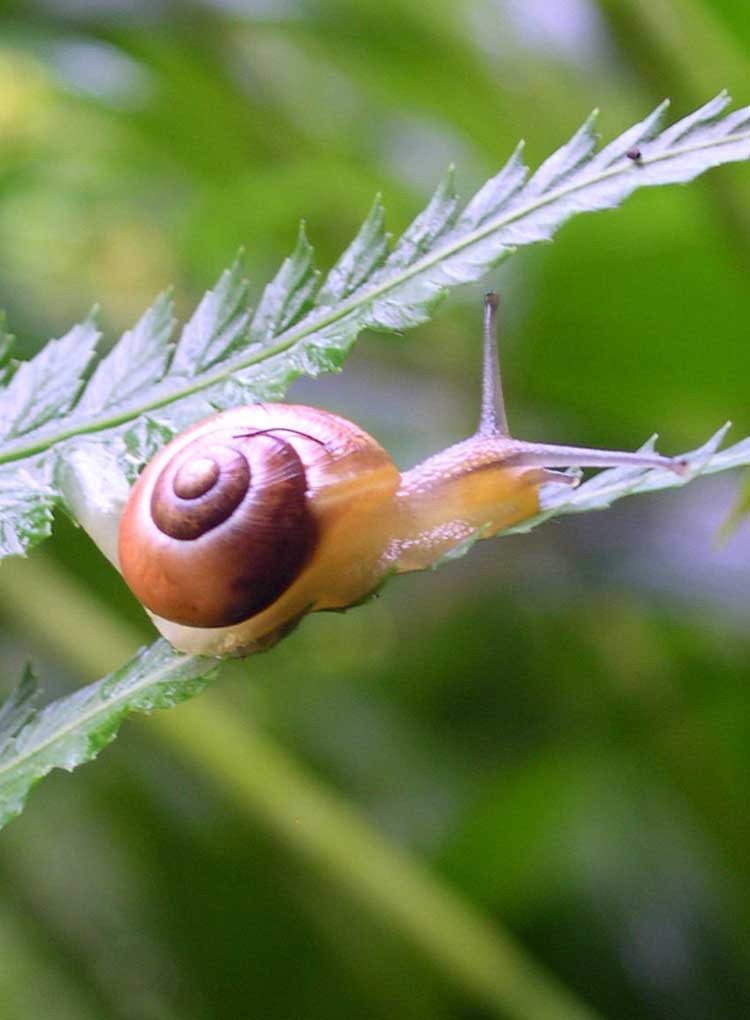
The Secret Weapon of Snail Courtship: Unraveling the Mystery of the Love Dart

In the world of invertebrate biology, few rituals are as dramatically misunderstood as the mating behavior of land snails. Popular folklore often imagines snail reproduction as a solitary, once-in-a-lifetime marathon fueled by natural stimulants. The physical reality, while just as fascinating, operates on an entirely different evolutionary logic: a high-stakes, competitive process centered around a biological tool known as the “love dart.”

Land snails are simultaneous hermaphrodites, meaning every adult individual possesses both male and female reproductive organs. When two snails meet for courtship—a deliberate, multi-hour affair—they engage in a mutual exchange of sperm. However, before sperm transfer occurs, many species deploy a sharp, calcium carbonate needle fired directly into their partner’s body wall.

Contrary to popular myth, this sharp dart does not inject a stimulant designed to heighten arousal or prolong the duration of the encounter. Snail mating sessions naturally stretch across several hours due to their slow metabolism and complex physical alignment, regardless of whether a dart is successfully deployed.

Instead, the love dart acts as a vehicle for a specialized hormonal mucus. In snail reproduction, the recipient’s body routinely digests up to 99% of incoming sperm before it can reach the eggs. The mucus coating on the love dart triggers structural changes within the recipient’s reproductive tract, temporarily shutting down the sperm-digesting organ. By neutralizing this biological defense, the snail firing the dart ensures that a vastly higher percentage of its own sperm survives to fertilize the eggs.

Far from being a rare or singular event, land snails repeat this intricate courtship multiple times throughout their adult lives with various partners. The love dart is not a gift of stimulation, but a sophisticated instrument of sperm competition—proving that even in the slowest corners of the animal kingdom, evolutionary strategy is remarkably sharp.

Posted on — Leave a comment

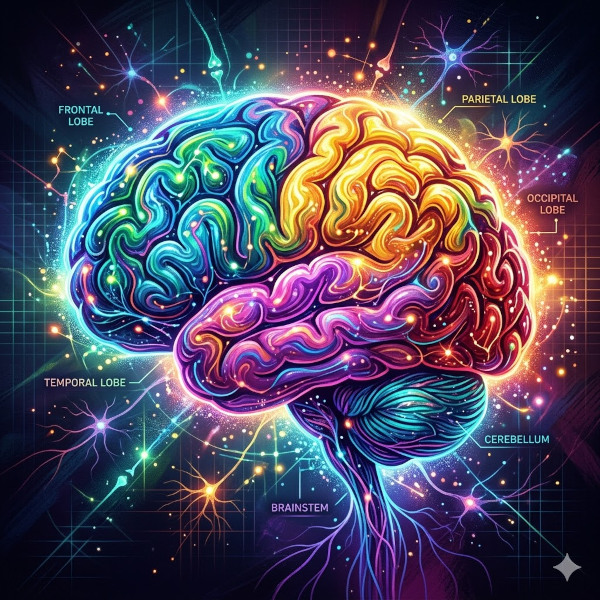
Worst Assumption about Mental Capacity and Women

Male human brains are about 10 percent heavier than female brains.

Across large-scale population studies and autopsy data, adult male human brains weigh roughly 10% to 12% more than adult female human brains:

Average Adult Male Brain: ~1,335 to 1,375 grams (~2.95 lbs)

Average Adult Female Brain: ~1,200 to 1,250 grams (~2.65 lbs)

Key Context:

Body Size Proportions: This absolute difference in weight is almost entirely driven by general differences in total body size and height between sexes. Larger bodies require larger neural structures to manage basic motor and sensory functions.

No Impact on Intelligence:

Absolute brain size within a species does not correlate with cognitive ability or intelligence. Female brains offset the mass difference with higher neuronal density in certain areas, higher proportions of gray matter relative to white matter, and greater cortical thickness.

Even the smallest brains can be remarkably complex and effective. Think of an ant. They can coordinate six legs, make decisions about where to go based on scent and other factors, know how to carry food back to the colony, and do all the things ants need to do, yet their brains are tiny specks.

Posted on — Leave a comment

Worst Chinese Taboo

If you have ever looked at old Chinese art, you will note that they were very free in painting eroticism. However, you will never ever see a naked woman’s foot. In their culture, that would have been incredibly shocking.

The cultural context behind why this was true centers on the history of foot binding in Imperial China (from the Song dynasty through the early 20th century):

The Ultimate Sexual Taboo:

Bound feet (lotus feet) were considered the most intimate and erotic part of a woman’s body. While nudity of the breasts or genitalia was depicted relatively freely in erotic art—known as Chungongtu or “Spring Palace Paintings” — unveiling the bare, unbound foot was strictly taboo.

Depiction in Art:

In traditional Chinese erotica, women are frequently shown fully naked except for their shoes or the fabric wrappings (zubu) around their feet. A man touching, holding, or seeing a woman’s bare foot was considered a deeply explicit act of intimacy.

The Reality of Bound Feet:

Beyond the eroticization, bound feet were severely deformed and bone-broken, often suffering from tissue damage and infection. Keeping the feet wrapped in embroidered silk shoes maintained the fantasy and aesthetic of the “three-inch golden lotus” while concealing the physical reality underneath.

Posted on — Leave a comment

Worst Fashion Trend

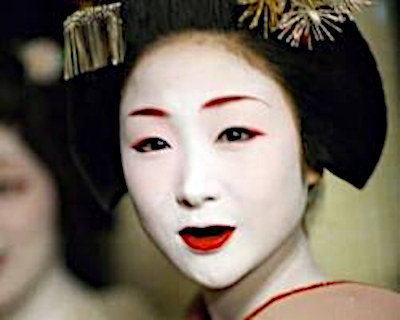
For a long time in Japan, fashionable women painted their teeth black.

Key Details About the Practice

  • Beauty and Social Status: Pitch-black objects were historically viewed as sophisticated and aesthetically pleasing in Japan. Blackened teeth were worn as a mark of beauty, maturity, and refinement.
  • Who Did It? During the Heian period (794–1185), it was practiced primarily by aristocratic men and women as a coming-of-age ritual. By the Edo period (1603–1867), it became a widespread tradition associated specifically with married women, as well as geisha and court nobles.
  • The Recipe: The dye (called kanemizu) was made by dissolving iron filings in vinegar to create an iron acetate solution, which was then mixed with plant tannins (such as tea or gallnut powder).
  • Dental Protection: Surprisingly, the mixture acted as an effective dental sealant. The coating protected teeth against cavities and enamel decay long before modern dental care existed.
  • Why It Ended: When Japan opened its borders and modernized during the Meiji Restoration, the government banned ohaguro in 1870 to adopt Western beauty standards.
Posted on — Leave a comment

Worst Aphrodisiac

An aphrodisiac is a substance such as a food, drink, drug, or potion that increases sexual desire, attraction, pleasure, or performance.

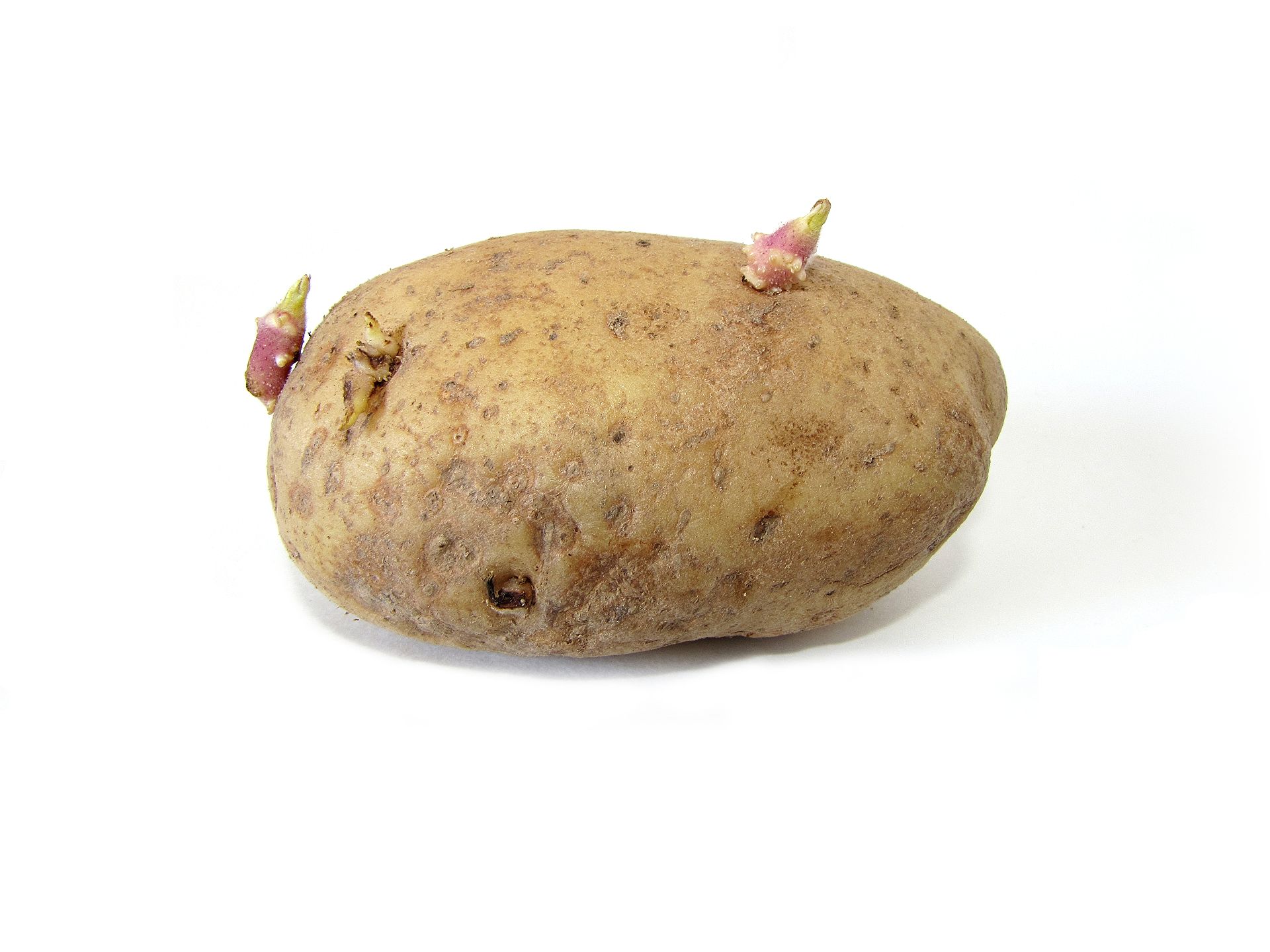
There was a time and place where plain old potatoes fetched over $1,000 per pound. Until the mid 16th century, Spaniards had never seen potatoes and for a while it was assumed that they had aphrodisiac qualities.

10 Interesting Facts About Aphrodisiacs

  1. The word comes from the Greek goddess of love
    The term “aphrodisiac” is derived from Aphrodite, the ancient Greek goddess of love, beauty, passion, and procreation.
  2. The “placebo effect” is their strongest feature
    Modern science shows that most historical and popular aphrodisiacs have little to no measurable physiological impact on human libido. Instead, their perceived effectiveness is heavily driven by the psychological placebo effect—believing something will work often makes it work.
  3. Sympathetic magic drove ancient choices
    Throughout history, many foods were labeled as aphrodisiacs simply because of their physical appearance. Known as the “Doctrine of Signatures,” ancient cultures believed that foods resembling human reproductive organs—such as figs, avocados, oysters, and rhinoceros horns—possessed magical properties to boost fertility and drive.
  4. Oysters earned their reputation through zinc and history
    Giacomo Casanova famously ate 50 oysters every morning for breakfast to maintain his stamina. While the claim may be embellished, oysters are exceptionally high in zinc, a mineral vital for testosterone production and sperm health.
  5. Chocolate contains mood-boosting chemical compounds
    Dark chocolate contains phenylethylamine (often called the “love chemical”), which releases endorphins and dopamine in the brain, as well as tryptophan, a precursor to serotonin. While the concentrations are too small to act as a direct physiological aphrodisiac, it undoubtedly elevates mood.
  6. “Mad Honey” was used as a risky physical stimulant
    In parts of Turkey and Nepal, bees collect nectar from specific rhododendron species, producing a rare honey containing grayanotoxins. In tiny doses, “mad honey” produces a mild euphoric sensation and vasodilation historically used to boost performance, though slightly higher doses cause severe toxicity, hallucinations, and cardiac issues.
  7. Spanish Fly is actually a toxic, dangerous beetle
    Historically famous as a potent aphrodisiac, “Spanish Fly” is crushed beetle tissue containing cantharidin. Rather than increasing genuine desire, cantharidin irritates the urinary tract and genital tissue, causing swelling and inflammation. It is highly toxic, causing severe kidney damage and potential death.
  8. Nutmeg was once a prized, hallucinogenic love potion
    In medieval Europe and traditional Ayurveda, nutmeg was considered a powerful aphrodisiac. In large doses, nutmeg contains myristicin, a compound that acts as a psychoactive substance, causing warmth, euphoria, and mild hallucinations—though, like Spanish Fly, large doses carry severe toxic side effects.
  9. Chili peppers trigger a physiological mimicry of arousal
    Capsaicin, the compound that makes chili peppers spicy, increases heart rate, stimulates nerve endings, causes sweating, and releases endorphins. These physiological reactions closely mirror the body’s natural response to sexual arousal.
  10. Modern medicine recognizes only a few true performance enhancers
    While true aphrodisiacs (substances that inherently generate sexual desire) remain largely elusive in pharmacology, modern medicine has successfully created erectile dysfunction treatments (like sildenafil/Viagra) which work on blood circulation, rather than altering mental libido directly.