Posted on — Leave a comment

Worst Motorhome

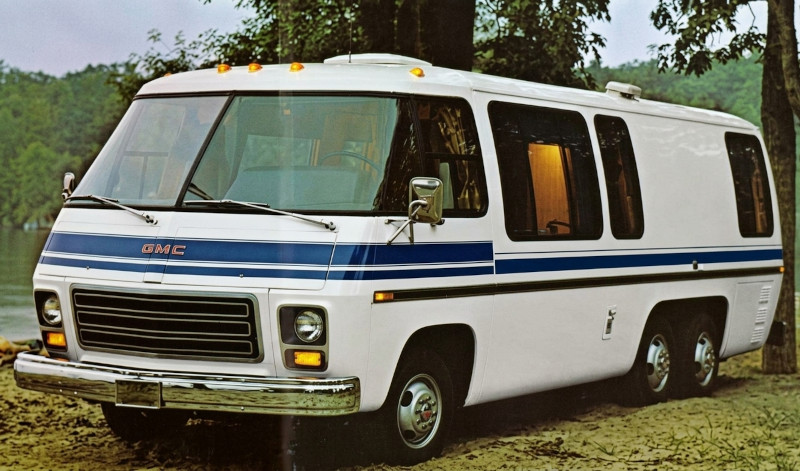
The GMC Motorhome (produced from 1973 to 1978) is widely considered a design masterpiece of its era, featuring front-wheel drive, a low profile, and a sleek fiberglass-and-aluminum body. It’s sleek look causes many people upon seeing one for the first time to believe that it is a current, ultra-modern motorhome.

I bought one of these in 1978 that was four years old. I like to claim that I spent more time under it fixing things, than in it. I drove it back and forth across the USA for three and a half round trips, and into Canada twice during the six years that I owned it. It looked almost identical to the one pictured above.

However, its unique engineering choices and vintage mechanicals came with a specific set of notorious problems and vulnerabilities:

Mechanical & Drivetrain Issues

Front-Wheel-Drive Heavy Loads:
The GMC used GM’s Unified Powerpack – the same 455 cu in (7.5L) or 403 cu in (6.6L) Oldsmobile V8 engine and Turbo-Hydramatic 425 transmission used in the Oldsmobile Toronado and Cadillac Eldorado. While innovative for an RV, transferring that much torque to front drive axles carrying up to 12,000+ lbs caused premature wear on CV joints, front axle shafts, and front wheel bearings (which often required replacement or repacking every 25,000–30,000 miles). Yes, I had to replace a CV joint.

Engine Bay Overheating & Vapor Lock:
Because the front-wheel-drive engine was shoved tightly under the cab forward of the front axle, ventilation was tight. Under heavy loads, mountain climbs, or hot summer driving, the engine bays were prone to extreme heat build-up, occasionally leading to vapor lock in the mechanical fuel pump system. I didn’t have that problem, but found the transmission oil turning brown, so I had to install an auxiliary cooler.

Front Traction Problems:
Because all driving force came from the front wheels while much of the living space and cargo weight rested over the rear tandem axles, traction could be poor on wet grass, steep unpaved inclines, or loose gravel. Towing heavy trailers could unweight the front end further. I never experienced that.

Rear Suspension & Brake Shortcomings

Air Suspension System Leaks:
The GMC Motorhome famously omitted a rear axle across the middle of the vehicle (dual rear wheels, or ‘dualies’), using an electro-pneumatic air bag system to self-level the rear tandem wheels and provide a smooth ride. The original rubber air bladders, air compressor, leveling valves, and air lines are notoriously leak-prone over time, causing the rear end to sag or drop completely to the bump stops when parked or driving. I never had a leak, but an air bag blew out in the middle of one night. I thought someone had shot the side of the motorhome with a shotgun. In the morning, I discovered pieces of rubber blown twenty feet (7 meters) away. People claimed a smooth ride, but no, it was noisy and bumpy, although perhaps no more than most motorhomes.

The differential gearing was the same as the Oldsmobile, but the wheels were larger and the vehicle weighted much more. It was geared so high that it couldn’t climb out of some not-so-steep driveways.

Not only that but the tandem rear wheels put tremendous lateral stress on the bearings when turning sharply such as backing into parking spaces. As a consequence, I had a wheel fly off on the freeway in Ohio one morning. Fortunately, the bearing and brake parts were standard Oldsmobile Toronado, so I was able to get replacements at a nearby junkyard. I also had to replace a pivot pin at another time.

The frame was a little lighter duty than ideal. GM sold shim kits so as the frame slowly twisted at the rear wheels, the wheels could be made perpendicular again.

Marginal Braking Performance:
Stopping a 10,000-to-12,000 lb vehicle with 1970s drum brakes on the four rear wheels and discs up front was challenging. Brake fade on long downhill mountain descents was a common complaint among owners, requiring careful gear-down engine braking. I never experienced that.

Electrical Flaws

12V Wiring & Grounding Issues:
The original 12V DC wiring harnesses suffer from inadequate grounding, leading to flickering lights, erratic instrument panel gauges, and persistent battery drain issues when sitting. I didn’t have that, but I could understand the problem. Lights and other components had to have two wires instead of one. In a steel vehicle, the electricity can be grounded through the frame.

Ownership & Living Space Drawbacks

Even in the late 1970s, replacement parts were expensive and hard to get. At the same time, owners of the ubiquitous Class C motorhomes, those with an ordinary van chassis, were low-cost and easy to maintain.

The curved entry door would slowly uncurve. General Motors offered a special block and tackle kit to bend it back into shape. Mine leaked when it rained.

The curved walls made it feel small inside. Curtains had to have runner attachments at the top and bottom.

Fuel Economy:
Despite its aerodynamic styling compared to boxy competitors of the 1970s, the massive big-block Oldsmobile V8 typically delivers only 8 to 11 MPG on highway trips. Yup, I averaged 10 miles per gallon.

A total of 12,921 GMC Motorhomes were produced during its manufacturing run from model years 1973 through 1978.

Two length options were offered:
26-foot models: Accounted for the vast majority of production (around 11,000 units).
23-foot models: Made up the remaining ~1,900 units.

Mine was 26 feet long.

Survival Rate:
One of the most remarkable aspects of the GMC Motorhome is its longevity. Thanks to its aluminum and fiberglass body construction and an enthusiastic enthusiast community, an estimated 8,000 to 9,000 of these motorhomes are still in running condition and on the road today.

On The Other Hand:
Owners of recent motorhomes made after approximately 2014 have a lot of complaints about low-quality materials, over-engineering with too many failure-prone electronics, and poor workmanship. Rain leaking in and causing mold damage is common. One of the biggest issues seems to be with the slide-out rooms. Imagine getting ready to leave your campground, but you can’t get a slide to go back in!
Posted on — Leave a comment

France’s Worst President

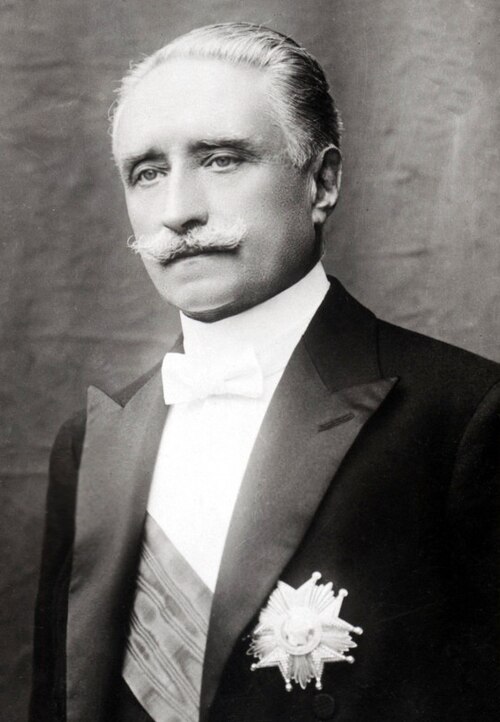
Paul Deschanel was a French politician, orator, and writer who served as the 10th President of the French Third Republic in 1920. While he enjoyed a long, distinguished political and literary career, he is best remembered for his brief, tragicomic presidency, which lasted just seven months before being cut short by a severe mental breakdown.


Rise to Power

  • Distinguished Career: Prior to his presidency, Deschanel was an influential parliamentarian representing the Eure-et-Loir department for 35 years. He served twice as President of the Chamber of Deputies (the lower house of Parliament), notably holding the position throughout World War I, where he gained fame as a patriotic orator.
  • Literary Achievement: An accomplished intellectual, he authored numerous books on literature and political science and was elected to the prestigious Académie française in 1899.
  • Defeating “The Tiger”: In January 1920, Deschanel achieved his lifelong ambition of becoming president by defeating Georges Clemenceau—France’s legendary wartime Prime Minister—in a surprise election victory.

The Presidency & Mental Collapse

Shortly after taking office, Deschanel began suffering from severe anxiety, depression, and neurological deterioration, likely brought on by dementia or extreme overwork. His erratic behavior quickly became the talk of Paris:

  1. The Train Incident (May 24, 1920): While traveling overnight on the presidential train to Montbrison, an intoxicated or confused Deschanel fell out of his compartment window while trying to open it. The train was moving slowly, so he survived with only minor scrapes. Dressed only in his pajamas, he walked to a nearby railway track-watcher’s cottage, claiming to be the President of France. The worker’s wife famously brushed him off at first, thinking he was a drunk local.
  2. Strange Public Episodes: Reports began surfacing of other bizarre occurrences—such as signing state documents as “Napoleon” or “Charlemagne,” receiving dignitaries while wearing only his presidential sash, and wandering into a lake fully clothed at the Château de Rambouillet.

Resignation and Legacy

  • Resignation: Realizing he was unfit to govern, Deschanel resigned on September 21, 1920, after just 216 days in office. He was succeeded by Prime Minister Alexandre Millerand.
  • Recovery: After resting at a sanatorium, his mental health improved significantly. He was elected to the French Senate in early 1921, where he served until his death from pleurisy in April 1922.
  • Historical Impact: Beyond the popular folklore surrounding his train fall, Deschanel was notable for his progressive stance on foreign affairs and his lifelong opposition to the death penalty; notably, no state executions took place during his time as head of state.
Posted on — Leave a comment

Worst Doctor

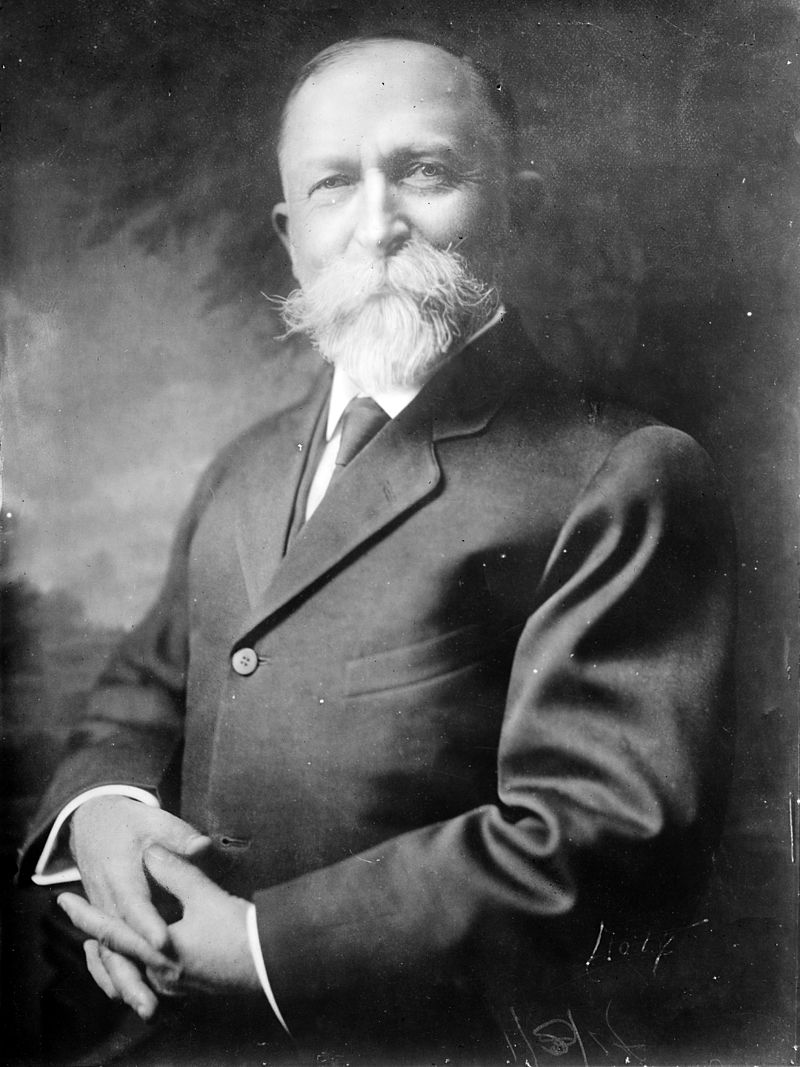
Kellogg’s Corn Flakes was invented as a way to stop children from masturbating. Dr. John Harvey Kellogg felt that bland foods would curb sexual appetite. The theory must have not been quite right, because although a lot of corn flakes were sold, the kids kept doing what kids will do.

Dr. Kellogg was a man obsessed with speaking and acting out against masturbation. In fact, he went much farther than just talking about it. As a medical doctor, he badly abused his power, and young patients, as is evidenced in the following quotes:

“A remedy which is almost always successful in small boys is circumcision, especially when there is any degree of phimosis. The operation should be performed by a surgeon without administering an anesthetic, as the brief pain attending the operation will have a salutary effect upon the mind, especially if it be connected with the idea of punishment, as it may well be in some cases. The soreness which continues for several weeks interrupts the practice, and if it had not previously become too firmly fixed, it may be forgotten and not resumed.”

A method of treatment [to prevent masturbation]: “…and we have employed it with entire satisfaction. It consists in the application of one or more silver sutures in such a way as to prevent erection. The prepuce, or foreskin, is drawn forward over the glans, and the needle to which the wire is attached is passed through from one side to the other. After drawing the wire through, the ends are twisted together, and cut off close. It is now impossible for an erection to occur, and the slight irritation thus produced acts as a most powerful means of overcoming the disposition to resort to the practice.”

Posted on — Leave a comment

Worst Beach

10 Interesting Facts About Dead Horse Bay

  1. Ghastly Origin of the Name:
    In the 1850s, the surrounding area housed numerous rendering plants. Dead horses from the streets of New York City were brought here to be boiled down into glue, fertilizer, and animal oil, giving the bay its macabre name.
  2. A Treasure Trove of Vintage Trash:
    In the 1950s, a cap holding back a massive 1930s landfill burst open. Ever since, decades-old trash, predominantly from the 1920s to the 1950s, has been washing up onto the shore continuously.
  3. The “Glass Bottle Beach”:
    Dead Horse Bay is famous among urban explorers and collectors for its carpet of vintage glass bottles. Thousands of perfume bottles, medicine vials, soda bottles, and liquor flasks from early 20th-century New York line the beach.
  4. Accidental Time Capsule:
    Because the landfill buried items in an oxygen-deprived environment before it ruptured, many delicate artifacts—such as leather shoes, nylon stockings, bone buttons, and plastic toys—remained remarkably preserved for over half a century.
  5. Connected to Robert Moses:
    Famous NYC urban planner Robert Moses used garbage, sand, and incinerator ash in the 1930s to fill in the marshland, aiming to connect Barren Island to Brooklyn to expand Marine Park.
  6. Barren Island’s Ghost Town:
    Before becoming a giant landfill, Barren Island (which borders Dead Horse Bay) was home to a tight-knit community of factory workers, immigrants, and off-grid residents. The city evicted the remaining community members in the 1930s to clear space for Floyd Bennett Field.
  7. Radioactive Discovery and Closure:
    In 2020, the National Park Service indefinitely closed the primary beach area at Dead Horse Bay after elevated levels of gamma radiation—traced back to buried vintage industrial waste like radium dials—were detected on the surface.
  8. A Clanging Symphony of Sound:
    Visitors to the beach often noted a distinct sound: as tides roll in and out, thousands of glass bottles bang against one another and against rocks, creating a unique, wind-chime-like clanging sound.
  9. Part of a National Recreation Area:
    Despite its industrial and toxic past, Dead Horse Bay sits on land managed by the National Park Service as part of the Gateway National Recreation Area in Brooklyn, New York.
  10. A Haven for Horseshoe Crabs:
    In addition to historical detritus, the bay serves as an important spawning ground for horseshoe crabs—ancient marine arthropods that come ashore every spring during full and new moons to lay their eggs.
Posted on — Leave a comment

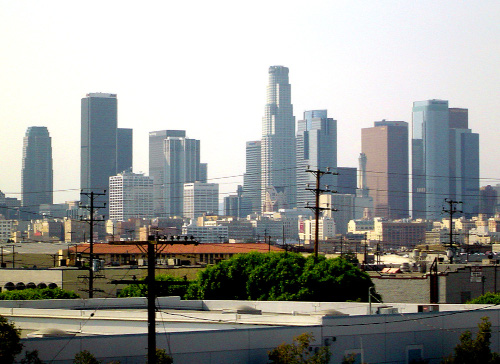
10 Worst Jokes About Los Angeles

The hiking culture in LA is intense. People wake up at 5 AM to climb a mountain before work, take 47 photos at the top, post them with #blessed, then don’t exercise again for two weeks. But they wear athleisure every single day to maintain the illusion of being active.

I moved to LA and told people I was a writer. They asked what restaurant I work at. I said I actually make a living writing. They asked what my trust fund situation was. I said I don’t have one. They slowly backed away like I had a contagious disease.
Los Angeles is the only city where someone will honk at you, flip you off, and then ask you to follow their TikTok.

I tried to take public transit in L.A. once.
My friends acted like I said, “I’m sailing to work on the back of a dragon.”

I met a guy who said he was “in the industry.” Turns out he sells popcorn at the movies.

I went to a networking event in LA and everyone introduced themselves with their elevator pitch. “I’m a creative entrepreneur exploring the intersection of wellness and blockchain.” Nobody has a job. Everyone has a vision. I said I was a dentist and people literally walked away mid-conversation.

In Los Angeles, a “walkable neighborhood” just means “there’s at least one sidewalk that isn’t closed for filming.”

In Los Angeles, traffic reports aren’t news—they’re just weather forecasts for cars.

LA has two seasons: “sunny” and “slightly less sunny.”

I asked someone if it ever rains in LA. They said, “Only in movies.”

People in LA don’t ask “How are you?” They ask, “What’s your screenplay about?”

I ordered a burger in LA. They asked, “Do you want it vegan, gluten-free, or spiritually aligned?”

My friend asked if I’d go hiking in L.A. I said sure — then discovered hiking is just walking uphill while apologizing to joggers who pass you.

L.A. has seasons:
Fire, Mudslide, Awards, and Slightly Cooler.

In Los Angeles, even the pigeons have agents.
One tried to give me his headshot at a bus stop.

GPS in L.A. doesn’t give directions; it whispers supportive affirmations like, “You’re doing great, sweetie.”

I asked a barista in L.A. for a simple black coffee.
She said, “Emotionally, spiritually, or photographically?”

In Los Angeles, you’re never more than six feet from someone writing a screenplay — and four feet from someone pretending they’re not writing a screenplay.

In L.A., a “neighborhood watch” is just people recording everything on their phones.

Every time there’s a tiny earthquake in L.A., residents jump on Instagram like they survived a medieval siege.

Los Angeles is the only city where you can sit in a traffic jam for 40 minutes and still be considered “close by.”

When someone in L.A. says, “I’m five minutes away,” they mean it emotionally, not physically.

In Los Angeles, “cold weather” means someone had to wear sleeves.

I went to a party in the Hollywood Hills and the host gave everyone a tour of their home, including showing us which bathroom celebrities had used when they visited. “This is where a guy from a Geico commercial once washed his hands.”

I asked someone in L.A. where they were from and they said, “Oh, I’m an actor.”

Yoga classes in L.A. have levels: Beginner, Advanced, and “Influencer.”

I tried ordering a soda in Los Angeles, and the server said, “We only have kombucha, mushroom tonics, and positive energy drinks.”

The concept of being “on time” doesn’t exist in LA. If someone says they’ll be there at 7, they mean 7:45, but also they might not come at all. “I’m five minutes away” is a complete work of fiction. They haven’t left their house. They might not even be in the same city.

Every store in L.A. has valet parking — even the ones with two parking spots.

Every apartment building in LA has a rooftop pool that looks amazing in photos but is always closed for “maintenance” or filled with three inches of water and leaves.

Only in Los Angeles can you buy an $18 smoothie and still feel like you got a good deal.

Everyone in LA claims they “don’t really watch TV” but can quote every episode of every prestige drama from the past decade. “Oh, I don’t own a TV” they say, while simultaneously referencing obscure plot points from Succession.

LA people will tell you they’re “in the industry” and get offended if you ask which industry. There’s only one industry. If you work in literally anything else, you’re a civilian. I’m a software engineer and someone asked me when I was going to “get a real career.”

Hollywood is the place where dreams come true — and also where dreams hold auditions and get rejected.

In most cities, the weather forecast changes.
In Los Angeles, the forecast just says, “Still sunny.”

I asked a local about earthquakes and he said, “They’re not scary unless they spill your latte.”

In L.A., even the palm trees look like they’re posing for an influencer collab.

The ocean in L.A. is beautiful — you just have to get past the tourists, the fog, the traffic, and the existential dread.

Los Angeles is the only place where your neighbor’s dog has more Instagram followers than you.

LA has a store that only sells crystals and the sales person told me which crystal would align my chakras and improve my career prospects. I asked if they had one that would help me pay rent. She didn’t laugh. She showed me citrine. It was $140. I bought it. I’m part of the problem.

I’ve been in LA for five years and I still can’t figure out what anyone actually does for work. People have job titles like “Creative Strategist” or “Brand Alchemist” or “Wellness Consultant.” I asked someone to explain what they do and they talked for 10 minutes and I still have no idea. They might be unemployed. They might be a millionaire. In LA, it’s impossible to tell the difference.

See also: Worst Name for a City.

Posted on — Leave a comment

Celebrities with the Worst Eccentricities

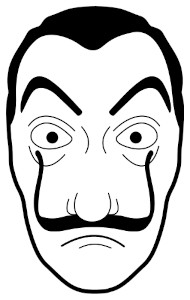
Salvador Dali – The surrealist artist was known for his strange behaviors, such as wearing an antique diving suit and carrying a walking stick with a built-in phallus.

Nikola Tesla – The brilliant inventor was known for his aversion to germs and obsession with the number 3.

Howard Hughes – The billionaire industrialist and aviator was known for his extreme germophobia, reclusiveness, and obsession with aviation.

Lady Gaga – The pop icon is known for her avant-garde fashion sense and eccentric performances, such as wearing a meat dress to an awards show.

Marlon Brando – The legendary actor was known for his peculiar habits, such as having his lines fed to him through an earpiece and insisting on being filmed only in close-ups.

Rasputin – The Russian mystic was known for his wild behavior, such as engaging in orgies and claiming to have healing powers.

Hunter S. Thompson – The journalist and author was known for his drug use, love of firearms, and eccentric personality.

Timothy Leary – The psychologist and counterculture icon was known for his advocacy of psychedelic drugs and unconventional lifestyle.

John McAfee – The software entrepreneur was known for his eccentric behavior, such as claiming to have developed a method to communicate with whales.

Steve Jobs – The Apple co-founder was known for his minimalist fashion sense and perfectionist tendencies.

Richard Branson – The billionaire entrepreneur is known for his adventurous spirit, such as attempting to circumnavigate the world in a hot air balloon.

Oscar Wilde – The writer was known for his flamboyant fashion sense and wit, as well as his homosexuality in a time when it was illegal.

Sarah Winchester – The widow of the Winchester rifle heir was known for her belief in spirits and building a mansion with constantly changing architecture to appease them.

H.R. Giger – The artist and designer was known for his disturbing and erotic artwork, including designing the iconic alien in the movie “Alien”.

Stanley Kubrick – The filmmaker was known for his obsessive attention to detail and control over his films.

Johnny Depp – The actor is known for his eclectic fashion sense and collection of oddities, such as a preserved human finger.

Angelina Jolie – The actress is known for her unusual tattoos, including a Buddhist prayer and the coordinates of her children’s birthplaces.

Shia LaBeouf – The actor is known for his strange behavior, such as wearing a paper bag over his head at a red carpet event.

Madonna – The pop star is known for her controversial music videos and stage performances, such as simulating masturbation during a live concert.

Britney Spears – The pop star is known for her public breakdowns and erratic behavior, such as shaving her head in 2007.

Ozzy Osbourne – The rock star is known for his wild behavior and drug use, as well as biting the head off a bat during a live performance.

Posted on — Leave a comment

Worst Museums

Enjoy this list of museums. They aren’t all bad, but some are the worst in the world.

Museum of Bad Art – a collection of artwork too bad to be ignored

The Icelandic Phallological Museum – a collection of over 215 penises and penile parts from over 93 species

The Parasite Museum – a museum that focuses on the strange world of parasites

In San Rafael, California, you’ll find the Museum of International Propaganda.

The Sulabh International Museum of Toilets – a museum dedicated to the evolution of toilets around the world

The Museum of Broken Relationships – a collection of objects left over from failed relationships

The International Cryptozoology Museum – a museum that studies creatures that are rumored to exist, but have not been proven to exist

The Mütter Museum – a museum of medical oddities and human specimens

The Museum of Death – a museum that explores the subject of death through exhibits of real human remains and death-related artifacts

Marin Museum of Bicycling – a museum dedicated to bikes and bicycling, specializing in mountain bikes.

The Museum of Questionable Medical Devices – a museum that showcases medical devices that have questionable effectiveness

The Hand Fan Museum – a museum of hand fans, the devices used by women mostly in past eras to cool themselves, and send semi-secret signals to others.

The Museum of Jurassic Technology – a museum that explores the intersection of art, science, and the imagination

The Vent Haven Museum – a museum dedicated to ventriloquism and the history of ventriloquists’ dummies

The Museum of Neon Art – a museum that collects, preserves, and exhibits neon signs and related art forms

The House on the Rock – a museum that features a collection of oddities, including the world’s largest indoor carousel

The Kansas Barbed Wire Museum – a museum dedicated to the history and development of barbed wire

The National Museum of Funeral History – a museum that explores the history and cultural significance of funerals and funeral practices

The International Spy Museum – a museum that explores the history and methods of espionage

The American Banjo Museum – a museum that explores the history and evolution of the banjo

The Museum of Osteology – a museum that showcases the skeletal system of animals from around the world

The Teddy Bear Museum – a museum that showcases the history and evolution of teddy bears

The Museum of the Weird – a museum that showcases bizarre and unusual artifacts from around the world

The Elevator Museum – a museum that explores the history and development of elevators

The Canadian Potato Museum – a museum that explores the history and cultural significance of potatoes in Canada

The Skyscraper Museum – a museum that explores the history and evolution of skyscrapers

The Salt and Pepper Shaker Museum – a museum that features over 20,000 salt and pepper shakers from around the world

The Museum of Miniature Houses – a museum that showcases a collection of miniature houses and other miniatures

The National Museum of Roller Skating – a museum that explores the history and evolution of roller skating

The Museum of Handbags and Purses – a museum that showcases the history and evolution of handbags and purses

The Museum of Chinese in America – a museum that explores the history and experiences of Chinese immigrants in America

The New Orleans Pharmacy Museum – a museum that showcases the history and development of pharmacy and medicine in New Orleans

The Musée Mécanique – a museum that features a collection of antique arcade machines and mechanical instruments.

Posted on — Leave a comment

Worst Way to Ride a Bicycle

Wrong Way Wooten,
World’s Most Eccentric Bicycle Tourist

Copyright 2014-2026, Jeff Napier

You may occasionally hear someone refer to doing something oddly, or backward, as “Wrong Way Wooten.”
This has become an expression almost entirely detached from its roots. Something like, “Who is John Galt?” That came from the classic novel, Atlas Shrugged, by Ayn Rand. But what about “Wrong Way Wooten?” What’s that all about?

In approximately 1955, Tom Wooten was born in Bryn Mawr, Pennsylavnia.

This place with the weird spelling (pronounced “brin mar”) is approximately eleven miles outside of Philadelphia. Bryn Mawr means “Big Hill” in Welsh. This is a little town of approximately 4,000 people with a neat little downtown where most of the buildings, and most homes, are made of red or orange brick. Bryn Mawr is known as one of the wealthiest areas in the United States, and that figures into our story later on. Ten percent of the population is black, ten percent Asian, and the rest mixed or white.


Bryn Mawr in Pennsylavania


Downtown Bryn Mawr

Tom grew into a tall, slim, very dark skinned, strong, good-looking man. For a short while in the 1980s, he was slightly world-famous. He did not attain the level of celebrity such as Paul McCartney, Dolly Parton, or Burt Reynolds, but he did become a legend, and I think you’ll agree that what he did was significant.

So what did he do? He rode a bicycle backward. That’s all. But he leveraged that skill to deliver a message, and he did it well.

It started when Tom was thirteen years old. In a discussion with a friend, the idea of riding a bike while sitting on the handlebar came up. The friend said it couldn’t be done. Tom proved otherwise.

Through his high school and college years, he perfected this skill, and was occasionally seen riding his bike backward through the town.

There is no information about where he went to college. In fact like much of the information about Tom Wooten, well, there just isn’t much information. One thing we know for sure is that it wasn’t Bryn Mawr college, since that’s an all-woman’s college.

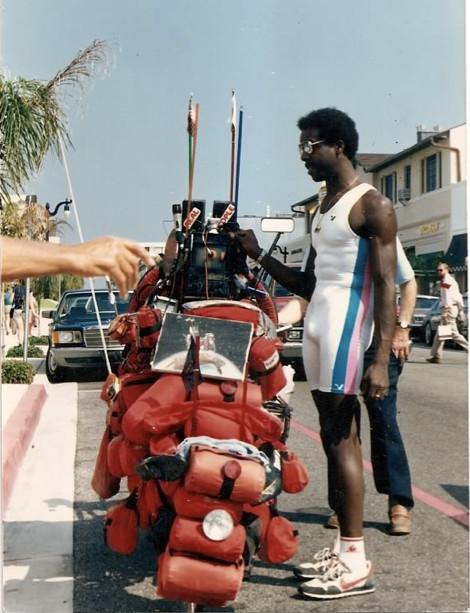
Initially, he rode an ordinary ten-speed bike of the era. with the only modifications being padded tape on the handlebar, to make sitting on it more comfortable, and mirrors on long brackets so he could see where he was going.

When he saw the way people reacted to seeing him ride that way, he decided it would be his career someday.

It wasn’t long before people started calling him “Wrong Way Wooten.” Later, he legally changed his first name to “Wrong Way.”

In his late 20s, evidently after driving a tow truck for a while, and receiving a degree in psychology, he planned his first cross-country tour. Originally, he was going to ride with five other people, but they all backed out before he started. He relates, “I learned never to count on anybody for anything.”

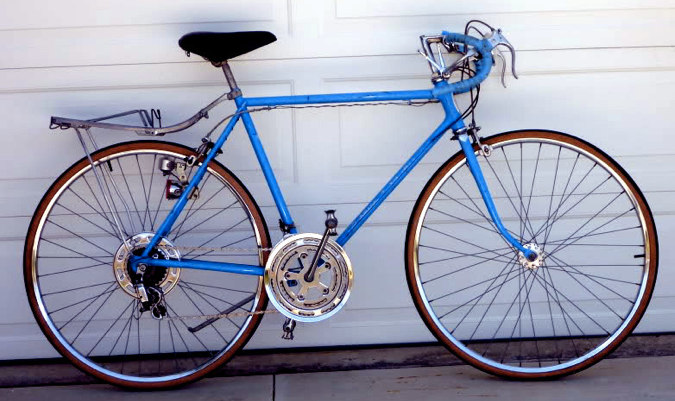
he built a custom bike for his purpose. It was based on a Schwinn Varsity, which was a heavy all-steel ten-speed road bike of the late 1970s, with a one-piece crank.


Schwinn Varsity

In addition to padding the handlebar and adding mirrors, he removed the seat, and put a portable television in its place. He then somehow attached another ten-speed bike to the rear of his bike in order to carry more gear. There is no information as to exactly how the second bike was attached. There are conflicting reports as to how much the entire contraption weighed. The report that I believe says it was 160 lbs (72 kg). Other reports put it at “over 300 pounds” and some say it was 450 lbs.


Wrong Way Wooten and his custom bike

Wrong Way converted the bike to 21 speeds, quite rare in the 1980s, but left the shifters in their original position – on the handlebar stem. This meant that he had to reach between his legs to change gears.


Stem shifters on a Schwinn Varsity

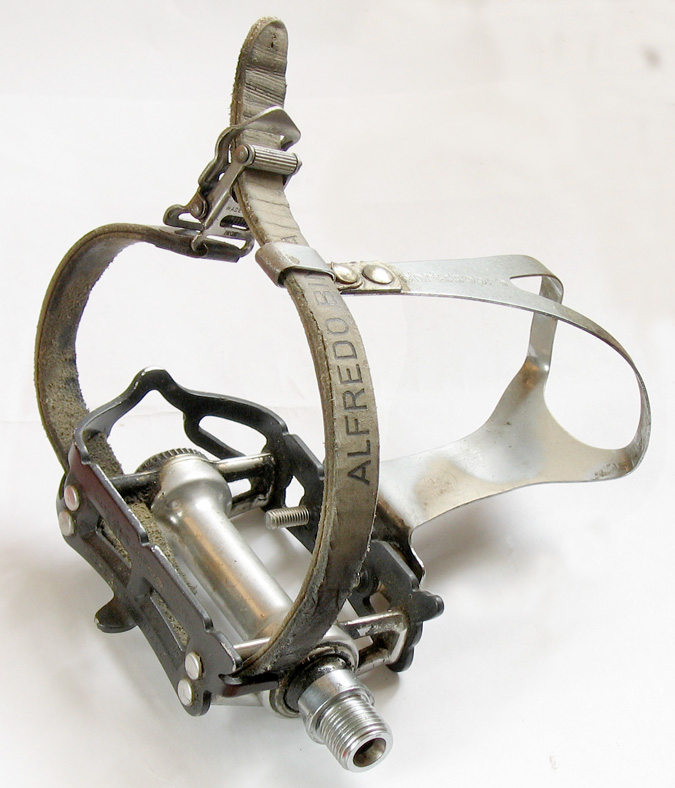
His bike had toe-clips, which were, of course, installed backward on the pedals.


A pedal with toeclip

Before his first trip to traverse the entire United States, he studied maps. Being independently wealthy (according to what little is written – and we don’t know how he attained that wealth, but Bryn Mawr is known for its wealthy residents), he then hired a small airplane to fly low, examining his proposed route for overly steep hills, road construction and other such potential problems.

Wrong Way then set out on his journey with a specific self-appointed mission. He represented several major charities including The American Cancer Society, The American Lung Society, The Heart Fund, the Jaycees, United Way, and March of Dimes, taking donations in person and also encouraging people to donate directly to their favorite charities.

According to the legend, he criss-crossed the country several times totaling 28,000 miles (45,000 kilometers) over the next seventeen years. As he tirelessly explained to thousands of people across the country, “The main reason I do what I do is to get people to realize that they have a responsibility to other people.” When he could, he would ride more than 100 miles in a day, but on many days he couldn’t get that far. This was due to interruptions as fascinated people wanted to talk with him. He was fine with that.

To some, it looked like what he was doing, riding around the country on a bike, would be limitless fun, but he cited some problems, such as flat tires, bad weather and racists who sometimes tried to run him off the road. “I can’t hate them, then I would be just like them.”

Someone once asked what he does when he gets a flat tire. With a straight face he answered, “I set the bike on fire.”

He did not recommend that other people should tour backwards. “One mistake, and you’re history.”

As with all good legends, the stories sometimes exceed the truth. One person remembers that Wrong Way was an expert on the subject of girls. He was supposedly a remarkable cook and a karate expert. That may be true. At least one person says Wrong Way was able to read minds, responding to unvoiced questions. All say he was a brilliant conversationist, able to speak on any level from ghetto talk to erudite conversations with professors.

He has been spoken of as a loner, and in a way, I suppose he was. This was a one-man crusade, and it must have been hard for him to have permanent, deep friendships, since he was always on the move. There is an unverified story that he had a son, who he pretty much entirely neglected. It is reported that this boy had a hard time in school, being an angry, disruptive student.

With the public, he was evidently quite gregarious. On his bike he also carried a sound system, and on more than one occasion he could be seen riding backward, accompanied by blaring music – anything from opera to rock, and sometimes happily singing along.

He planned on riding for twenty-five years. Unfortunately, in 2004, at age 47, he died of a massive heart attack.

His credo was, “Bind yourself to nothing and seek harmony with all things. Only then can you be truly free.” People who remember him say he was a wonderful and very personable ambassador for kindness to others.

For more bicycle information, everything from memoirs to unexpected how-to info, check out the 500 Ways Bicycling section.

Posted on — Leave a comment

Worst Over-Production of a Game

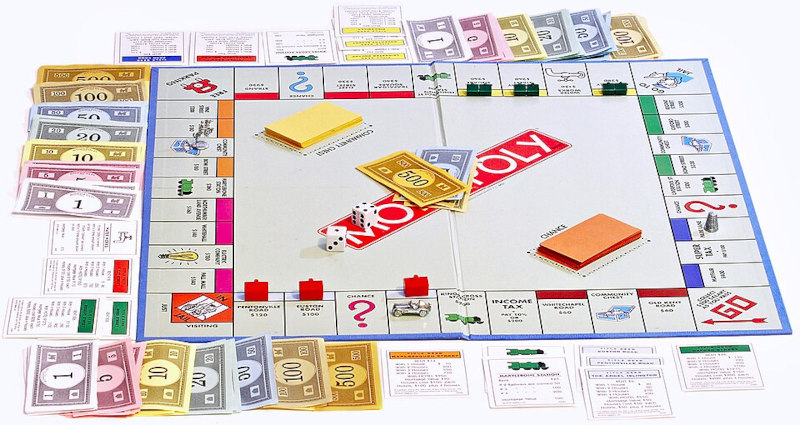
Parker Brothers have made more than 275 million copies of their Monopoly game. They have printed more Monopoly money than the US Federal Reserve has issued in real money for America. If you stacked up all the Monopoly sets they have made, the pile would be over 7,100 miles (11,400 km) tall, almost the diameter of Earth.

Here’s a deeper Analysis:

1. Printed Money Comparison: False (Misleading / Dependent on Definition)

  • Number of Bills: In terms of total physical paper notes, printing companies (including Parker Brothers and Hasbro) do produce vastly more paper bills per year than the Bureau of Engraving and Printing produces U.S. dollar bills.
  • Monetary Value: A standard Monopoly set contains $20,580 in play money. Across all the Monopoly games produced worldwide since 1935, the total face value of Monopoly money ever printed is roughly $6 trillion to $10 trillion. By comparison, the U.S. Federal Reserve currently manages a U.S. broad money supply (M2) exceeding $21 trillion.

2. Stacking the Monopoly Sets

  • A standard Monopoly game box measures roughly 1.5 inches (3.8 cm) thick.
  • Hasbro and Parker Brothers have produced over 275 million to 300 million copies of the game globally.
  • Stacking 300 million boxes at 1.5 inches each yields:
(300,000,000 × 1.5 inches) / (12 inches/ft × 5,280 ft/mile) ≈ 7,100 miles (11,400 km)

Even if you stack only the folded game boards or measure a stack of roughly 50 million boxes, the height easily exceeds 1,100 miles (1,770 km).


Part 2: Monopoly Money Placed End to End Around the Globe

If you placed all the Monopoly money ever printed end to end, it would circle the globe roughly 145 to 160 times (and up to 260+ times under higher production estimates).

1. Key Variables

  • Bills per Game: A standard Monopoly set includes 210 paper bills (30 notes each of $1, $5, $10, $20, $50, $100, and $500).
  • Length of a Bill: A standard Monopoly bill is 4 inches (10.16 cm) long.
  • Total Games Produced: Hasbro/Parker Brothers have manufactured between 275 million and 300 million standard Monopoly games worldwide since 1935 (with some estimates reaching 500 million including special editions).
  • Earth’s Circumference: Approximately 24,901 miles (40,075 km) around the equator.

2. Step-by-Step Calculation

For 300 Million Games (Standard Estimate):

  1. Total Number of Bills:

    300,000,000 games × 210 bills/game = 63,000,000,000 bills
  2. Total Length in Inches:

    63,000,000,000 bills × 4 inches = 252,000,000,000 inches
  3. Convert Inches to Miles:

    252,000,000,000 inches / (12 in/ft × 5,280 ft/mile) ≈ 3,977,273 miles (6,400,820 km)
  4. Orbits Around the Earth:

    3,977,273 miles / 24,901 miles/orbit ≈ 159.7 times

Comparison Summary

  • 275 Million Sets: ~3.65 million miles → ~146 times around Earth
  • 300 Million Sets: ~3.98 million miles → ~160 times around Earth
  • 500 Million Sets (All Editions): ~6.63 million miles → ~266 times around Earth

For perspective, placing all those bills end-to-end wouldn’t just circle the Earth—it would reach the Moon and back about 8 to 13 times!