Posted on — Leave a comment

Worst Haircuts of All Time


10 Interesting Facts About Haircuts

  1. Barbers used to perform surgeries and dentistry. During the Middle Ages, “barber-surgeons” handled bloodletting, tooth extractions, and minor surgical procedures alongside hair trimming.
  2. The barber pole colors symbolize blood and bandages. The classic red-and-white pole originated in the medieval era: red represents blood, white represents clean bandages, and the pole itself represents the staff patients held to make their veins swell for bloodletting.
  3. Alexander the Great mandated short hair for military strategy. He ordered his soldiers to shave their heads and beards so enemies couldn’t grab their hair during hand-to-hand combat.
  4. Frequent trims do not make hair grow faster. Hair growth occurs entirely at the follicle beneath the scalp. Trimming removes split ends to keep hair healthy and prevent breakage, giving the illusion of faster growth, but it doesn’t affect the growth rate.
  5. The bob haircut caused major social uproar in the 1920s. When short “flapper” bobs became popular, some department stores fired women who cut their hair, and doctors claimed short hair caused medical issues to discourage the trend.
  6. Ancient haircuts relied on sharp flint and obsidian. Long before metal shears existed, prehistoric humans cut their hair using sharpened volcanic glass (obsidian), flint blades, and fire.
  7. The world’s most expensive haircut cost over $20,000. Celebrity hairstylist Stuart Phillips charged £8,000 (around $16,000 to $24,000 depending on exchange rates) for a haircut for billionaire Beverly Lateo, which included first-class flights and luxury limousine service.
  8. Astronauts use vacuum-attached clippers in space. To keep microgravity from scattering thousands of tiny hair clippings into air filters and navigation equipment, astronauts use electric clippers attached directly to a suction hose.
  9. Your hair grows faster during warmer weather. Higher temperatures and increased circulation during summer months slightly boost metabolic activity, causing hair to grow marginally faster than in winter.
  10. The mullet has ancient origins. Long before its 1980s peak, the “business in the front, party in the back” style was worn by ancient Roman warriors and Assyrian soldiers to keep hair out of their eyes while protecting the back of their necks from sun exposure and weapon strikes.

Bonus: Your hair grows 83 feet (25 meters) per day. Explanation, each hair grows about 1/100-inch and you have 100,000 hairs.

Posted on — Leave a comment

Worst Cat Food

When you learn the surprising truth about commercial cat food, you’ll probably want to change your cat’s diet immediately.

Let’s start with some simple observations. When cats eat grass, what happens? Right, they regurgitate it.

The grass they eat doesn’t get digested. In fact they can’t digest grass. They aren’t designed appropriately. The intestine of animals who do eat grass is quite long. The intestine of a cat is very short. The cat is specially made to eat meat.

If you fed nothing but grass to your cat, and if the cat could actually keep it in, the cat wouldn’t be able to get enough nutrition.

That’s why they eat small animals. That’s what they are designed to eat. That’s where they get their nutrition. An outdoor cat eats mice, gofers, and the occasional bird, and they do just fine. They have done fine for thousands of years.

So it would be silly to feed them anything like grass, wouldn’t it?

Yet, most commercial dry cat food is composed mostly of grains like grass. Oh, it doesn’t look like grass, because the grains are ground up, and colored to look like meat. Then an artificial odor is added so the grain-based food smells attractive to cats.

Many older housecats suffer from arthritis, and urinary tract problems. Many cats of all ages suffer from intestinal problems, generally diarrhea. In time, many, maybe even most, die from these diseases. Guess what? These are the cats that eat dry commercial cat food.

If you simply switch to real meat, simulating a cat’s actual diet, these diseases are exceptionally rare.

Unfortunately, many commercial canned cat foods do not contain as much meat as you might like. And dog foods are often even worse, because dogs can get away with less protein than cats need. For best results, read the labels and try to find the most real cat food you can. If you have the time, the best bet is to make your own cat food from whole chickens and other small creatures.

But what about the cat’s teeth? Have you been led to believe that they need the dry food to keep their teeth clean? Have you ever wondered how a single bite or two on each morsel of dry food can actually clean a cat’s teeth? As you know, the cat doesn’t really chew the food up. The dry food doesn’t really do much for the cat’s teeth at all. Nature takes care of that. The cat’s teeth are designed to eat the way they do. The cat’s saliva has anti-bacterial qualities. The teeth don’t need any special attention beyond what nature already provides.

Posted on — Leave a comment

Worst Pet


See also: Raccoon Fixing Car.

Owning a raccoon as a pet is a very unusual choice, and it comes with a mix of charm, chaos, and legal headaches. 🦝 Here’s a careful breakdown of the pros and cons of having a pet raccoon.

✅ Pros of Owning a Pet Raccoon

Highly Intelligent – Raccoons are extremely smart; they can learn tricks, open doors, and solve puzzles. You can actually teach them things in ways similar to dogs.

Playful and Entertaining – They’re curious and mischievous. Watching a raccoon explore or manipulate objects can be endlessly amusing.

Affectionate (Sometimes) – With consistent socialization from a young age, some raccoons can bond with humans and enjoy cuddling or sitting on your lap.

Unique Companion – Very few people have pet raccoons, so it’s a conversation starter and a truly “different” kind of pet.

Problem-Solving Skills – Their intelligence can keep you mentally engaged; they often require creative enrichment activities like puzzle feeders.

❌ Cons of Owning a Pet Raccoon

Legal Restrictions – Many U.S. states and countries prohibit keeping raccoons as pets without special permits. Check local wildlife laws carefully.

Destructive Behavior – They love to climb, chew, and explore. Expect chewed furniture, scratched walls, and unlocked cabinets raided.

Nocturnal Activity – Raccoons are most active at night. They may be loud, rummage through things, or disturb your sleep.

Health Risks – They can carry rabies, roundworms, and other diseases. Regular veterinary care from a specialist is essential but not easy to find.

High Maintenance – Raccoons need lots of mental stimulation, varied diet, and space to explore. They are not “low-effort” pets.

Strong Odor – Litter boxes or cages can smell strongly if not cleaned frequently.

Short Attention Span – Raccoons can get bored quickly and may become destructive or even aggressive if understimulated.

Social Complexity – They are not domesticated animals like cats or dogs. Even tame raccoons can become unpredictable, especially during mating season.

Long-Term Commitment – Raccoons live 10–20 years in captivity. That’s a long-term responsibility many underestimate.

Insurance and Liability – Many homeowners’ insurance policies don’t cover exotic pets, meaning damages could come out of your pocket.

💡 Bottom line: Raccoons are brilliant, mischievous, and adorable—but they are wild animals at heart. They are best suited for experienced exotic pet owners who understand the legal, behavioral, and health challenges.

Posted on — Leave a comment

Worst Car Mechanic


Most raccoons don’t have much knowledge of automotive technology, but this one seems to know exactly what he’s doing.

Raccoons are clever, adaptable little bandits with ringed tails and a reputation for opening anything that looks like it might contain snacks. Here are 30 fascinating facts about the animal known as the Raccoon.

🦝 Biology and Behavior

The scientific name of the raccoon is Procyon lotor, which roughly means “washer dog.” Early observers thought raccoons looked like they were washing their food.

That “washing” behavior isn’t really cleaning. Raccoons are actually increasing the sensitivity of their paws by wetting them.

A raccoon’s front paws are extremely sensitive and contain thousands of nerve endings, almost like human fingertips.

They can identify objects by touch alone even without seeing them.

Raccoons are mostly nocturnal, meaning they are active mainly at night.

Their famous black facial mask helps reduce glare and improve night vision, similar to the eye-black used by athletes.

An adult raccoon typically weighs 10–20 pounds (5 – 9 kg), though some urban raccoons can grow much larger thanks to abundant food.

Raccoons have excellent climbing ability and can descend trees headfirst by rotating their hind feet.

They are very intelligent animals, ranking among the smartest mammals after primates and dolphins in some tests.

Raccoons have been shown to remember solutions to puzzles for up to three years.

🧠 Intelligence and Problem Solving

In experiments, raccoons have been able to pick locks, unlatch cages, and solve multi-step puzzles.

Some researchers say raccoon intelligence is comparable to monkeys in certain tasks.

They can open jars, doors, coolers, and trash can lids, which is why they are famous neighborhood “garbage burglars.”

Raccoons learn by trial and error and quickly adapt to new situations.

Mothers teach their young how to forage and solve problems.

🌎 Habitat and Range

Raccoons are native to North America, but humans have introduced them to parts of Europe and Japan.

They thrive in cities and suburbs, often living in attics, chimneys, sewers, and abandoned buildings.

Urban raccoons can have smaller territories because food is plentiful.

They are excellent swimmers and often hunt along rivers, lakes, and wetlands.

Raccoons can survive in climates ranging from Canada’s forests to tropical regions.

🍎 Diet

Raccoons are omnivores, meaning they eat both plants and animals.

Their diet can include fruit, nuts, insects, frogs, fish, eggs, corn, and garbage.

They especially love sweet corn and ripe fruit.

In cities they frequently raid trash cans, pet food bowls, and bird feeders.

👶 Life and Social Behavior

Baby raccoons are called kits or cubs.

A typical litter contains 2–5 babies.

The babies are born blind and helpless and stay with their mother for about a year.

Female raccoons are usually more social than males, sometimes sharing territory with relatives.

🦝 Fun and Unusual Facts

A raccoon’s ringed tail helps with balance when climbing and may also be used for communication.

Despite their mischievous reputation, raccoons play an important role in ecosystems by spreading seeds and controlling insects and small animals.

Posted on — Leave a comment

Worst Element in Your Body

You might consider phosphorus as the worst element in your body. Handling pure phosphorus is extremely dangerous and requires highly specialized safety equipment:

Spontaneous Combustion:

It auto-ignites in air at around 30°C (86°F). Because of this, it must be stored and handled completely submerged in water or inside an inert-gas glove box (nitrogen or argon).

Physical Handling:

It cut easily like paraffin wax under water. If taken out into the air, it immediately begins to fume, turn yellow, and catch fire, releasing dense, toxic white clouds of phosphorus pentoxide.

Health Hazard:

It causes severe, deep chemical and thermal burns that eat through skin down to the bone. It is also toxic if absorbed, inhaled, or ingested. If exposed, skin must be kept submerged in cold water continuously while particles are manually removed with non-sparking tools or forceps – never bare hands.

Here Are the Elements That Make Up the Human Body

Major Elements (~99% of Body Mass)

  • Oxygen (O): ~65%
  • Carbon (C): ~18.5%
  • Hydrogen (H): ~9.5%
  • Nitrogen (N): ~3.2%
  • Calcium (Ca): ~1.5%
  • Phosphorus (P): ~1.0%

Minor & Electrolyte Elements (~0.85% of Body Mass)

  • Potassium (K): ~0.4%
  • Sulfur (S): ~0.25%
  • Sodium (Na): ~0.2%
  • Chlorine (Cl): ~0.15%
  • Magnesium (Mg): ~0.05%

Essential Trace Elements (<0.1% Combined)

  • Iron (Fe)
  • Zinc (Zn)
  • Fluorine (F)
  • Copper (Cu)
  • Iodine (I)
  • Manganese (Mn)
  • Molybdenum (Mo)
  • Selenium (Se)
  • Chromium (Cr)
  • Cobalt (Co)

Ultratrace Elements (Tiny, Variable Quantities)

  • Silicon (Si)
  • Vanadium (V)
  • Nickel (Ni)
  • Boron (B)
  • Tin (Sn)
  • Arsenic (As)
Posted on — Leave a comment

The Most Aggressive Part of Your Body

One out of every 100 cells in your body is for defense against disease. So if you weigh 150 pounds (68 kg), 1-1/2 pounds (680 grams) of you are for self-defense.

10 Interesting Facts About the Human Immune System

  1. It has a long-term memory.
    When the adaptive immune system encounters a pathogen, it creates specialized memory B and T cells. These cells can survive in the body for decades, recognizing the same pathogen if it returns and neutralizing it before you even feel sick—the core principle behind how vaccines work.
  2. Fevers are an intentional feature, not a system failure.
    Your brain intentionally raises your core body temperature during an infection. Higher temperatures speed up chemical reactions, accelerating immune cell activity while simultaneously making the body a hostile, high-heat environment for reproducing viruses and bacteria.
  3. It can trigger its own self-destruct mechanism.
    When immune cells called neutrophils encounter heavy pathogen loads, they perform NETosis. The cell explodes and expels its own DNA like a net, trapping and killing surrounding bacteria in a suicide maneuver that protects adjacent tissues.
  4. Your eyes are an “immune-privileged” zone.
    The immune system is largely restricted from entering the eyes. Because inflammatory responses like swelling could permanently damage delicate optical structures and cause blindness, the eyes use specialized physical barriers and immunosuppressive fluids to manage pathogens locally.
  5. Autoimmune diseases disproportionately affect women.
    Approximately 80% of all individuals with autoimmune diseases are female. Researchers attribute this primarily to the X chromosome—which carries a high concentration of immune-related genes—and the influence of estrogen on immune response regulation.
  6. Sleep deprivation rapidly shuts down natural killer cells.
    A single night of getting only four hours of sleep can reduce the activity of your Natural Killer (NK) cells—the front-line defenders against virally infected and cancerous cells—by up to 70%.
  7. It relies entirely on a secondary plumbing network.
    The immune system circulates white blood cells and drains cellular waste using the lymphatic system, a network of vessels containing clear fluid called lymph. Unlike blood, which is pumped by the heart, lymph has no central pump and relies on physical muscle movements and breathing to circulate.
  8. Over-reaction can be far more dangerous than the infection itself.
    In severe cases of viral or bacterial infections, the immune system can experience a cytokine storm. This occurs when an uncontrolled positive feedback loop causes immune cells to release massive amounts of signaling proteins, leading to widespread tissue damage, organ failure, and systemic inflammation.
  9. It kills thousands of potential cancer cells every day.
    Through a process called immune surveillance, T cells and NK cells constantly patrol the bloodstream and tissues, identifying and destroying mutated or abnormally dividing cells before they can establish tumors.
  10. Stress hormones actively dissolve immune tissue.
    Sustained high levels of cortisol (the body’s primary stress hormone) suppress immune function by causing the thymus gland—where T cells mature—to temporarily shrink, reducing the production of new immune cells during periods of chronic strain.

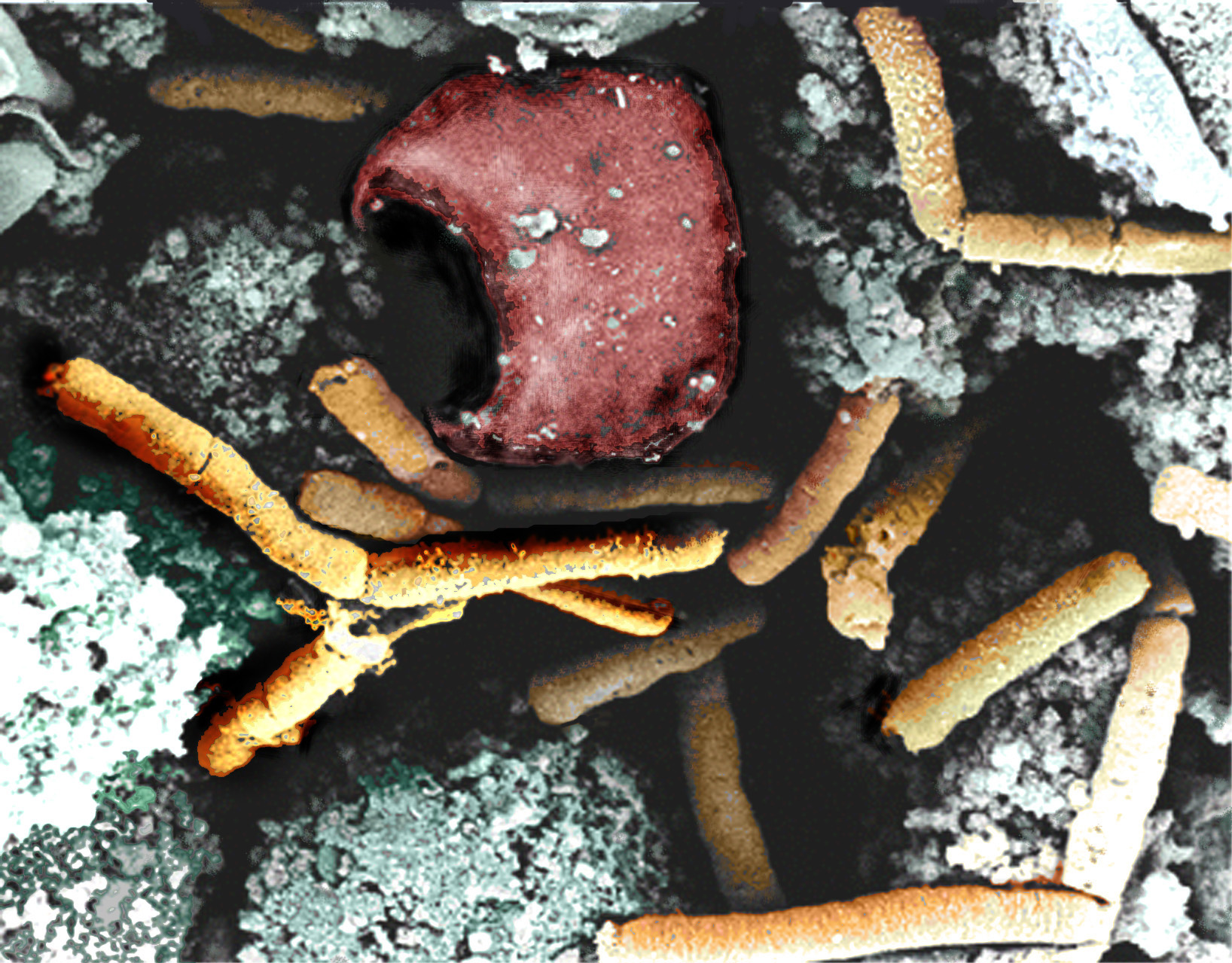
Pictured above: Anthrax Virus

Posted on — Leave a comment

Worst Fact About Hair

Daily Human Hair Growth Statistics

Single Strand Rate

  • Daily growth rate: ~1/60 inch (0.017 inches / 0.44 mm) per day
  • Monthly growth rate: ~0.5 inches (1.25 to 1.5 cm) per month

Cumulative Scalp Production

  • Average hair count: ~100,000 hair follicles
  • Daily cumulative length: 100,000 strands × 0.017 inches = ~1,700 inches per day
  • Converted total: ~141 feet (approx. 43 meters) of total hair grown per day
  • That works out to 9.75 miles per year or 15.7 kilometers per year.

More Weird Facts about Hair

  1. Incredible Tensile Strength:
    A single hair strand can support up to 100 grams (3.5 ounces) of weight. Theoretically, an entire head of healthy hair could support the weight of two adult elephants.
  2. Biological Record-Keeper:
    Hair shafts store chemical evidence of what has entered your bloodstream, including trace minerals, heavy metals, vitamins, and drugs. However, hair structure cannot reveal biological sex.
  3. Hidden Body Hair Density:
    The human body has roughly 5 million hair follicles—about the same density per square inch as a chimpanzee. Most human body hair consists of fine, nearly invisible “vellus” hair.
  4. Rarest Hair Color:
    Natural red hair occurs in only 1% to 2% of the global population. Black hair is the most common, accounting for 75% to 80% worldwide.
  5. Dead Shafts, Living Roots:
    The only living part of hair is the follicle root beneath the skin. Once hair emerges above the scalp, it consists entirely of dead, keratinized proteins.
  6. Invisible Loss Threshold:
    An individual can lose up to 50% of their scalp hair before thinning becomes visibly noticeable. Standard daily shedding averages 50 to 100 strands.
  7. Goosebumps Mechanism:
    Goosebumps occur when microscopic arrector pili muscles contract at follicle bases. In animals, this puffing up traps heat for insulation or creates a larger appearance to deter predators.
  8. Microscopic Inhabitants:
    Almost all adults host microscopic eight-legged Demodex folliculorum mites residing within eyebrow and eyelash follicles, feeding on sebum and dead skin cells.
Posted on — Leave a comment

Worst Fully-Functional Human Brain

A mathematics major with a higher than average IQ estimated at 126, and seemingly normal in every other way, was referred to a brain specialist because his head seemed a bit larger than normal. The brain specialist was amazed to find that the student had an extreme case of hydrocephalitis, also known as “water on the brain.” His brain cavity was mostly filled with fluid, not neurons. The cortex, the main thinking part of his brain, was merely a coating one twenty-fifth of an inch thick on the inside of his skull!

The case was documented in the late 1970s by Dr. John Lorber, a professor of pediatrics at the University of Sheffield in the UK, and was featured in a renowned 1980 Science article titled “Is Your Brain Really Necessary?”

Here is how the details break down:

The Student: A 26-year-old student at the University of Sheffield was referred to the campus doctor because his head was slightly larger than average. Despite having no neurological issues or symptoms, he had a tested IQ of 126, held a first-class honors degree in mathematics, and was socially normal.

The Brain Scan: When Dr. Lorber performed a CAT scan, he discovered that the student had severe hydrocephalus (excess cerebrospinal fluid in the brain). Instead of normal brain tissue filling the skull cavity, fluid-filled ventricles occupied over 90% to 95% of the space.

The Cortex: The student’s cerebral cortex was compressed into a thin layer measuring roughly 1 millimeter thick (approximately 1/25 of an inch) lining the inside of his skull, rather than the normal thickness of 4.5 centimeters (1.75 inches).

How Is This Possible?

While the case sounds unbelievable, researchers attribute it to neuroplasticity. Because the fluid build-up occurred very slowly during the student’s early childhood development, his brain was able to adapt. The thin layer of remaining cortical tissue reorganized itself and compensated, taking over the functions that a normal-sized brain typically performs.

Current Status of the Student

Because Dr. John Lorber maintained strict patient confidentiality, the student’s identity was never publicly revealed, so there are no public updates on his current personal life or career.

However, medical history does tell us a few key details about how his story unfolded:

  • Shunt Treatment: After the initial brain scan revealed his severe hydrocephalus in the late 1970s, Lorber installed a shunt (a small valve and tube system) to drain the excess fluid from his skull, relieving the pressure on his brain.
  • Follow-up Health: Reports from the time indicated that he tolerated the procedure well, maintained his high intellectual ability, and went on to live a normal, healthy life.
  • Ongoing Academic Debate: The student’s case became a classic textbook case study in neurology regarding neuroplasticity—the brain’s ability to compress, adapt, and reorganize itself when tissue damage or pressure occurs slowly over time.

While the individual stepped out of the spotlight to live a quiet life, his case remains one of the most famous examples in modern medicine of how remarkably adaptable the human brain can be.

Shown above: More common degrees of hydrocephalus

Posted on — Leave a comment

Most Embarrassing Way to Treat a Cow

Do not stick your finger in the nose of a cow, unless you are willing to violate one of the rules of the Professional Rodeo Cowboys Association.

Under the Professional Rodeo Cowboys Association (PRCA) rulebook, animal welfare and competition rules strictly regulate how competitors handle livestock. Specifically:

Animal Abuse Regulations: PRCA Rule 9.0 strictly forbids inhumane treatment, abusive handling, or poking sensitive areas of cattle, horses, or bulls. Sticking fingers into an animal’s eyes, ears, or nostrils – whether in the arena or in the chutes – violates animal welfare standards and carries steep fines or disqualification.

Steer Wrestling (Bulldogging): In steer wrestling, where a cowboy leaps from a horse onto a steer’s back to bring it down, the wrestler must use the steer’s horns and neck/jaw for leverage. Using nostrils or the mouth to twist or control the animal’s head is considered an illegal hold.

While the PRCA official rulebook uses broader legal and technical language regarding animal handling and legal wrestling holds rather than the colloquial sentence “Do not stick your finger in the nose of a cow,” doing so does indeed violate PRCA rules.

Posted on — Leave a comment

Worst Household Shedding

Humans shed a lot of skin, roughly 30,000 to 40,000 cells per minute.

Studies show that skin cells make up about 20% to 50% of household dust. The percentage can spike higher in specific localized spots (like inside mattress covers or on worn couches). The remaining majority of household dust is a mixture of outdoor and indoor debris, including:

Outdoor material: Soil minerals, sand, plant pollen, and outdoor pollution tracked in on shoes or blown in through windows.

Fibers: Clothing, carpet, furniture, and paper fibers.

Organic debris: Pet dander, insect parts, hair, and dust mite droppings.

Trace particles: Cooking soot and even microscopic space dust (micrometeorites).

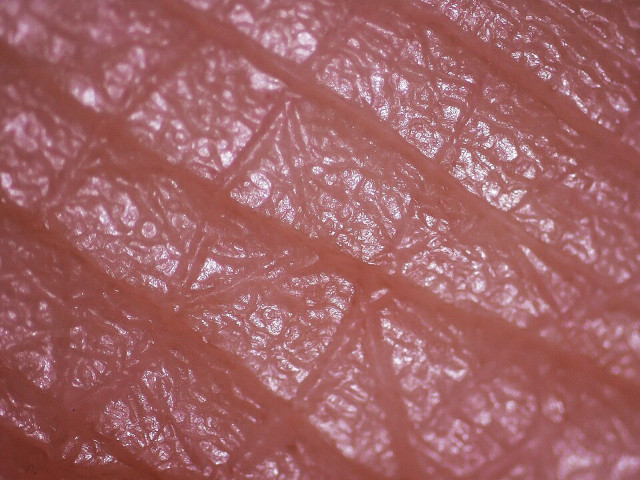
Shown above: Close view of skin of hand.