Posted on — Leave a comment

The Worst Plot Twist in Human Evolution

In 1995 your author stated,

“Professor Julian Jaynes has written a controversial book called The Origin of Consciousness in the Breakdown of the Bicameral Mind. In the book he hypothesizes that consciousness as we know it did not develop in man until about 2000 BC. Until then, we did not think introspectively, he says. In fact, people were probably more like modern-day schizophrenics, in whom there appear to be two minds. One, controlled by the left hemisphere of the brain takes actions, and the other, controlled by the right side, dreams and hears voices. For proof, Mr. Jaynes (he walked away from the title of Ph.D. although fully qualified) looks at ancient books including the Bible. In the Old Testament he says there is no mention of the subjective I, no introspective thinking, no sense of self. But in the later New Testament, the features of modern consciousness take shape.

“How could the pyramids and other construction take place then? Introspective thinking was not necessary, he asserts, just as you can drive a car without theorizing about how the car’s engine works.”

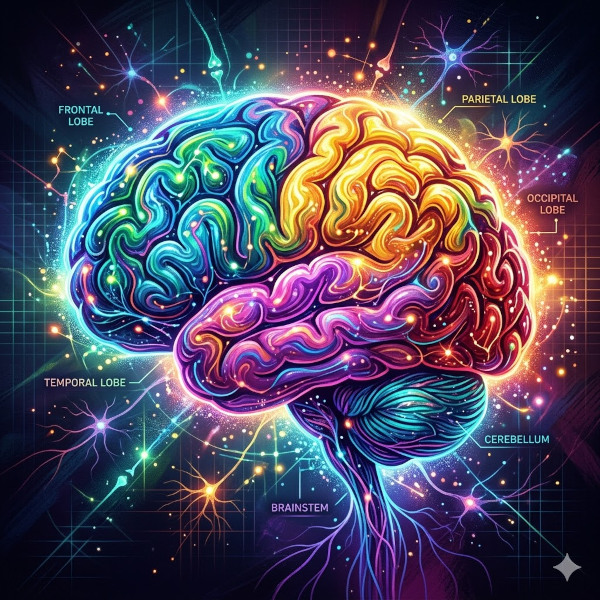
AI research has clarified the original statement about bicameral thinking

Yes, that summary is mostly true, accurately capturing the core premise and unique details of Julian Jaynes’s 1976 book, with a few subtle nuances:

Core Claims (Accurate to the Book)

The Thesis: Jaynes argued that human consciousness (defined specifically as subjective introspective self-awareness) evolved surprisingly late, around 1000–2000 BCE, driven by the collapse of ancient societies and the invention of writing.

The Bicameral Mind: He hypothesized that prior to this, human minds were split. When faced with stress or novel decisions, the brain’s right hemisphere generated auditory hallucinations, which the left hemisphere experienced as the literal “voice of the gods” directing their actions. He directly compared this state to modern auditory hallucinations in schizophrenia.

Textual Evidence: Jaynes analyzed ancient texts to track this shift. For example, he pointed out that the Iliad lacks words for internal mental states, with characters acting purely on impulse or divine command, whereas the Odyssey (written later) shows clear introspective thought and deceit. He drew a similar contrast between older and newer books of the Hebrew Bible.

Non-Conscious Complex Actions: Jaynes argued that complex routines—including architectural engineering, trade, and driving—do not require introspective consciousness, but rather learned habit, visual-spatial skill, and direct execution.

Clarifications & Nuances

Academic Title: Julian Jaynes never formally completed a Ph.D., though he completed the requirements at Yale (he delayed submitting his dissertation). He spent most of his academic career lecturing and researching as a Senior Research Psychologist at Princeton University.

Scientific Status: Jaynes’s theory remains highly controversial and is widely considered speculative within modern neuroscience, cognitive science, and evolutionary psychology, as mainstream science views consciousness as having evolved much earlier.
Posted on — Leave a comment

Worst Assumption about Mental Capacity and Women

Male human brains are about 10 percent heavier than female brains.

Across large-scale population studies and autopsy data, adult male human brains weigh roughly 10% to 12% more than adult female human brains:

Average Adult Male Brain: ~1,335 to 1,375 grams (~2.95 lbs)

Average Adult Female Brain: ~1,200 to 1,250 grams (~2.65 lbs)

Key Context:

Body Size Proportions: This absolute difference in weight is almost entirely driven by general differences in total body size and height between sexes. Larger bodies require larger neural structures to manage basic motor and sensory functions.

No Impact on Intelligence:

Absolute brain size within a species does not correlate with cognitive ability or intelligence. Female brains offset the mass difference with higher neuronal density in certain areas, higher proportions of gray matter relative to white matter, and greater cortical thickness.

Even the smallest brains can be remarkably complex and effective. Think of an ant. They can coordinate six legs, make decisions about where to go based on scent and other factors, know how to carry food back to the colony, and do all the things ants need to do, yet their brains are tiny specks.

Posted on — Leave a comment

Worst Hypnosis

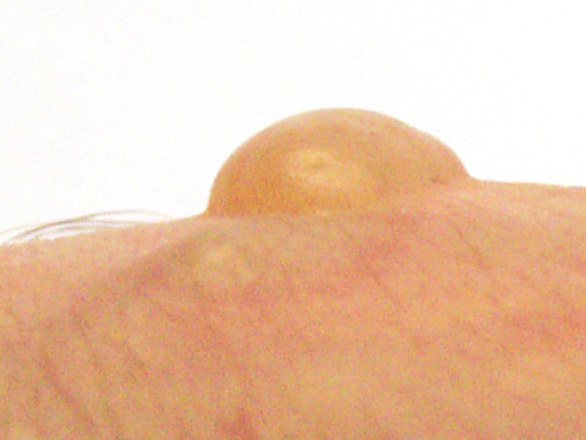
Hypnotized subjects have been made to form blisters on their skin simply from carefully worded suggestions.

Hypnotic Blister Formation: Fact or Fiction?

Verdict: Yes, with important caveats.

While it sounds like an urban legend, hypnotic blister formation—the production of real localized skin blisters or burn-like lesions through verbal suggestion alone—is a well-documented phenomenon in late 19th- and 20th-century psychosomatic research. However, modern science views these historical findings through a lens of strict methodology and skepticism.

What the Historical Cases Showed

Starting in the late 1800s (most notably by French researchers like Focachon and Jules Liégeois) and continuing into mid-20th-century studies, experimenters reported placing an unheated object—such as a coin or a cold piece of metal—on a deeply hypnotized subject’s skin. They would give a specific suggestion: “This object is glowing hot and will burn your skin.”

In documented trials, subjects frequently exhibited:

  • Localized vasodilation (intense redness and localized heat).
  • Localized edema (swelling) and fluid collection beneath the skin.
  • Full bullae (fluid-filled blisters containing sterile serum) that closely mimicked second-degree burns.

How Science Explains the Mechanism

The skin and the central nervous system share a common embryonic origin (the ectoderm) and remain tightly linked through the autonomic nervous system.

When a subject fully accepts a high-intensity hypnotic suggestion, the brain can trigger localized vascular changes. This includes dramatic changes in local blood flow, capillary permeability, and the release of inflammatory mediators (such as histamines, neuropeptides, and kinins). In simple terms, the mind initiates a localized inflammatory response—a severe nocebo effect—causing fluid to leak into the tissue and form a blister, even though no thermal energy touched the skin.

The Caveats and Modern Skepticism

While these experiments are cited in psychosomatic literature, modern researchers point to key limitations:

  1. Lack of Strict Controls (Historical Flaws): A critical review of early studies (such as Gordon L. Paul’s landmark 1963 paper, The Production of Blisters by Hypnotic Suggestion) noted that many early 20th-century trials lacked rigorous surveillance. In some unmonitored cases, subjects intentionally or unconsciously scratched, rubbed, or picked at the area under a bandage to satisfy the experimenter’s expectations.
  2. Variable Reproducibility: Blister formation only occurs in a tiny percentage of highly hypnotizable (“somnambulistic”) individuals. Replicating the effect under modern laboratory controls with continuous video surveillance has proven difficult, as many normal subjects fail to produce structural tissue changes from verbal suggestion alone.
  3. Ethical Constraints: Modern institutional review boards (IRBs) prohibit attempts to induce tissue damage or pain via psychological suggestion, preventing further rigorous trials today.

The Bottom Line

The claim is historically and scientifically true in documented instances, serving as an extreme example of the mind-body connection and autonomic nervous system control. However, it is an exceptionally rare response requiring an extraordinarily high level of hypnotic susceptibility, and historical reports likely include a mix of genuine psychogenic tissue changes and uncontrolled mechanical irritation.

Asthma and Hypnosis

For asthma sufferers: Scientists have proven that many sufferers can reduce or eliminate symptoms with self-hypnosis. Try to imagine or actually view a pleasant image, or imagine yourself in a situation where you are enjoying yourself and are symptom-free. It often works.

Posted on — Leave a comment

The Most Aggressive Part of Your Body

One out of every 100 cells in your body is for defense against disease. So if you weigh 150 pounds (68 kg), 1-1/2 pounds (680 grams) of you are for self-defense.

10 Interesting Facts About the Human Immune System

  1. It has a long-term memory.
    When the adaptive immune system encounters a pathogen, it creates specialized memory B and T cells. These cells can survive in the body for decades, recognizing the same pathogen if it returns and neutralizing it before you even feel sick—the core principle behind how vaccines work.
  2. Fevers are an intentional feature, not a system failure.
    Your brain intentionally raises your core body temperature during an infection. Higher temperatures speed up chemical reactions, accelerating immune cell activity while simultaneously making the body a hostile, high-heat environment for reproducing viruses and bacteria.
  3. It can trigger its own self-destruct mechanism.
    When immune cells called neutrophils encounter heavy pathogen loads, they perform NETosis. The cell explodes and expels its own DNA like a net, trapping and killing surrounding bacteria in a suicide maneuver that protects adjacent tissues.
  4. Your eyes are an “immune-privileged” zone.
    The immune system is largely restricted from entering the eyes. Because inflammatory responses like swelling could permanently damage delicate optical structures and cause blindness, the eyes use specialized physical barriers and immunosuppressive fluids to manage pathogens locally.
  5. Autoimmune diseases disproportionately affect women.
    Approximately 80% of all individuals with autoimmune diseases are female. Researchers attribute this primarily to the X chromosome—which carries a high concentration of immune-related genes—and the influence of estrogen on immune response regulation.
  6. Sleep deprivation rapidly shuts down natural killer cells.
    A single night of getting only four hours of sleep can reduce the activity of your Natural Killer (NK) cells—the front-line defenders against virally infected and cancerous cells—by up to 70%.
  7. It relies entirely on a secondary plumbing network.
    The immune system circulates white blood cells and drains cellular waste using the lymphatic system, a network of vessels containing clear fluid called lymph. Unlike blood, which is pumped by the heart, lymph has no central pump and relies on physical muscle movements and breathing to circulate.
  8. Over-reaction can be far more dangerous than the infection itself.
    In severe cases of viral or bacterial infections, the immune system can experience a cytokine storm. This occurs when an uncontrolled positive feedback loop causes immune cells to release massive amounts of signaling proteins, leading to widespread tissue damage, organ failure, and systemic inflammation.
  9. It kills thousands of potential cancer cells every day.
    Through a process called immune surveillance, T cells and NK cells constantly patrol the bloodstream and tissues, identifying and destroying mutated or abnormally dividing cells before they can establish tumors.
  10. Stress hormones actively dissolve immune tissue.
    Sustained high levels of cortisol (the body’s primary stress hormone) suppress immune function by causing the thymus gland—where T cells mature—to temporarily shrink, reducing the production of new immune cells during periods of chronic strain.

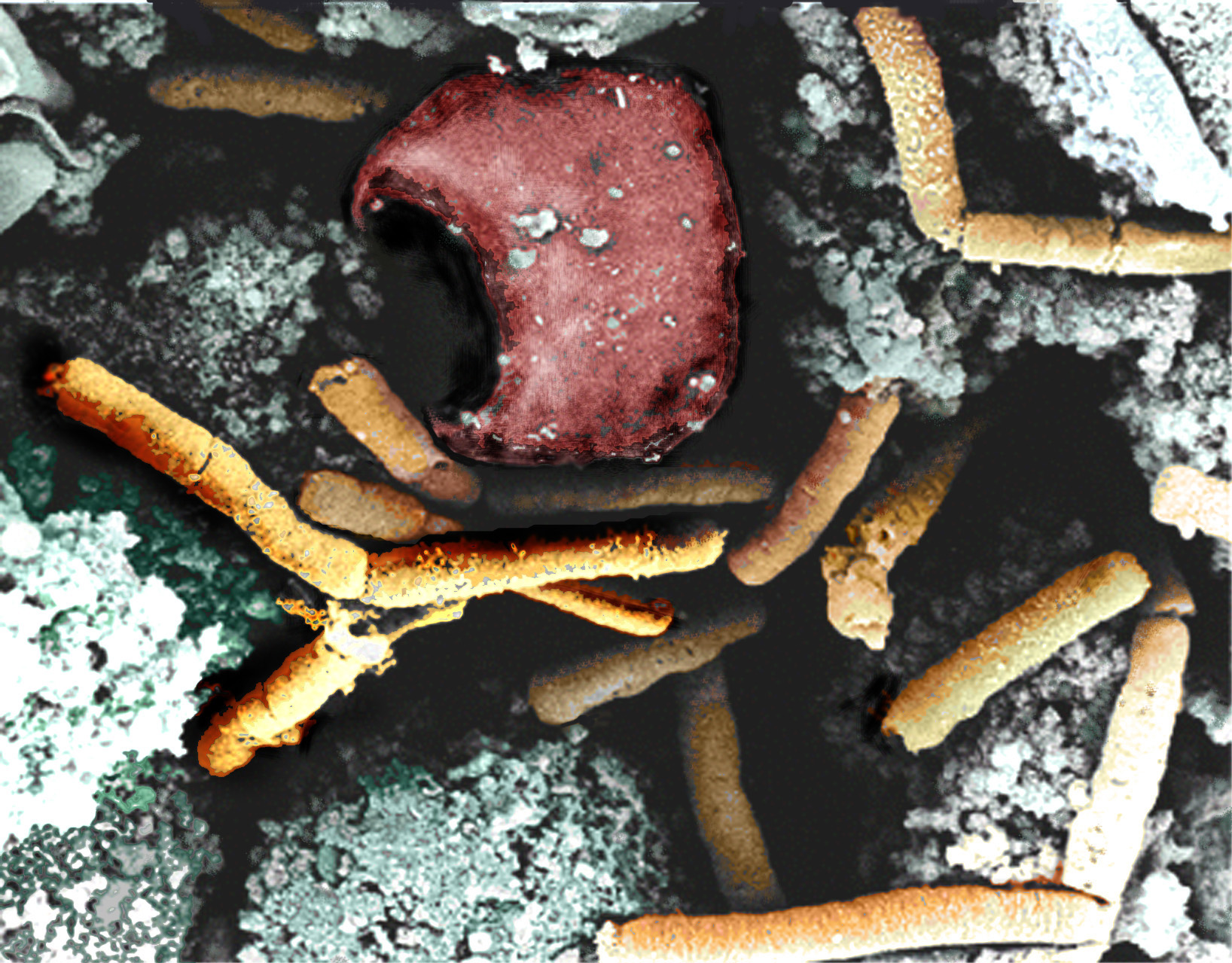
Pictured above: Anthrax Virus

Posted on — Leave a comment

Worst Fact About Hair

Daily Human Hair Growth Statistics

Single Strand Rate

  • Daily growth rate: ~1/60 inch (0.017 inches / 0.44 mm) per day
  • Monthly growth rate: ~0.5 inches (1.25 to 1.5 cm) per month

Cumulative Scalp Production

  • Average hair count: ~100,000 hair follicles
  • Daily cumulative length: 100,000 strands × 0.017 inches = ~1,700 inches per day
  • Converted total: ~141 feet (approx. 43 meters) of total hair grown per day
  • That works out to 9.75 miles per year or 15.7 kilometers per year.

More Weird Facts about Hair

  1. Incredible Tensile Strength:
    A single hair strand can support up to 100 grams (3.5 ounces) of weight. Theoretically, an entire head of healthy hair could support the weight of two adult elephants.
  2. Biological Record-Keeper:
    Hair shafts store chemical evidence of what has entered your bloodstream, including trace minerals, heavy metals, vitamins, and drugs. However, hair structure cannot reveal biological sex.
  3. Hidden Body Hair Density:
    The human body has roughly 5 million hair follicles—about the same density per square inch as a chimpanzee. Most human body hair consists of fine, nearly invisible “vellus” hair.
  4. Rarest Hair Color:
    Natural red hair occurs in only 1% to 2% of the global population. Black hair is the most common, accounting for 75% to 80% worldwide.
  5. Dead Shafts, Living Roots:
    The only living part of hair is the follicle root beneath the skin. Once hair emerges above the scalp, it consists entirely of dead, keratinized proteins.
  6. Invisible Loss Threshold:
    An individual can lose up to 50% of their scalp hair before thinning becomes visibly noticeable. Standard daily shedding averages 50 to 100 strands.
  7. Goosebumps Mechanism:
    Goosebumps occur when microscopic arrector pili muscles contract at follicle bases. In animals, this puffing up traps heat for insulation or creates a larger appearance to deter predators.
  8. Microscopic Inhabitants:
    Almost all adults host microscopic eight-legged Demodex folliculorum mites residing within eyebrow and eyelash follicles, feeding on sebum and dead skin cells.
Posted on — Leave a comment

Worst Fully-Functional Human Brain

A mathematics major with a higher than average IQ estimated at 126, and seemingly normal in every other way, was referred to a brain specialist because his head seemed a bit larger than normal. The brain specialist was amazed to find that the student had an extreme case of hydrocephalitis, also known as “water on the brain.” His brain cavity was mostly filled with fluid, not neurons. The cortex, the main thinking part of his brain, was merely a coating one twenty-fifth of an inch thick on the inside of his skull!

The case was documented in the late 1970s by Dr. John Lorber, a professor of pediatrics at the University of Sheffield in the UK, and was featured in a renowned 1980 Science article titled “Is Your Brain Really Necessary?”

Here is how the details break down:

The Student: A 26-year-old student at the University of Sheffield was referred to the campus doctor because his head was slightly larger than average. Despite having no neurological issues or symptoms, he had a tested IQ of 126, held a first-class honors degree in mathematics, and was socially normal.

The Brain Scan: When Dr. Lorber performed a CAT scan, he discovered that the student had severe hydrocephalus (excess cerebrospinal fluid in the brain). Instead of normal brain tissue filling the skull cavity, fluid-filled ventricles occupied over 90% to 95% of the space.

The Cortex: The student’s cerebral cortex was compressed into a thin layer measuring roughly 1 millimeter thick (approximately 1/25 of an inch) lining the inside of his skull, rather than the normal thickness of 4.5 centimeters (1.75 inches).

How Is This Possible?

While the case sounds unbelievable, researchers attribute it to neuroplasticity. Because the fluid build-up occurred very slowly during the student’s early childhood development, his brain was able to adapt. The thin layer of remaining cortical tissue reorganized itself and compensated, taking over the functions that a normal-sized brain typically performs.

Current Status of the Student

Because Dr. John Lorber maintained strict patient confidentiality, the student’s identity was never publicly revealed, so there are no public updates on his current personal life or career.

However, medical history does tell us a few key details about how his story unfolded:

  • Shunt Treatment: After the initial brain scan revealed his severe hydrocephalus in the late 1970s, Lorber installed a shunt (a small valve and tube system) to drain the excess fluid from his skull, relieving the pressure on his brain.
  • Follow-up Health: Reports from the time indicated that he tolerated the procedure well, maintained his high intellectual ability, and went on to live a normal, healthy life.
  • Ongoing Academic Debate: The student’s case became a classic textbook case study in neurology regarding neuroplasticity—the brain’s ability to compress, adapt, and reorganize itself when tissue damage or pressure occurs slowly over time.

While the individual stepped out of the spotlight to live a quiet life, his case remains one of the most famous examples in modern medicine of how remarkably adaptable the human brain can be.

Shown above: More common degrees of hydrocephalus

Posted on — Leave a comment

Growing Disgust

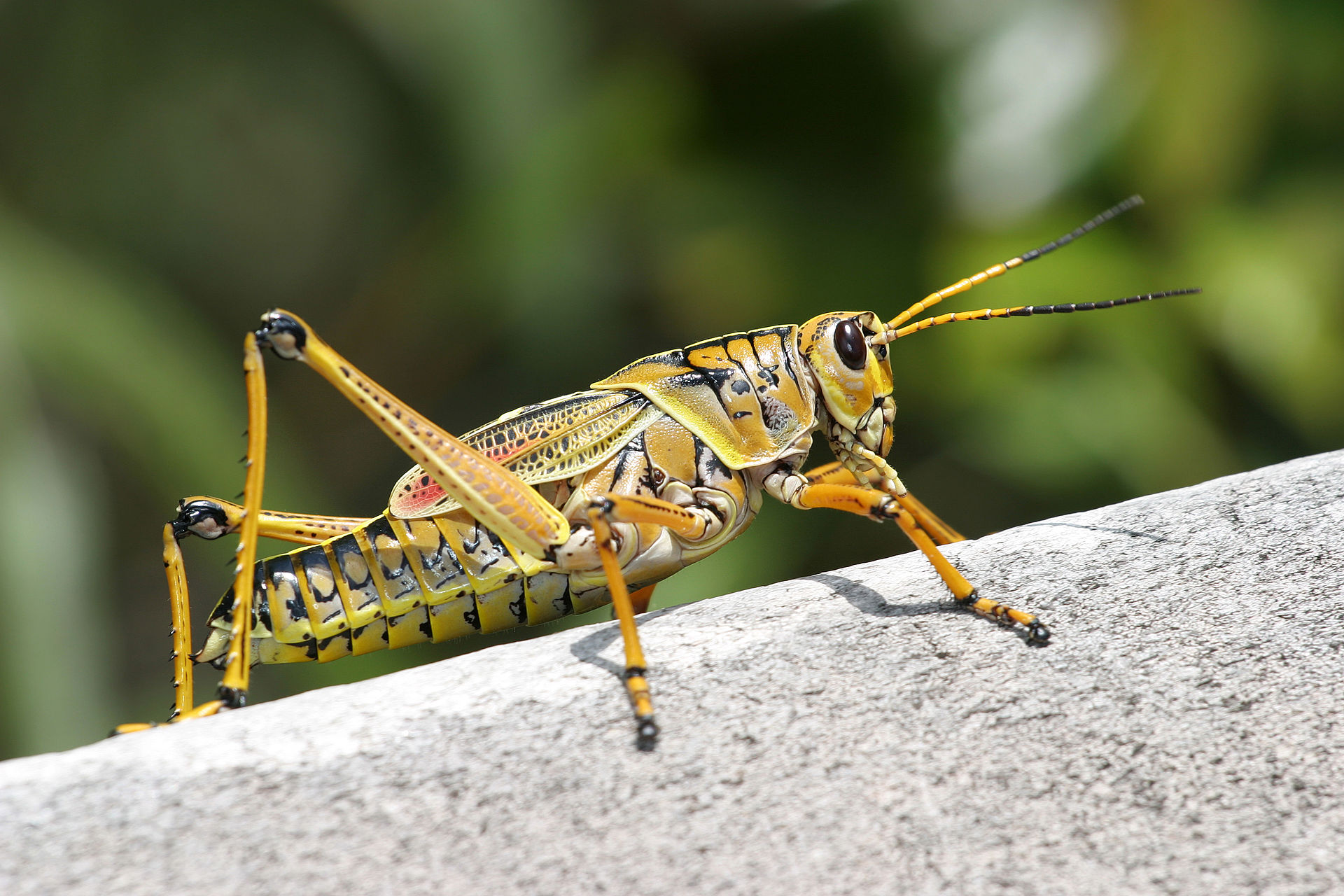
Infants are born without the emotion of disgust. It does not fully develop until age seven. As everyone knows children at age two will put everything in their mouths. Researchers put grasshoppers into milk glasses and offered them to five-year-olds. The kids took the grasshoppers out and drank the milk. By age seven, the kids understood the concept of contamination, and would not drink the milk.

The foundational research in this area was conducted by psychologist Dr. Paul Rozin and his colleagues at the University of Pennsylvania. Their experiments revealed key patterns in how disgust develops:

Inborn vs. Acquired Responses: Infants are born with a taste rejection for bitter or sour substances (distaste), but they do not have an innate sense of disgust—which is a culturally learned, higher-level cognitive emotion. Infants and young toddlers under age two frequently explore their environment by putting almost anything into their mouths, including insects, animal feces, and non-edible items.

The Contamination Principle: In developmental studies testing the concept of contagion, researchers presented young children with a favorite beverage (such as milk or juice) that had come into brief contact with a disgust-eliciting object (like a grasshopper, comb, or sterile hair).

Age Differences: Children under age five or six routinely removed the insect or object from the drink and happily drank the remaining liquid, seeing it as completely separate. They did not yet grasp the invisible concept of trace contamination (“once in contact, always in contact”).

Development Around Age Seven: It is typically between the ages of 5 and 7 that children fully acquire sensitivity to trace contamination. By around age seven, most children will refuse to drink a beverage if it has touched an offensive object—even after the object is completely removed.

Posted on — Leave a comment

Worst Management of Illegitimate Daughters

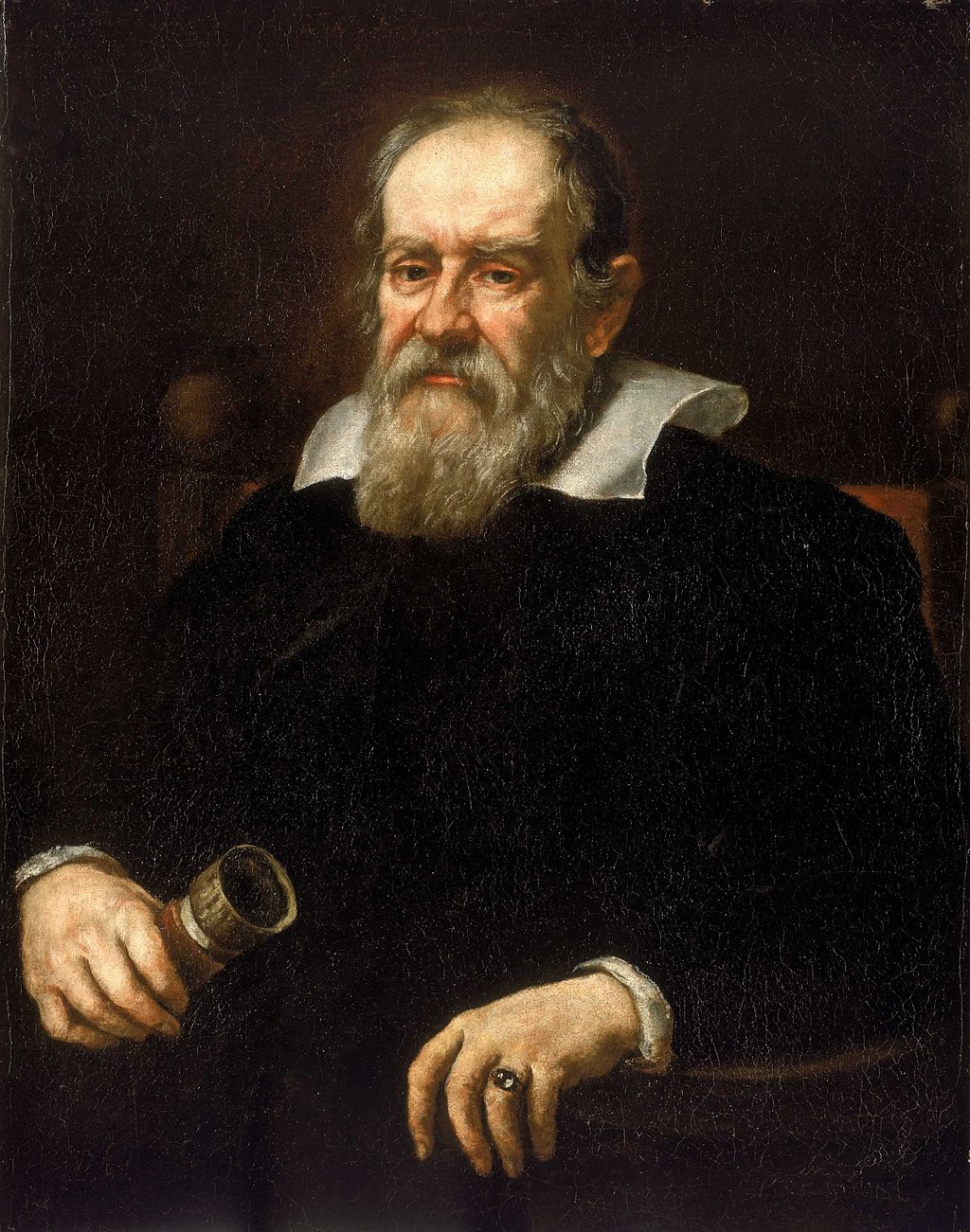
Galileo Galilei, the famous astronomer, had three children (Virginia, Livia, and Vincenzo) with his domestic partner Marina Gamba. Because they never married, the children were considered “illegitimate” under Roman Catholic law.

Due to their illegitimate status, marrying off his daughters with respectable dowries was exceedingly difficult in 17th-century Italian society. Consequently, Galileo arranged for both daughters to enter the San Matteo convent in Arcetri near Florence, where they became nuns (Sister Maria Celeste and Sister Arcangela).

More about Galileo

Galileo Was Also an Accomplished Musician

His father, Vincenzo Galilei, was a famous music theorist, composer, and lutenist who taught Galileo to play. Galileo’s younger brother, Michelagnolo Galilei, became a renowned professional lutenist and composer. (Interestingly, Galileo’s own son, Vincenzo, also played the lute!)

He Wanted to Become a Catholic Priest

As a young man, Galileo seriously considered joining the priesthood, but his father encouraged him to enroll in medical school at the University of Pisa instead. Galileo lost interest in medicine and shifted his focus to mathematics and natural philosophy.

1. He Didn’t Invent the Telescope, but He Transformed It

Dutch eyeglass makers invented the telescope in 1608. When Galileo heard of the device, he built his own without ever seeing the Dutch design, improving its magnification from 3x to 30x and turning it toward the night sky.

2. He Named Jupiter’s Moons as a Career Move

In 1610, Galileo discovered Jupiter’s four largest moons. Seeking financial patronage, he named them the “Medicean Stars” in honor of his former student, Cosimo II de’ Medici, who then hired him as official mathematician to the Medici family.

3. He Accidentally Observed Neptune 230 Years Early

While tracking Jupiter’s moons in late 1612 and early 1613, Galileo recorded a faint, dark dot next to the planet. Modern calculations show this was Neptune, though Galileo mistook it for a dim star.

4. The Famous Leaning Tower of Pisa Drop Probably Never Happened

The popular story of Galileo dropping cannonballs off the Leaning Tower of Pisa to test gravity is widely considered a legend written by his secretary decades later. Galileo actually proved his theory by rolling balls down inclined ramps.

5. He Was a University Dropout

Galileo’s father sent him to study medicine at the University of Pisa, but he became obsessed with mathematics instead. He dropped out in 1585 without a degree, yet his brilliance was so apparent that the university hired him four years later as Chair of Mathematics.

6. He Was a Master Inventor Beyond Astronomy

Beyond telescopes, Galileo invented a thermoscope (a precursor to the thermometer), a hydrostatic balance for measuring density, and a military proportional compass for calculating artillery trajectories.

7. He Tried to Measure the Speed of Light

Galileo suspected light was not instantaneous. He designed an experiment using covered lanterns on distant hilltops at night to measure light’s speed, though the speed of light was far too fast for human reaction times to detect.

8. His Middle Finger Is on Display in a Museum

Nearly a century after his death, admirers moving his body to a grand tomb removed several bones. Today, three of his fingers, a tooth, and a vertebra are preserved, with his middle finger on display at the Museo Galileo in Florence.

Posted on — Leave a comment

Worst Food

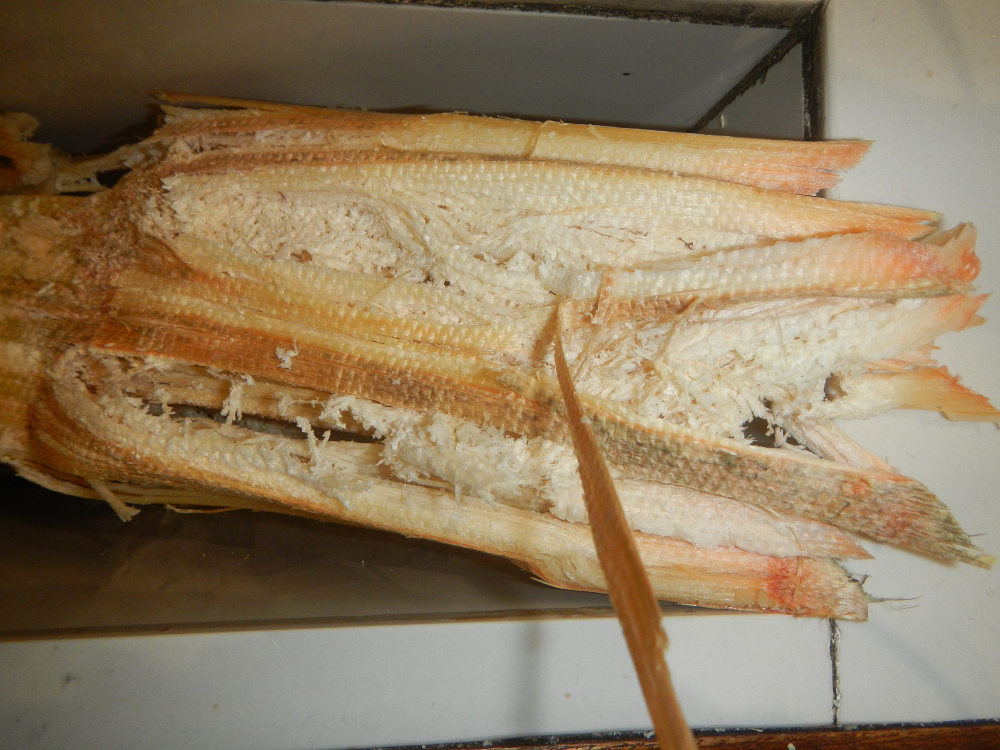
Sugar Cane

Julie Andrews sang in Mary Poppins, “Just a spoonful of sugar helps the medicine go down.” In fact, for one minor ailment, sugar is the medicine. According to one doctor who set up carefully controlled laboratory tests, swallowing a teaspoonful of dry sugar is the best way to stop hiccups. Note: In the case of many other, serious ailments, sugar is the cause.

10 Surprising Facts About How Sugar Affects Your Health

  1. It Triggers the Same Reward Pathways as Addictive Substances
    Eating added sugar triggers a massive release of dopamine in the brain’s reward center (the nucleus accumbens). Over time, frequent high-sugar intake can downregulate dopamine receptors, requiring larger amounts of sugar to achieve the same feeling—a key hallmark of chemical tolerance and craving loops.
  2. It Causes a Specific Type of Fat Accumulation Around the Liver
    Unlike glucose, which every cell in the body can use for fuel, fructose (a major component of table sugar and high-fructose corn syrup) is processed almost exclusively by the liver. Excess fructose gets converted directly into fat, which accumulates in liver cells and can lead to Non-Alcoholic Fatty Liver Disease (NAFLD).
  3. It Accelerates Skin Aging via “Glycation”
    When excess sugar circulates in the blood, it attaches to proteins and fats in a process called advanced glycation end-products (AGEs). AGEs damage collagen and elastin—the structural proteins that keep skin firm and springy—causing premature wrinkles and sagging.
  4. It Increases Heart Disease Risk Independent of Body Weight
    Even in individuals who are not overweight, a high-sugar diet significantly increases cardiovascular mortality. A landmark 15-year study showed that people who consumed 17% to 21% of their daily calories from added sugar had a 38% higher risk of dying from heart disease compared to those keeping it under 10%.
  5. It Suppresses the Hormone That Signals You Are Full
    High consumption of added fructose can lead to resistance to leptin, the hormone produced by fat cells that tells your brain when you are full. Leptin resistance tricks the brain into thinking the body is starving, leading to overeating and continuous hunger.
  6. It Silently Promotes Systemic Low-Grade Inflammation
    Excessive sugar intake drives the production of inflammatory cytokines and increases C-reactive protein (CRP) levels in the blood. Chronic internal inflammation is an underlying driver for autoimmune conditions, joint degeneration, and arterial wall damage.
  7. It Starves Beneficial Gut Microbes
    Diets heavy in refined sugars feed pathogenic bacteria and yeasts (such as Candida) in the gut while starving beneficial microbes that thrive on fiber. This dysbiosis damages the intestinal mucosa, impairs nutrient absorption, and negatively impacts gut-brain communication.
  8. It Accelerates Cellular Aging (Telomere Shortening)
    Consuming sugar-sweetened beverages is associated with shorter telomeres—the protective caps on the ends of chromosomes. Shorter telomeres indicate faster biological aging at a cellular level, similar to the cellular damage caused by smoking.
  9. It Increases Risk of Kidney Stones and Chronic Kidney Disease
    Excess fructose raises uric acid levels in the blood, which can crystallize into painful kidney stones. High blood sugar also stresses the glomeruli (tiny filtering units in the kidneys), increasing the risk of chronic kidney damage over time.
  10. It Triggers Highs and Lows in Daily Energy and Mood
    Simple sugars break down rapidly into glucose, causing a rapid spike in blood sugar followed by an overproduction of insulin. This creates a dramatic blood sugar “crash” (reactive hypoglycemia), which frequently causes brain fog, irritability, fatigue, and anxiety within hours of consumption.

Reducing sugar, and starch which is turned into sugar by digestion, has been known to cure many ailments including diabetes and high blood pressure.

Posted on — Leave a comment

Worst Cookies

In 1973, Velma Anstadt, a 10th-grade student from Turbotville, Pennsylvania, made national news by baking and serving protein-rich “earthworm cookies”.

The Experiment: To demonstrate alternative, highly nutritious, low-cost protein sources to combat food shortages, Anstadt harvested earthworms, thoroughly washed and dried them, ground them into a powder/flour, and incorporated them into chocolate chip cookie dough.

The Result: Her project won top honors at local and regional science fairs, subsequently qualifying her to present her work at the 26th International Science and Engineering Fair. The story gained widespread media attention at the time as a novelty example of entomophagy (and invertebrate consumption) for human nutrition.

10 Surprising Facts About Earthworms

  1. They Have 5 “Hearts”
    Earthworms don’t have a single heart like humans do. Instead, they have five pairs of muscular arches called aortic arches that pump blood through their circulatory system.
  2. They Breathe Through Their Skin
    Earthworms have no lungs. They absorb oxygen and release carbon dioxide directly through their skin. To make this work, their skin must remain moist at all times; if an earthworm dries out, it suffocates.
  3. Every Earthworm Has Both Male and Female Organs
    Earthworms are hermaphrodites. Each worm possesses both male and female reproductive structures. However, they still usually need a partner to mate, exchanging sperm to fertilize each other’s eggs.
  4. They Can Eat Their Own Body Weight Every Day
    In rich soil conditions, an earthworm can consume and process its own weight in soil, decaying leaves, and organic matter every 24 hours.
  5. Their Digestion Creates “Black Gold” for Soil
    When earthworms digest organic material, their excretions—called worm castings—are rich in nitrogen, phosphorus, potassium, and magnesium. Castings serve as a powerful natural fertilizer, while worm tunnels aerate soil and help retain water.
  6. They Can Live for Up to 8 Years
    While most wild earthworms die early due to predators (like birds and moles) or drying out, some species can live for 4 to 8 years under safe, ideal conditions.
  7. Cutting One in Half Doesn’t Make Two
    Contrary to popular belief, if you cut an earthworm in half, it will not become two living worms. Only the head end might survive and regenerate its tail if the cut occurs behind vital organs. The tail portion cannot grow a new head and will die.
  8. Giant Earthworms Can Reach 10 Feet Long
    The Giant Gippsland earthworm (Megascolides australis), native to Australia, averages around 3 feet long but can grow to over 9 to 10 feet in length and can be as thick as a human thumb.
  9. They Are Covered in Microscopic Bristles
    Earthworms aren’t completely smooth; they are covered in tiny, hair-like bristles called setae. They anchor these bristles into the surrounding dirt to push and pull themselves forward through the soil.
  10. They Are Not All Native to North America
    Glaciers wiped out native earthworm populations across northern North America thousands of years ago. Most common species found in gardens today, such as nightcrawlers (Lumbricus terrestris), were accidentally introduced by European settlers in plant soil and ships’ ballast.