Posted on — Leave a comment

Worst Thing to Give to Children

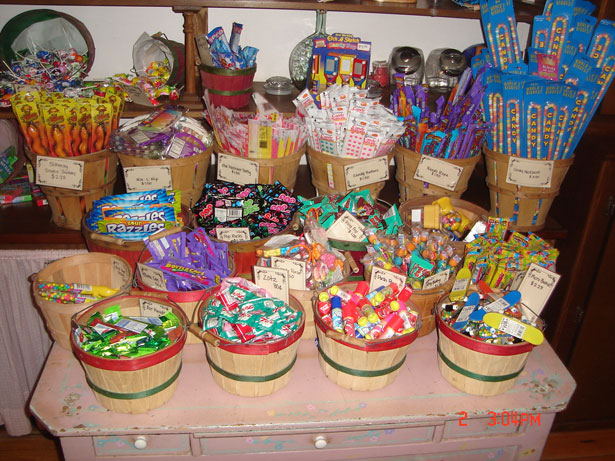
If you filled trucks with all the candy American kids eat in one year, they would line up bumper to bumper from San Diego to San Francisco.

Sugar is highly addictive. Some have said it’s more addictive than cocaine. Speaking of cocaine, some have said that overcoming an addition to sugar is even more difficult than an addition to cocaine.

Sugar is strongly implicated in numerous scientific studies covering a wide range of diseases from high blood pressure to cancer and especially diabetes.

The number of children and young adults afflicted with diabetes and blood pressure has skyrocketed since the increase of sugar in the standard American diet.

Starchy foods aren’t much better. If you eat bread, pies, cake or anything of that sort, your digestive process converts it to sugar.

Soft drinks have an amazing 10 or more teaspoons of sugar dissolved in every can.

What about fruit juice? Nope, not good either. Although natural juices don’t contain sucrose – table sugar – fruit sugars without their roughage are nearly as deadly.

Yeah, deadly. The problem is most people don’t recognize sugar as deadly because it isn’t a quick acting poison. People don’t eat a fudge brownie and fall over dead. It’s insidious because the death cames slowly yet painfully, usually, but not always after 40 or more years.

How about sugar substitutes? Things like corn syrup or honey have the same effect as other types of sugar.

However, there are two products that can satisfy in the same way as sugar, yet they are not sugars and contain no calories. Those are stevia and monk fruit.

You’ll find stevia often served in little packets in restaurants and cafes where the management is trying to think of their patrons’ health. If you read the small print on the packets of stevia, you may be shocked to discover the actual amount of stevia is slight. The packet mostly contains fillers such as Erythritol. Some manufacturers even mix their stevia with dextrose or sucrose – sugar.

Why would they do that? Because stevia is 200 to 300 times sweeter than table sugar. Although rare, you can buy pure stevia on Amazon and elsewhere. You would be amazed at how little is needed to sweeten a food or beverage.

The taste of stevia or monk fruit is so close to sugar that if you use it as a sugar substitute, children will not detect the difference, but they are likely to live longer and healthier.

As one who has overcome a sugar addiction, it wasn’t as hard as they say, I have noticed that I have more consistent energy. I used to get suddenly tired, sometimes even dizzy after short bursts of exertion. For instance, I might have to sit out every other game of pickleball. Now, I can play for hours at a time with no sugar bonk.

Posted on — Leave a comment

Worst Rejection

Sometimes when we are rejected, we become dejected. When that happens, see if you can continue with one foot in front of the other, as Albert Einstein did.

In 1905 Albert Einstein wrote his famous Special Theory of Relativity. It was published in a scientific journal that same year, but took many years to gain general acceptance. In fact, it was not proven by actual experiment until 25 years later. This paper, entitled “Does the Inertia of a Body Depend Upon Its Energy Content?” is where E=mc² first appeared.

Two years after that paper was published, Einstein wanted a job as assistant professor of mathematics. This job required the applicant to submit a thesis paper, so Einstein submitted his Special Theory of Relativity. The university rejected it.

Einstein was a late talker and didn’t start speaking until he was almost 4 years old. Some say he couldn’t speak in full sentences until he was 9 years old.

He was a talented musician and could play the violin and piano. He often played music to help him think.

He had a poor memory for names and often forgot people he had met.

Einstein was a vegetarian and even wrote an essay called “The Ethics of Diet.”

He had a love for sailing and owned a sailboat named Tümmler which is German for porpoise.

Einstein was a smoker, but quit later in life after suffering from heart problems.

Einstein was offered a position in the Swiss Patent Office while he was trying to find a job as a teacher.

Einstein had a daughter named Lieserl who was born out of wedlock and was given up for adoption.

He was a pacifist and spoke out against war and violence.

Einstein was an avid letter-writer and wrote over 14,000 letters in his lifetime.

He was a fan of detective novels and even created his own detective, called Dr. René Belloq.

Einstein’s brain was preserved after his death for scientific study.

He had a close friendship with Charlie Chaplin and they often played music together.

Einstein was offered the position of Prime Minister of Israel, but declined.

He was a supporter of civil rights and spoke out against racism.

Einstein was an early member of the NAACP.

He was a fan of the philosopher Spinoza and even wrote a book about him.

Posted on — Leave a comment

Worst Way of Eating

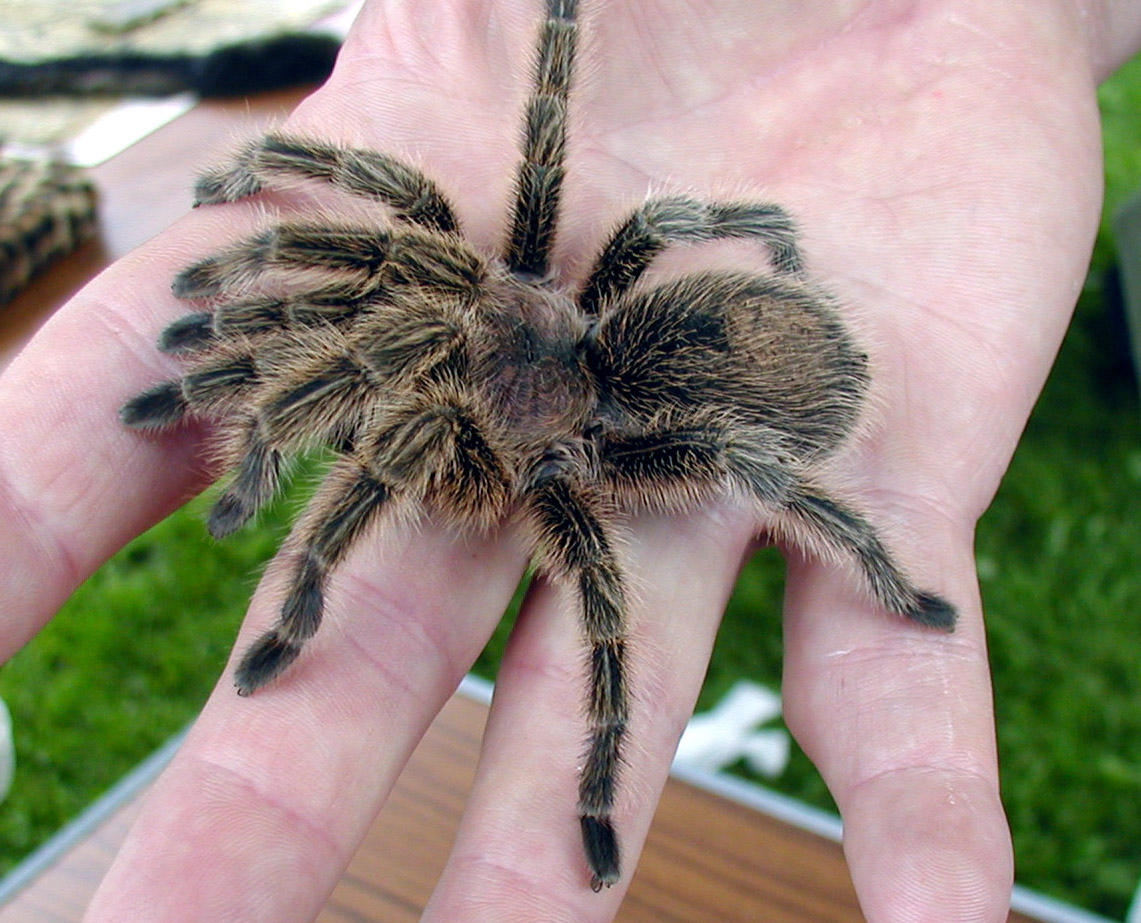
Spiders inject their victims with a chemical that dissolves them. Then the spiders drink their lunch with their mouths which are soda straw-like. A tarantula can totally liquefy a mouse.

More Unexpected Information About Spiders

Some Spiders Cartwheel Away from Danger

The golden wheel spider (Carparachne aureoflava) of the Namib Desert escapes predatory pompilid wasps by flipping on its side, curling its legs, and cartwheel-rolling down sand dunes at speeds of up to 44 turns per second.

They Eat Their Own Webs to Recycle Silk

Spider silk is made of complex protein chains that require significant energy to produce. To conserve resources, many orb-weaver spiders tear down their webs every night and eat the silk, digesting the amino acids to spin brand-new webs the next day.

Vegetarian Spiders Actually Exist

Out of over 50,000 known spider species, Bagheera kiplingi—a species of jumping spider found in Central America—is almost entirely vegetarian. Up to 90% of its diet consists of specialized nutrient-rich buds (Beltian bodies) harvested from acacia trees.

They Hydraulic-Pump Their Legs Instead of Using Muscles

Spiders don’t use opposing muscle pairs to extend their legs like mammals do. Instead, they rely on a hydraulic system, pumping hemolymph (blood) into their limbs to force them outward. When a spider dies, its hydraulic system loses pressure, causing its legs to curl inward.

Sub-Aquatic Spiders Live Underwater in Air Bubbles

The diving bell spider (Argyroneta aquatica) spends almost its entire life under freshwater lakes and ponds. It spins a bell-shaped silk web underwater and traps air bubbles from the surface, creating an aquatic “diving bell” that functions like an artificial gill to absorb oxygen from the surrounding water.

Some Spiders Mimic Ants to Avoid Being Eaten

Myrmecarachne jumping spiders use myrmecomorphy (ant mimicry) to deter predators like birds and wasps, which usually avoid aggressive, bad-tasting ants. These spiders hold their front two legs in the air to resemble ant antennae and walk in frantic, ant-like zig-zags.

The Huntsman Spider Can Creep Through Cardboard-Thin Gaps

Despite having a leg span reaching up to 12 inches (30 cm), giant huntsman spiders have uniquely flattened bodies and specialized hip joints. This allows their legs to extend sideways rather than vertically, enabling them to squeeze into crevices no thicker than a coin.

Their Blood is Blue

Unlike human blood, which uses iron-based hemoglobin to transport oxygen and turns red, spider blood uses a copper-based protein called hemocyanin. When exposed to oxygen, spider blood turns a pale translucent blue.

Peacock Spiders Perform Elaborate Dance Routines

Male peacock spiders (Maratus) engage in intricate courtship displays that rival tropical birds. They raise their iridescent, colorful abdominal flaps, wave their legs in complex patterns, and vibrate their bodies in rhythmic beats to court females—who will promptly eat them if the dance isn’t impressive enough.

Spider Silk Is Stronger Than Steel and Tougher Than Kevlar

Weight for weight, dragline spider silk is roughly five times stronger than high-grade steel and significantly tougher than Kevlar. It can stretch to over 30% of its length without snapping, allowing it to absorb high-impact energy without breaking.

Posted on — Leave a comment

Most Annoying Disease

Have you ever had the disease, acute nasopharyngitis? That is the common cold. It may be less serious than many other diseases, but it certainly makes the most people temporarily miserable.

It Isn’t Just One Virus—It’s Over 200

The “common cold” isn’t a single illness; it is an umbrella term for infections caused by more than 200 different viruses. Rhinoviruses are responsible for about 30% to 50% of cases, but coronaviruses, adenoviruses, and enteroviruses can all produce identical symptoms.

Your Own Immune System Causes the Symptoms, Not the Virus

The runny nose, sore throat, and sneezing aren’t direct damage caused by the virus itself. They are the result of your immune system releasing inflammatory chemicals (like histamines and cytokines) to fight off the invader.

Being Cold Doesn’t Directly Give You a Cold

Mom was slightly off: going outside with wet hair or without a jacket won’t magically spawn a virus. However, cold, dry air does weaken the immune defenses inside your nasal passages and allows cold viruses to replicate more efficiently in chilled nasal tissues.

You Can Spread It Before You Even Feel Sick

You can shed the virus and infect others roughly 24 hours before your first symptom appears. You remain contagious for up to a week, usually peaking during the first 2–3 days of feeling sick.

Cold Viruses Can Survive for Hours on Surfaces

Rhinoviruses can live on hard surfaces like door handles, light switches, and phone screens for up to 24 hours. If you touch a contaminated surface and then touch your eyes, nose, or mouth, you can contract the virus without anyone coughing directly on you.

You spent Years of Your Life Sick

The average adult catches 2 to 3 colds per year, while children can catch 6 to 8. Given that an average cold lasts about 7 to 10 days, the average human spends between 1 and 2 full years of their life dealing with cold symptoms.

Chicken Soup Actually Has Scientific Backing

It’s not just comfort food: laboratory studies show that chicken soup acts as a mild anti-inflammatory by inhibiting the movement of neutrophils (white blood cells that trigger inflammation). The warm vapor also speeds up mucus clearance in the nasal passages.

A Single Sneeze Can Travel 100 MPH

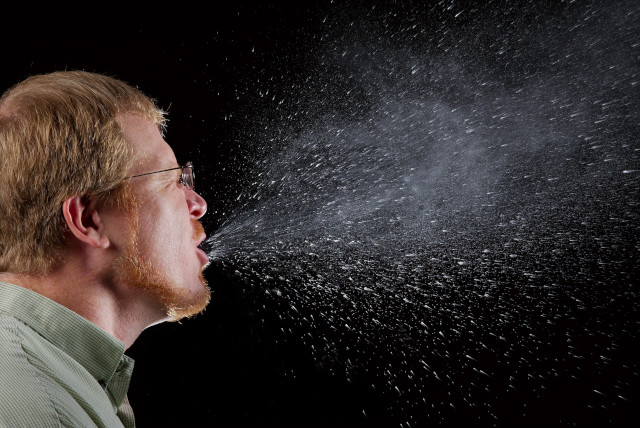
A forceful sneeze can propel up to 40,000 microscopic fluid droplets into the air at speeds up to 100 miles per hour, spreading viral particles across a distance of over 20 feet.

Space Travel Suppresses Cold Viruses… Until You Return

Astronauts rarely get colds while aboard the International Space Station because the environment is isolated from outside germs. However, the stress of re-entry and spaceflight can temporarily suppress the immune system, leaving astronauts particularly susceptible to colds upon landing back on Earth.

Echinacea and Vitamin C Won’t Stop a Cold in Its Tracks

Despite being multi-million-dollar industry staples, extensive scientific reviews show that taking Vitamin C or Echinacea after symptoms start does not significantly shorten or cure a cold. Regular Vitamin C intake before getting sick only slightly reduces symptom duration in high-stress athletes.

Posted on — Leave a comment

Worst Breathing

Puppies have lungs. Goldfish have gills. Many species of shrimp breathe with their legs. Snapping turtles have two ways of getting their oxygen. They have lungs and they can absorb oxygen from water with their rectums.

Here are 10 weird facts about snapping turtles:

They Can Lure Fish Using a Built-in “Worm”

Alligator snapping turtles have a tiny, pink, worm-like appendage on the tip of their tongue. They sit motionlessly on the bottom of a river with their mouths wide open, wriggling their tongue to mimic a worm. When an unsuspecting fish swims in to grab a meal, the turtle snaps its jaws shut in milliseconds.

They Are Too Big for Their Own Shells

Unlike most turtles that can pull their heads, legs, and tails completely inside their shells for protection, snapping turtles have a much smaller underside shell (plastron). Because they can’t hide in their shell, evolution made them aggressive and defensive on land instead.

Their Shells Are Living Ecosystems

Because snapping turtles spend so much time sitting still in muddy, dark water, algae easily grows on their backs. In older alligator snapping turtles, their shells can become mini-ecosystems covered in algae, moss, small invertebrates, and leech colonies, providing built-in camouflage that makes them look like submerged logs.

More About Breathing Through Their Rear Ends

When lakes freeze over in winter, snapping turtles hibernate under the ice in muddy riverbeds. Since they can’t surface to breathe air, they survive using a process called extrapulmonary respiration—specifically, absorbing oxygen from the water through vascularized tissue in their cloaca (their rear opening).

They Can Survive for Months Without Oxygen

During winter brumation (reptile hibernation) under ice-covered water, common snapping turtles can go up to 100 days without taking a single breath of air or consuming oxygen, relying on specialized metabolic adaptations to survive extreme cold and oxygen deprivation.

Their Bite Strength is Often Overrated, But Still Dangerous

Despite urban legends claiming snapping turtles can easily sever human broomsticks or legs, a common snapping turtle’s jaw force is around 200–600 Newtons—similar to a human’s strong bite. However, an alligator snapping turtle can exceed 1,000 Newtons of force, which is easily powerful enough to break bones or sever fingers.

Nest Temperature Decides the Babies’ Sex

Like many reptiles, snapping turtles exhibit Temperature-Dependent Sex Determination (TSD). If the eggs in the nest are incubated at lower or higher extreme temperatures, they develop into females. Intermediate temperatures around 20°C to 26°C (68°F–79°F) produce predominantly males.

They Are Gentle Giants in Water, But Terrors on Land

Snapping turtles are notorious for being aggressive, but this behavior only happens on land where they feel exposed and vulnerable. When submerged in water, snapping turtles are surprisingly shy and docile, usually choosing to swim away or hide in the mud rather than attack humans.

They Are Prehistoric “Living Fossils”

Ancestors of modern snapping turtles have been around for over 90 million years, meaning they roamed the earth alongside T. rex and Triceratops. Their physical design has remained largely unchanged for tens of millions of years because it is so effective.

They Can Live for Over a Century

Snapping turtles are extremely long-lived. While their average lifespan in the wild is around 30 to 50 years, alligator snapping turtles can live well over 100 years, with some unverified estimates suggesting they can reach up to 150 years of age.

Posted on — Leave a comment

Worst Assumption Ever

Before testing the first atomic bomb, some of the scientists working on the Manhattan Project did their best to calculate what might happen. They estimated there was a three percent chance the bomb would set the entire world’s atmosphere on fire, instantly killing us all. They went ahead and tested the bomb.

Facts About the Manhattan Project

It Was Named After an Office in New York

The project was originally designated the “Development of Substitute Materials.” To maintain secrecy, it was renamed the Manhattan Engineer District (and later the Manhattan Project) because its initial headquarters were located at 270 Broadway in Manhattan, New York.

It Was Initiated by a Letter Signed by Albert Einstein

In August 1939, concerned that Nazi Germany might develop nuclear weapons, physicists Leo Szilard and Eugene Wigner drafted a letter to President Franklin D. Roosevelt warning him of the danger. They persuaded Albert Einstein to sign it, which directly led to the U.S. government establishing what would become the Manhattan Project.

It Was Larger and More Expensive Than Most Realize

At its peak, the project employed over 130,000 people and cost roughly $2 billion at the time (equivalent to over $30 billion today). It was one of the largest industrial and secret scientific endeavors in history.

It Spanned Dozens of Sites Across North America

While Los Alamos, New Mexico, hosted the secret laboratory responsible for bomb design, key research and production facilities spanned the continent:

Oak Ridge, Tennessee: Uranium enrichment plants.

Hanford, Washington: Plutonium production reactors.

Chalk River, Ontario: Canadian heavy water research support.

A Secret City Consumed 10% of the Nation’s Electricity

Oak Ridge, Tennessee—built entirely from scratch in secret—became the fifth largest city in the state during the war. Its massive uranium enrichment facilities consumed approximately 10% of all electrical power produced in the United States at the time.

The Silver from Fort Knox

Due to wartime copper shortages, the project borrowed over 14,000 tons of pure silver from the U.S. Treasury to make electrical wiring for electromagnets used in uranium separation. All of the silver was melted down, drawn into wire, used, and eventually returned to the Treasury after the war with virtually none lost.

Soviet Spies Infiltrated the Highest Levels

Despite extreme compartmentalization and security protocols, several scientists and technicians passed critical technical details to the Soviet Union. Key spies included Klaus Fuchs, Theodore Hall, and David Greenglass, which significantly accelerated the USSR’s own atomic bomb development after WWII.

“Calutron Girls” Operated High-Tech Equipment Without Knowing What It Did

Thousands of young women, mostly high school graduates, were hired at Oak Ridge to operate Calutrons (devices used to enrich uranium). They were trained purely to monitor dials and adjust switches, remaining completely unaware of the facility’s purpose until the bombs were dropped in 1945.

The First Bomb Was Named “Gadget”

The world’s first nuclear detonation—the Trinity Test on July 16, 1945, near Alamogordo, New Mexico—used a plutonium implosion device affectionately nicknamed “Gadget.” Scientists were so uncertain of the outcome that Fermi famously took bets on whether it would ignite the Earth’s atmosphere (though calculations proved this impossible).

The Scientists Wore Sunglasses for the First Atomic Blast

During the Trinity Test, observers were instructed to lie face down with their feet toward the blast and cover their eyes. Many scientists, including Richard Feynman, chose to watch through dark welding goggles or behind heavily tinted glass; Feynman famously sat inside a truck windshield, arguing the glass would block the UV radiation.

Speaking of scientists run amok, you might find this interesting: Yelling At Chickens.