Posted on — Leave a comment

Worst Advice for the Preservation of Health

From a book written in 1858:

Of course this advice is mostly wrong but some is surprisingly accurate.

“Rules for the preservation of health: Pure atmospheric air is composed of nitrogen, oxygen, and a very small proportion of carbonic acid gas. Air once breathed has lost the chief part of its oxygen, and acquired a proportionate increase of carbonic acid gas. Therefore, health requires that we breath the same air once only.

The solid part of our bodies are continually wasting, and requires Continue reading Worst Advice for the Preservation of Health
Posted on — Leave a comment

Worst Bicycling Experience

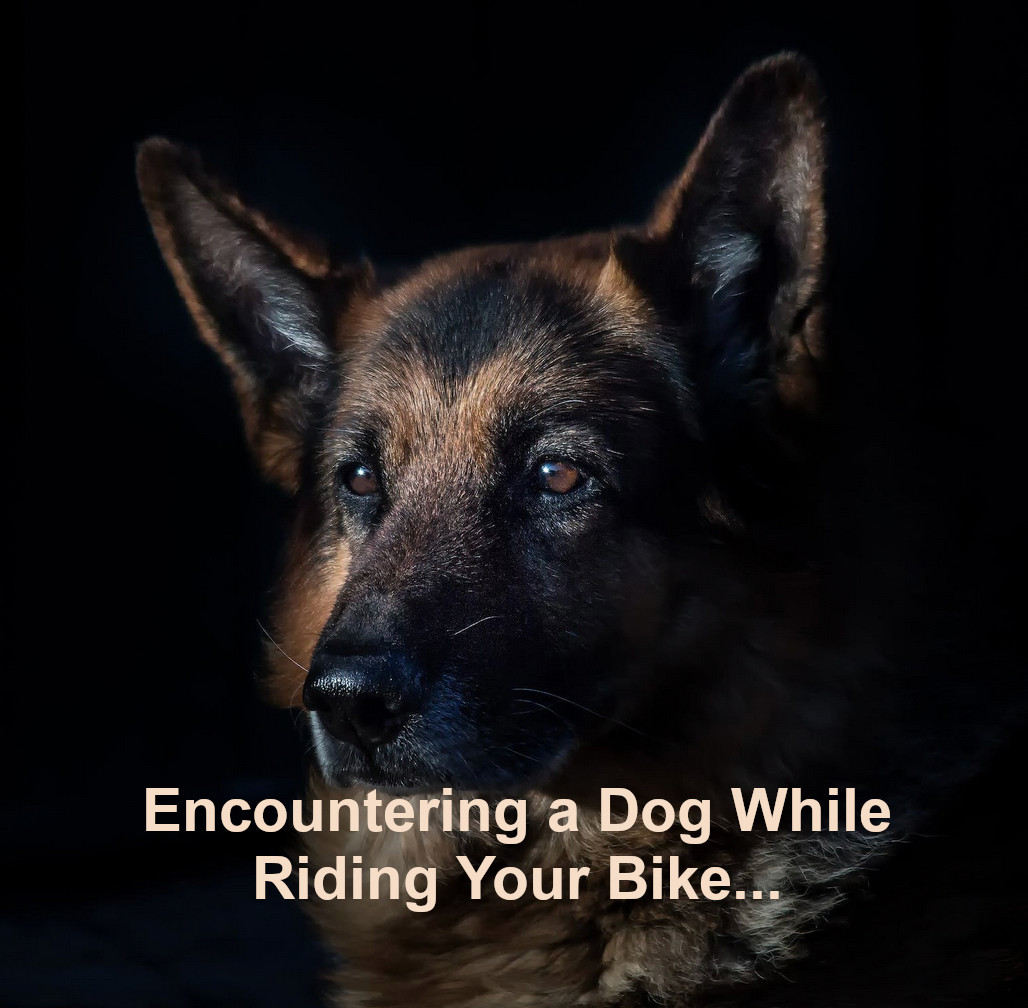
Some will tell you the worst thing that can happen while riding your bike is being chased by a dog. If that happens, here’s what to do:

1. Slow down or stop. There’s no fun for the dog in chasing something that isn’t moving.

2. In a deep voice, firmly order the dog to “go home.” They often will, but in any case, you’re making it clear who’s in charge and that you do not approve of their current behavior.

3. Get off the bike and place it between you and the dog. It’s a fence to protect you, and if necessary, you can press it against the dog in self-defense.

4. Yell for help. The owner will most likely take control as soon as your plight is discovered.

5. If you encounter the same dog frequently, contact your local animal control agency. In most neighborhoods, it’s illegal to let dogs run loose and bother people.

Posted on — Leave a comment

Worst Household Shedding

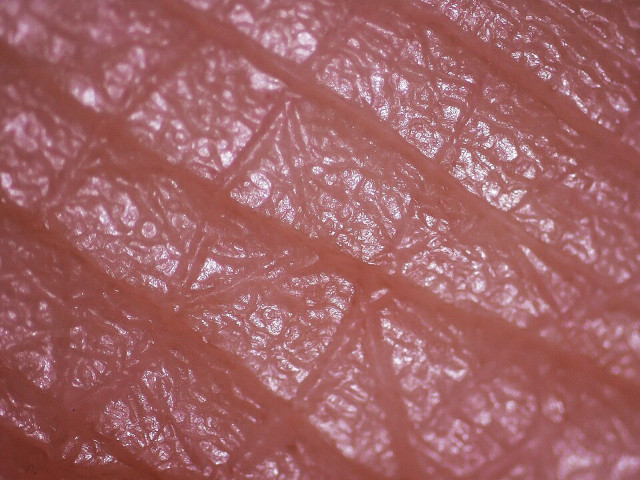
Humans shed a lot of skin, roughly 30,000 to 40,000 cells per minute.

Studies show that skin cells make up about 20% to 50% of household dust. The percentage can spike higher in specific localized spots (like inside mattress covers or on worn couches). The remaining majority of household dust is a mixture of outdoor and indoor debris, including:

Outdoor material: Soil minerals, sand, plant pollen, and outdoor pollution tracked in on shoes or blown in through windows.

Fibers: Clothing, carpet, furniture, and paper fibers.

Organic debris: Pet dander, insect parts, hair, and dust mite droppings.

Trace particles: Cooking soot and even microscopic space dust (micrometeorites).

Shown above: Close view of skin of hand.

Posted on — Leave a comment

Worst Dog Breeding

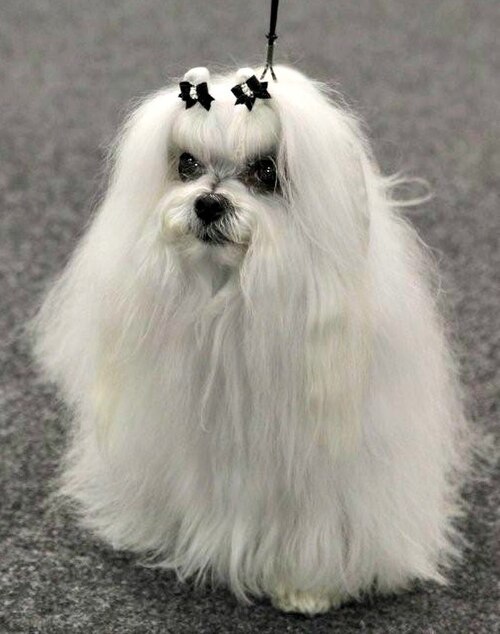
Many breeds of dogs are the result of human intervention. By selective breeding, the dogs have been made cuter. Very little dogs and pug-nosed dogs may have been bred too far into their specialty. The problem is with their teeth. It seems that their teeth have not decreased in size as much as their mouths, and when these teeth grow in, they come in all crooked. These crooked teeth trap food particles and eventually cause extreme decay and periodontal disease.

You can actually brush a dog’s teeth, and should, to help spare them the pain of mouth problems. To do it, start when the dog is quite young, and put your finger in their mouths and rub their teeth while playing with them. They will get used to this, and you can eventually substitute a toothbrush for your fingers. Don’t use human toothpaste, which is designed to be spit out. Use a small amount of baking soda.

Posted on — Leave a comment

Worst Thing About Pit Bulls

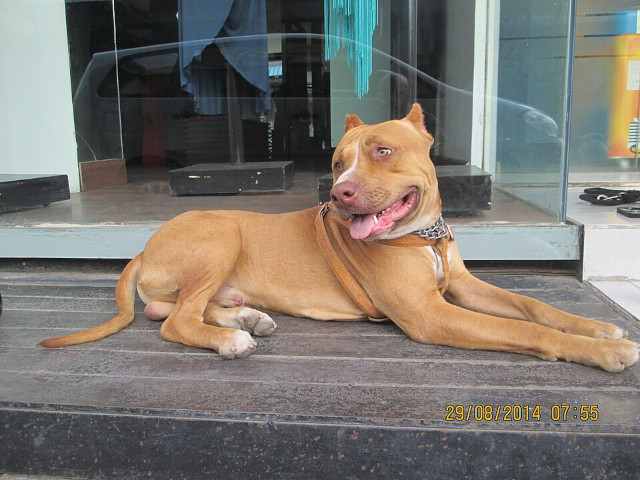
Pit Bulls, the breed of dogs which are mostly lovey, even-tempered pets, are sometimes bred to be vicious. Because of these rare badly-trained dogs, all pit bulls may be outlawed in England, meaning all of them in that country could be sentenced to death. There are 5,256,000 pitbulls in the United States, and approximately 9 million in England.

More about Pit Bulls

  1. “Pit Bull” Isn’t Actually a Single Breed
    The term “pit bull” is an umbrella label used to describe several distinct, distinctively built breeds descending from bulldogs and terriers. This category primarily includes the American Pit Bull Terrier, the American Staffordshire Terrier, the Staffordshire Bull Terrier, and the American Bully.
  2. They Once Earned the Title of “Nanny Dogs”
    In the early 20th century, pit bulls were widely celebrated in popular culture for their gentle, protective nature around children. Their patience and affection earned them a reputation as family guardians, leading to the affectionate nickname “Nanny Dog.”
  3. They Were America’s Military & Cultural Mascots
    During World War I and World War II, pit bulls represented American bravery, loyalty, and determination on recruitment posters and wartime campaigns. Their likeness was regularly used to embody national strength and patriotic duty.
  4. Sergeant Stubby Was a Highly Decorated WWI War Hero
    Sergeant Stubby, a pit bull mix, served on the Western Front during World War I. He survived being wounded, alerted troops to incoming mustard gas attacks, located injured soldiers in no-man’s-land, and caught a enemy spy, earning official promotion to Sergeant and national fame.
  5. The “Locking Jaw” Myth Is Completely False
    A persistent urban legend claims pit bulls possess a special physical locking mechanism in their jaws. Studies by veterinary anatomists have proven that their jaw structure is identical to that of any other dog breed; they simply possess strong jaw muscles, as do many large working dogs.
  6. They Excel in Temperament Testing
    In evaluations conducted by the American Temperament Test Society (ATTS), pit bull breeds consistently score higher than many popular family breeds, including Golden Retrievers and Chihuahuas. American Pit Bull Terriers frequently achieve pass rates near 87%.
  7. A Pit Bull Was One of Early Hollywood’s Biggest Stars
    Petey the Pup from the famous 1920s and 30s short comedy series Our Gang (later known as The Little Rascals) was an American Pit Bull Terrier named Pal the Wonder Dog, famous for the natural ring marking around his eye.
  8. They Were the First Dog to Cross America by Automobile
    In 1903, a pit bull named Bud accompanied Dr. Horatio Nelson Jackson and Sewall K. Crocker on the first successful transcontinental trip across the United States in a motor car. Bud wore custom goggles to protect his eyes from dust along the unpaved roads.
  9. They Don’t Have a Naturally Aggressive Disposition Toward Humans
    Historically bred to work closely alongside human handlers, pit bulls were selectively bred to be exceptionally friendly and submissive toward people, making human aggression an unnatural trait in properly socialized dogs of the breed line.
  10. They Excel as Search and Rescue & Therapy Dogs
    Due to their high athletic drive, intelligence, resilience, and affection for humans, many pit bulls excel as working dogs in law enforcement detection, search-and-rescue teams, and certified hospital therapy programs.