Posted on — Leave a comment

Most Embarrassing Way to Treat a Cow

Do not stick your finger in the nose of a cow, unless you are willing to violate one of the rules of the Professional Rodeo Cowboys Association.

Under the Professional Rodeo Cowboys Association (PRCA) rulebook, animal welfare and competition rules strictly regulate how competitors handle livestock. Specifically:

Animal Abuse Regulations: PRCA Rule 9.0 strictly forbids inhumane treatment, abusive handling, or poking sensitive areas of cattle, horses, or bulls. Sticking fingers into an animal’s eyes, ears, or nostrils – whether in the arena or in the chutes – violates animal welfare standards and carries steep fines or disqualification.

Steer Wrestling (Bulldogging): In steer wrestling, where a cowboy leaps from a horse onto a steer’s back to bring it down, the wrestler must use the steer’s horns and neck/jaw for leverage. Using nostrils or the mouth to twist or control the animal’s head is considered an illegal hold.

While the PRCA official rulebook uses broader legal and technical language regarding animal handling and legal wrestling holds rather than the colloquial sentence “Do not stick your finger in the nose of a cow,” doing so does indeed violate PRCA rules.
Posted on — Leave a comment

Worst Way to Market a Sparrow

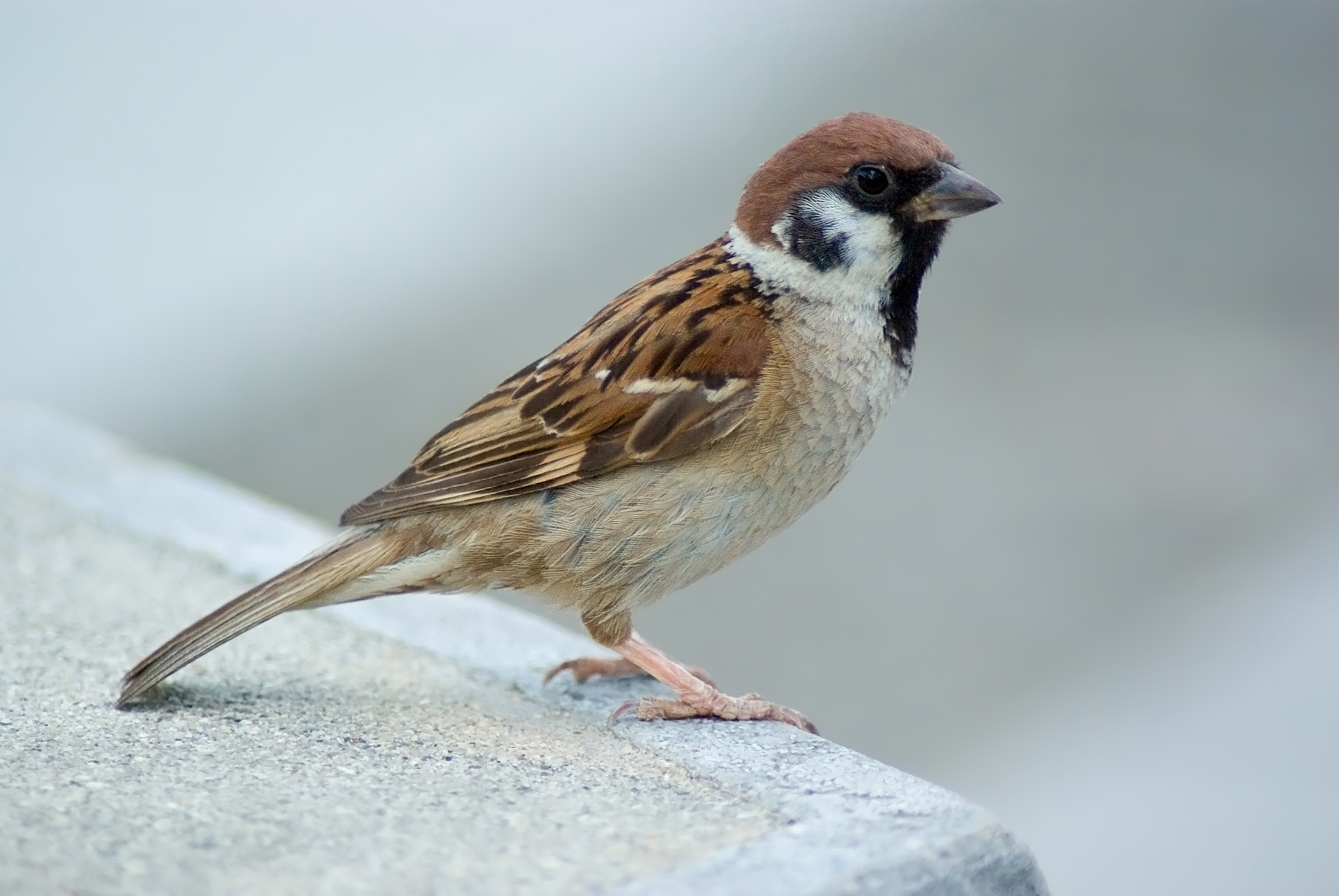
In Harper Woods, Michigan, it is against the law to paint a sparrow and claim it’s a parakeet.

Facts About Sparrows

  1. Global Presence: Sparrows are found on almost every continent in the world, except for Antarctica. They are one of the most widespread and adaptable bird species on Earth.
  2. Fast Fliers: Despite their small size, house sparrows usually fly at a speed of around 24 miles per hour (38 km/h). When necessary, they can reach speeds up to 31 miles per hour (50 km/h)!
  3. Dust and Water Baths: Sparrows love to keep clean by taking water baths, but they are also famous for taking “dust baths.” They dig small holes in dry soil and throw dirt over their feathers to clean off parasites.
  4. Highly Social Birds: Sparrows are very gregarious and live in colonies. They nest, forage, and protect themselves together, often communicating using a wide variety of chirps and calls.
  5. Close Relationship with Humans: House sparrows (Passer domesticus) have evolved alongside humans for thousands of years. They rarely inhabit dense forests or deserts, preferring urban, suburban, and agricultural areas near human settlements.
  6. Adaptable Diet: While their natural diet consists mostly of seeds, grains, and insects, sparrows are opportunistic eaters. In urban environments, they easily adapt to eating food scraps left behind by humans.
  7. High Heart Rate: Sparrows have a incredibly fast metabolism. When a sparrow is at rest, its heart beats around 460 to 800 times per minute, which can spike even higher during flight or stress. By comparison human hearts usually beat at around 50 to 90 beats per minute.
  8. Faithful Partners: Many sparrow species are monogamous and tend to pair for life. Both male and female parents actively share responsibilities like building the nest, incubating eggs, and feeding the chicks.
  9. Non-Migratory (Mostly): Most sparrow species do not migrate long distances for winter. Instead, they stay in the same general region year-round, braving the cold by fluffing up their feathers to trap warm air.
  10. Symbolic Meaning: Throughout history, sparrows have held cultural significance. In ancient Greece, they were associated with Aphrodite, the goddess of love, symbolizing devotion and connection. In other cultures, they represent protection, joy, and simplicity.
Posted on — Leave a comment

Worst Meal

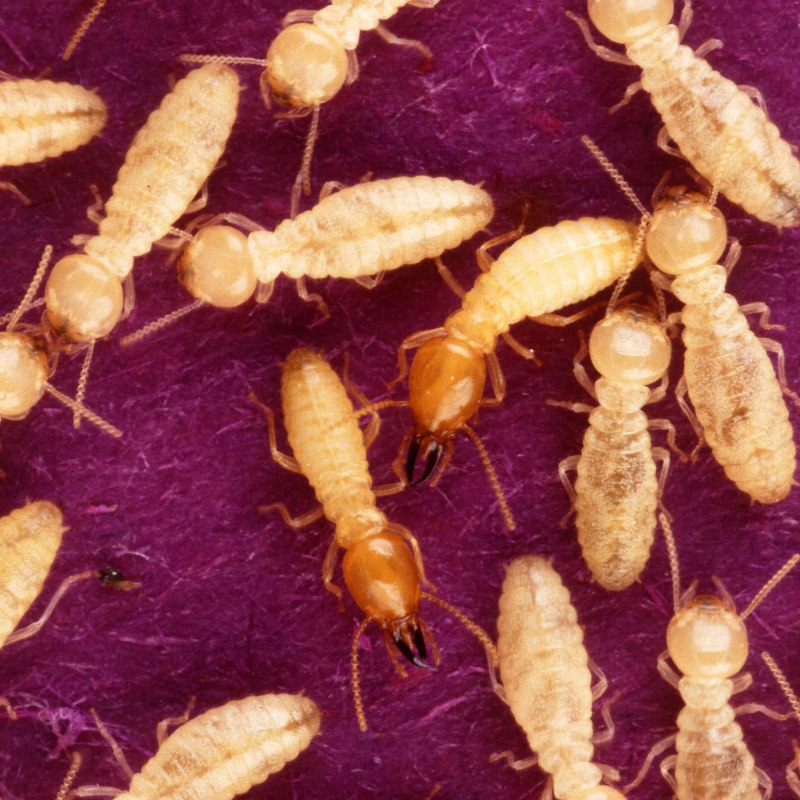
Roasted termites are a traditional food and a recognized delicacy across many regions of Sub-Saharan Africa, including parts of West, Central, and Southern Africa.
Details & Preparation

Cultural Significance: Termites—specifically the large winged reproductive termites (often called alates or kunturu, chintowe, or madzhulu depending on the region)—emerge in massive swarms at the start of the rainy season. Harvesting them is often a seasonal event celebrated by communities.

Preparation: After being collected, their wings are removed. They are typically dry-roasted in a pan or fried in their own natural oils, often seasoned simply with salt. Once roasted, they become crunchy and are eaten as a snack or served over porridge (such as ugali or sadza).

Taste Profile: Roasted termites are frequently described as having a rich, nutty, and slightly buttery flavor.

Many people in Laos would think you were crazy if you refused to eat giant water bugs.

Posted on — Leave a comment

Worst Cookies

In 1973, Velma Anstadt, a 10th-grade student from Turbotville, Pennsylvania, made national news by baking and serving protein-rich “earthworm cookies”.

The Experiment: To demonstrate alternative, highly nutritious, low-cost protein sources to combat food shortages, Anstadt harvested earthworms, thoroughly washed and dried them, ground them into a powder/flour, and incorporated them into chocolate chip cookie dough.

The Result: Her project won top honors at local and regional science fairs, subsequently qualifying her to present her work at the 26th International Science and Engineering Fair. The story gained widespread media attention at the time as a novelty example of entomophagy (and invertebrate consumption) for human nutrition.

10 Surprising Facts About Earthworms

  1. They Have 5 “Hearts”
    Earthworms don’t have a single heart like humans do. Instead, they have five pairs of muscular arches called aortic arches that pump blood through their circulatory system.
  2. They Breathe Through Their Skin
    Earthworms have no lungs. They absorb oxygen and release carbon dioxide directly through their skin. To make this work, their skin must remain moist at all times; if an earthworm dries out, it suffocates.
  3. Every Earthworm Has Both Male and Female Organs
    Earthworms are hermaphrodites. Each worm possesses both male and female reproductive structures. However, they still usually need a partner to mate, exchanging sperm to fertilize each other’s eggs.
  4. They Can Eat Their Own Body Weight Every Day
    In rich soil conditions, an earthworm can consume and process its own weight in soil, decaying leaves, and organic matter every 24 hours.
  5. Their Digestion Creates “Black Gold” for Soil
    When earthworms digest organic material, their excretions—called worm castings—are rich in nitrogen, phosphorus, potassium, and magnesium. Castings serve as a powerful natural fertilizer, while worm tunnels aerate soil and help retain water.
  6. They Can Live for Up to 8 Years
    While most wild earthworms die early due to predators (like birds and moles) or drying out, some species can live for 4 to 8 years under safe, ideal conditions.
  7. Cutting One in Half Doesn’t Make Two
    Contrary to popular belief, if you cut an earthworm in half, it will not become two living worms. Only the head end might survive and regenerate its tail if the cut occurs behind vital organs. The tail portion cannot grow a new head and will die.
  8. Giant Earthworms Can Reach 10 Feet Long
    The Giant Gippsland earthworm (Megascolides australis), native to Australia, averages around 3 feet long but can grow to over 9 to 10 feet in length and can be as thick as a human thumb.
  9. They Are Covered in Microscopic Bristles
    Earthworms aren’t completely smooth; they are covered in tiny, hair-like bristles called setae. They anchor these bristles into the surrounding dirt to push and pull themselves forward through the soil.
  10. They Are Not All Native to North America
    Glaciers wiped out native earthworm populations across northern North America thousands of years ago. Most common species found in gardens today, such as nightcrawlers (Lumbricus terrestris), were accidentally introduced by European settlers in plant soil and ships’ ballast.
Posted on — Leave a comment

Worst Bicycling Experience

Some will tell you the worst thing that can happen while riding your bike is being chased by a dog. If that happens, here’s what to do:

1. Slow down or stop. There’s no fun for the dog in chasing something that isn’t moving.

2. In a deep voice, firmly order the dog to “go home.” They often will, but in any case, you’re making it clear who’s in charge and that you do not approve of their current behavior.

3. Get off the bike and place it between you and the dog. It’s a fence to protect you, and if necessary, you can press it against the dog in self-defense.

4. Yell for help. The owner will most likely take control as soon as your plight is discovered.

5. If you encounter the same dog frequently, contact your local animal control agency. In most neighborhoods, it’s illegal to let dogs run loose and bother people.

Posted on — Leave a comment

Worst Household Shedding

Humans shed a lot of skin, roughly 30,000 to 40,000 cells per minute.

Studies show that skin cells make up about 20% to 50% of household dust. The percentage can spike higher in specific localized spots (like inside mattress covers or on worn couches). The remaining majority of household dust is a mixture of outdoor and indoor debris, including:

Outdoor material: Soil minerals, sand, plant pollen, and outdoor pollution tracked in on shoes or blown in through windows.

Fibers: Clothing, carpet, furniture, and paper fibers.

Organic debris: Pet dander, insect parts, hair, and dust mite droppings.

Trace particles: Cooking soot and even microscopic space dust (micrometeorites).

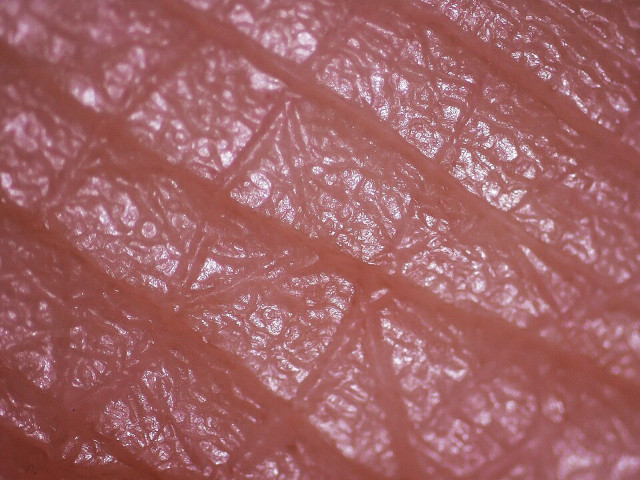
Shown above: Close view of skin of hand.

Posted on — Leave a comment

Worst Dog Breeding

Many breeds of dogs are the result of human intervention. By selective breeding, the dogs have been made cuter. Very little dogs and pug-nosed dogs may have been bred too far into their specialty. The problem is with their teeth. It seems that their teeth have not decreased in size as much as their mouths, and when these teeth grow in, they come in all crooked. These crooked teeth trap food particles and eventually cause extreme decay and periodontal disease.

You can actually brush a dog’s teeth, and should, to help spare them the pain of mouth problems. To do it, start when the dog is quite young, and put your finger in their mouths and rub their teeth while playing with them. They will get used to this, and you can eventually substitute a toothbrush for your fingers. Don’t use human toothpaste, which is designed to be spit out. Use a small amount of baking soda.

Posted on — Leave a comment

Worst Thing About Pit Bulls

Pit Bulls, the breed of dogs which are mostly lovey, even-tempered pets, are sometimes bred to be vicious. Because of these rare badly-trained dogs, all pit bulls may be outlawed in England, meaning all of them in that country could be sentenced to death. There are 5,256,000 pitbulls in the United States, and approximately 9 million in England.

More about Pit Bulls

  1. “Pit Bull” Isn’t Actually a Single Breed
    The term “pit bull” is an umbrella label used to describe several distinct, distinctively built breeds descending from bulldogs and terriers. This category primarily includes the American Pit Bull Terrier, the American Staffordshire Terrier, the Staffordshire Bull Terrier, and the American Bully.
  2. They Once Earned the Title of “Nanny Dogs”
    In the early 20th century, pit bulls were widely celebrated in popular culture for their gentle, protective nature around children. Their patience and affection earned them a reputation as family guardians, leading to the affectionate nickname “Nanny Dog.”
  3. They Were America’s Military & Cultural Mascots
    During World War I and World War II, pit bulls represented American bravery, loyalty, and determination on recruitment posters and wartime campaigns. Their likeness was regularly used to embody national strength and patriotic duty.
  4. Sergeant Stubby Was a Highly Decorated WWI War Hero
    Sergeant Stubby, a pit bull mix, served on the Western Front during World War I. He survived being wounded, alerted troops to incoming mustard gas attacks, located injured soldiers in no-man’s-land, and caught a enemy spy, earning official promotion to Sergeant and national fame.
  5. The “Locking Jaw” Myth Is Completely False
    A persistent urban legend claims pit bulls possess a special physical locking mechanism in their jaws. Studies by veterinary anatomists have proven that their jaw structure is identical to that of any other dog breed; they simply possess strong jaw muscles, as do many large working dogs.
  6. They Excel in Temperament Testing
    In evaluations conducted by the American Temperament Test Society (ATTS), pit bull breeds consistently score higher than many popular family breeds, including Golden Retrievers and Chihuahuas. American Pit Bull Terriers frequently achieve pass rates near 87%.
  7. A Pit Bull Was One of Early Hollywood’s Biggest Stars
    Petey the Pup from the famous 1920s and 30s short comedy series Our Gang (later known as The Little Rascals) was an American Pit Bull Terrier named Pal the Wonder Dog, famous for the natural ring marking around his eye.
  8. They Were the First Dog to Cross America by Automobile
    In 1903, a pit bull named Bud accompanied Dr. Horatio Nelson Jackson and Sewall K. Crocker on the first successful transcontinental trip across the United States in a motor car. Bud wore custom goggles to protect his eyes from dust along the unpaved roads.
  9. They Don’t Have a Naturally Aggressive Disposition Toward Humans
    Historically bred to work closely alongside human handlers, pit bulls were selectively bred to be exceptionally friendly and submissive toward people, making human aggression an unnatural trait in properly socialized dogs of the breed line.
  10. They Excel as Search and Rescue & Therapy Dogs
    Due to their high athletic drive, intelligence, resilience, and affection for humans, many pit bulls excel as working dogs in law enforcement detection, search-and-rescue teams, and certified hospital therapy programs.