Posted on — Leave a comment

Worst Way To Manage a Dog

Most dog owners don’t realize the harm a dog collar can cause. Veterinarians have reported dogs with tracheal collapse in varying degrees up to death, permanent pain injuries due to spinal problems, epilepsy, and even broken teeth and legs, all from dog collars.

You might be wondering how legs can be broken. It turns out a dog scratching an itch can get a leg stuck under the collar. In their ever-more frantic attempts to get free they end up breaking their own leg.

So what can you do?

1. Replace the collar with a harness, as shown above.

2. Don’t yank your dog’s leash as a training technique or punishment. Evidently a training coach at a Petco store accidentally killed one of his students by doing this.

3. Make sure the harness fits correctly. You should be able to slip a thumb under the harness, but not your whole hand.

4. If your dog stays in at night, remove the harness for the dog’s comfort and health.

5. Tell your friends who own dogs, and even people who know people who own dogs, about this web page.

Posted on — Leave a comment

Worst Overreaction To Liquor

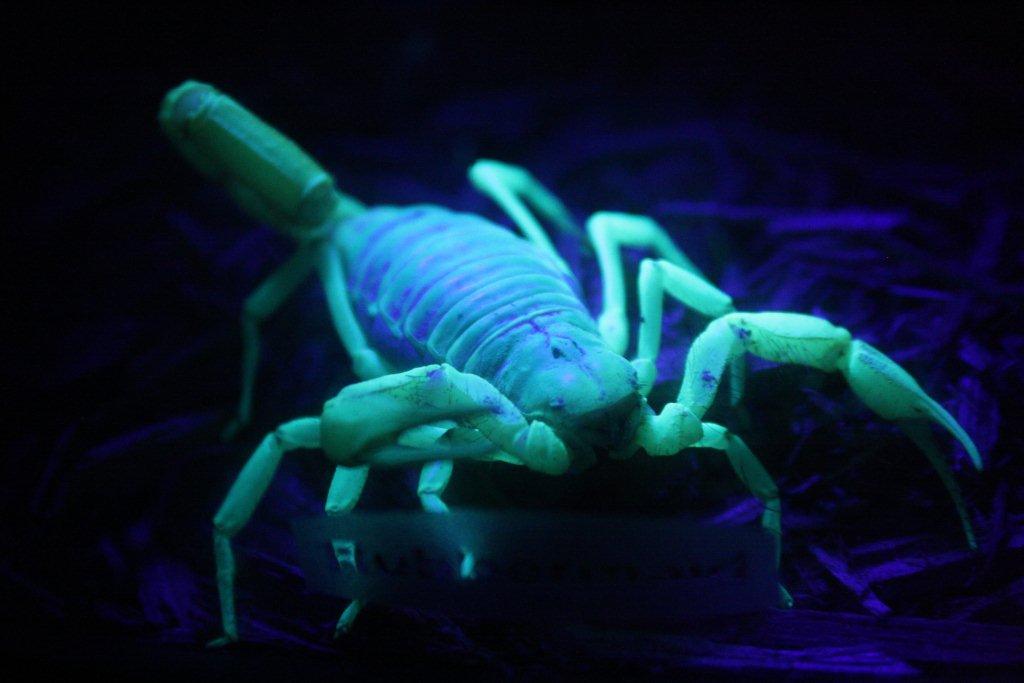
If a drop of liquor gets on a scorpion, it will immediately commit suicide with its own stinger.

Facts About Scorpions

  • Glow Under UV Light: Scorpions fluoresce a vibrant blue-green color under ultraviolet light due to special chemicals (like beta-carboline) present in their exoskeleton’s hyaline layer.
  • Ancient Survivors: Scorpions are among the oldest land animals on Earth, with fossil records dating back over 400 million years—predating the dinosaurs.
  • Live Birth & Maternal Care: Unlike most arachnids that lay eggs, scorpions give birth to live young. Mother scorpions carry their soft, pale offspring on their backs until their first molt.
  • Extreme Survival Abilities: Scorpions can slow their metabolism so drastically that some species can survive up to a year without food and remain submerged underwater for up to 48 hours.
  • Controllable Venom Injection: A scorpion can regulate how much venom it injects depending on the size of its prey or threat level, sometimes delivering a “dry sting” with no venom at all to conserve resources.
  • Courtship “Promenade”: Mating involves a ritualistic dance called the promenade à deux, where the male grasps the female’s pedipalps (pincers) and leads her around to find a suitable surface to deposit his spermatophore.
  • Rare Toxicity to Humans: Out of over 2,500 known scorpion species, only about 30 produce venom strong enough to be lethal or dangerous to healthy adult humans.
  • Sensory Combs (Pectines): On their undersides, scorpions possess unique comb-like organs called pectines that detect subtle vibrations, textures, and chemical trails on the ground.
  • Fluorescent Fossil Clues: Even fossilized scorpions that are millions of years old can still glow under ultraviolet light if their hyaline coating remains intact.
  • Venom in Medicine: Scorpion venom contains complex cocktails of peptides that researchers are studying to treat cancer, target tumors, develop immunosuppressants, and engineer targeted pain relievers.


Blue Scorpion's Reaction to Liquor

Posted on — Leave a comment

Most Underappreciated Food

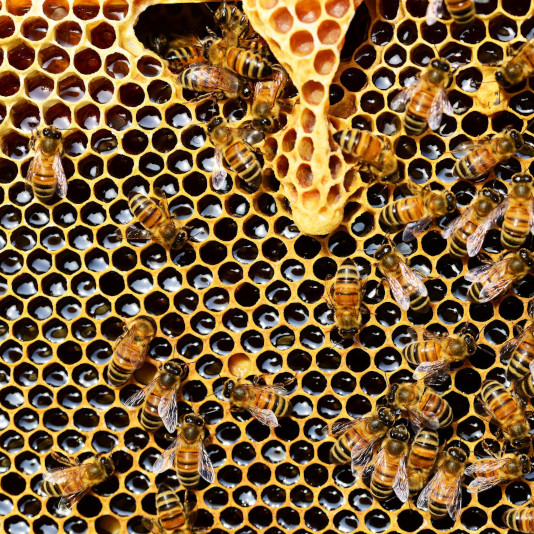
Bees have to fly a total of 50,000 miles (80,000 km) to gather enough honey for one 16-ounce (1/2-liter) jar.

10 Fascinating Honeybee Facts

  • The Waggle Dance: Bees communicate the exact direction, distance, and quality of food sources to their hive mates by performing a figure-eight “waggle dance” inside the dark hive.
  • Hexagonal Efficiency: Honeycombs are built using precise hexagonal geometry, which provides the maximum volume of storage while using the minimum amount of wax structural support.
  • Cold Weather Heating: Honeybees don’t hibernate in winter. Instead, they form a tight cluster around the queen and vibrate their wing muscles to keep the center of the swarm at a steady 93°F (34°C).
  • Superhuman Vision: Bees see colors in the ultraviolet spectrum, allowing them to spot hidden “bullseye” patterns on flower petals that point directly to nectar deposits.
  • Distinct Caste Roles: A worker bee’s job changes with age: she starts as a cleaner, moves on to nursery care and comb building, guards the hive entrance, and finally becomes a field speller/forager.
  • Royal Jelly Transformation: Any female bee larvae can become a queen; potential queens are fed exclusively on a nutrient-rich substance called “royal jelly,” which triggers the development of their reproductive organs.
  • Extreme Speed & Wing Beats: A honeybee flaps its wings roughly 230 times per second, creating their characteristic buzz, and can fly at speeds up to 15 to 20 miles per hour.
  • Short-Lived Males: Male bees (drones) exist solely to mate with a queen from another hive. They have no stingers, do not forage, and are kicked out of the hive to starve before winter to conserve stores.
  • Complex Brain Navigation: Despite having a brain the size of a sesame seed, honeybees can navigate using the sun as a compass, even on overcast days, by detecting polarized light.
  • Endless Shelf Life: Honey is so low in moisture and high in acidity that bacteria and micro-organisms cannot grow in it. Sealed honey found in ancient Egyptian tombs remains completely edible after thousands of years.

The waggle dance has been fully decoded.

Austrian ethologist Karl von Frisch first decoded the meaning of the dance in the 1940s. His breakthrough proved that bees use a symbolic language to communicate precise coordinates, earning him the Nobel Prize in Physiology or Medicine in 1973.

The dance functions as a polar coordinate map that breaks down into three key elements:

  • Direction (The Angle): The angle of the bee’s straight “waggle run” relative to vertical gravity matches the exact angle between the sun’s position and the food source outdoors.
  • Distance (The Duration): The length of time the bee waggles her abdomen during the straight run communicates the distance. Roughly 1 second of waggling equals about 750 meters (nearly half a mile).
  • Quality (The Intensity): The vigor and repetition rate of the dance signal the richness and sugar concentration of the nectar.

Modern Advances in Decoding

In recent years, researchers at institutions like Sussex University and Virginia Tech have refined von Frisch’s work. By using high-speed cameras, AI computer vision, and machine learning models, scientists can now automatically decode thousands of dances in real-time.

Ecologists use decoded dances as biological monitoring tools, mapping where bees forage across different seasons to identify nectar shortages and decide where to plant more flowers to support declining pollinator populations.

Posted on — Leave a comment

Worst Sexual Intercourse

The Secret Weapon of Snail Courtship: Unraveling the Mystery of the Love Dart

In the world of invertebrate biology, few rituals are as dramatically misunderstood as the mating behavior of land snails. Popular folklore often imagines snail reproduction as a solitary, once-in-a-lifetime marathon fueled by natural stimulants. The physical reality, while just as fascinating, operates on an entirely different evolutionary logic: a high-stakes, competitive process centered around a biological tool known as the “love dart.”

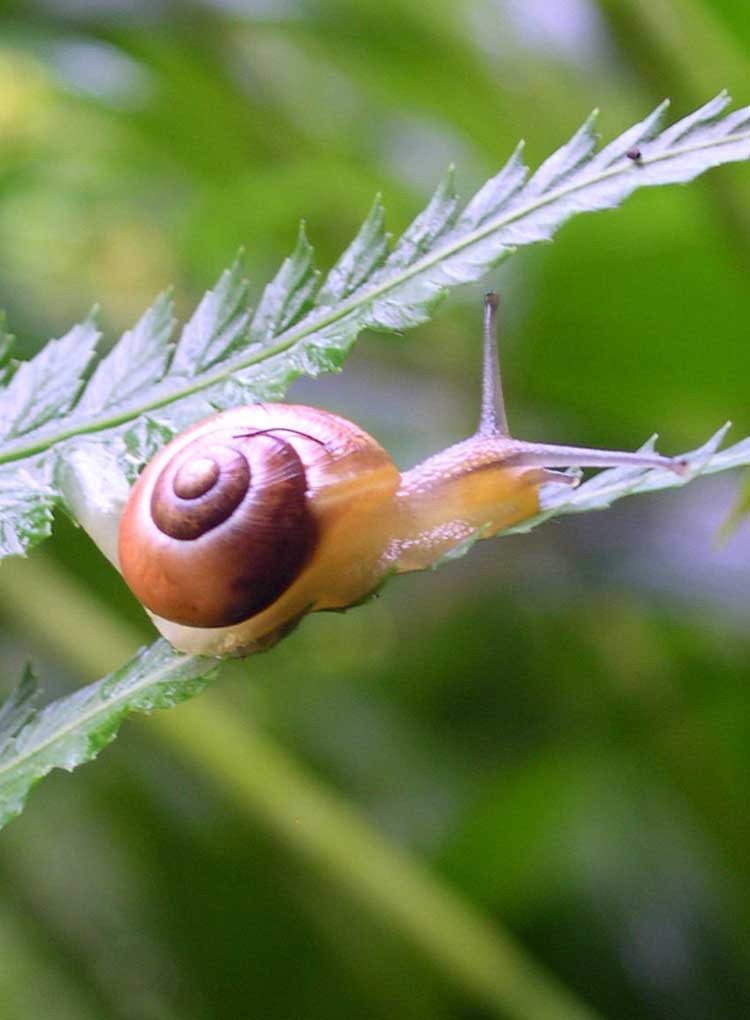
Land snails are simultaneous hermaphrodites, meaning every adult individual possesses both male and female reproductive organs. When two snails meet for courtship—a deliberate, multi-hour affair—they engage in a mutual exchange of sperm. However, before sperm transfer occurs, many species deploy a sharp, calcium carbonate needle fired directly into their partner’s body wall.

Contrary to popular myth, this sharp dart does not inject a stimulant designed to heighten arousal or prolong the duration of the encounter. Snail mating sessions naturally stretch across several hours due to their slow metabolism and complex physical alignment, regardless of whether a dart is successfully deployed.

Instead, the love dart acts as a vehicle for a specialized hormonal mucus. In snail reproduction, the recipient’s body routinely digests up to 99% of incoming sperm before it can reach the eggs. The mucus coating on the love dart triggers structural changes within the recipient’s reproductive tract, temporarily shutting down the sperm-digesting organ. By neutralizing this biological defense, the snail firing the dart ensures that a vastly higher percentage of its own sperm survives to fertilize the eggs.

Far from being a rare or singular event, land snails repeat this intricate courtship multiple times throughout their adult lives with various partners. The love dart is not a gift of stimulation, but a sophisticated instrument of sperm competition—proving that even in the slowest corners of the animal kingdom, evolutionary strategy is remarkably sharp.

Posted on — Leave a comment

Worst Element in Your Body

You might consider phosphorus as the worst element in your body. Handling pure phosphorus is extremely dangerous and requires highly specialized safety equipment:

Spontaneous Combustion:

It auto-ignites in air at around 30°C (86°F). Because of this, it must be stored and handled completely submerged in water or inside an inert-gas glove box (nitrogen or argon).

Physical Handling:

It cut easily like paraffin wax under water. If taken out into the air, it immediately begins to fume, turn yellow, and catch fire, releasing dense, toxic white clouds of phosphorus pentoxide.

Health Hazard:

It causes severe, deep chemical and thermal burns that eat through skin down to the bone. It is also toxic if absorbed, inhaled, or ingested. If exposed, skin must be kept submerged in cold water continuously while particles are manually removed with non-sparking tools or forceps – never bare hands.

Here Are the Elements That Make Up the Human Body

Major Elements (~99% of Body Mass)

  • Oxygen (O): ~65%
  • Carbon (C): ~18.5%
  • Hydrogen (H): ~9.5%
  • Nitrogen (N): ~3.2%
  • Calcium (Ca): ~1.5%
  • Phosphorus (P): ~1.0%

Minor & Electrolyte Elements (~0.85% of Body Mass)

  • Potassium (K): ~0.4%
  • Sulfur (S): ~0.25%
  • Sodium (Na): ~0.2%
  • Chlorine (Cl): ~0.15%
  • Magnesium (Mg): ~0.05%

Essential Trace Elements (<0.1% Combined)

  • Iron (Fe)
  • Zinc (Zn)
  • Fluorine (F)
  • Copper (Cu)
  • Iodine (I)
  • Manganese (Mn)
  • Molybdenum (Mo)
  • Selenium (Se)
  • Chromium (Cr)
  • Cobalt (Co)

Ultratrace Elements (Tiny, Variable Quantities)

  • Silicon (Si)
  • Vanadium (V)
  • Nickel (Ni)
  • Boron (B)
  • Tin (Sn)
  • Arsenic (As)
Posted on — Leave a comment

Worst Assumption about Mental Capacity and Women

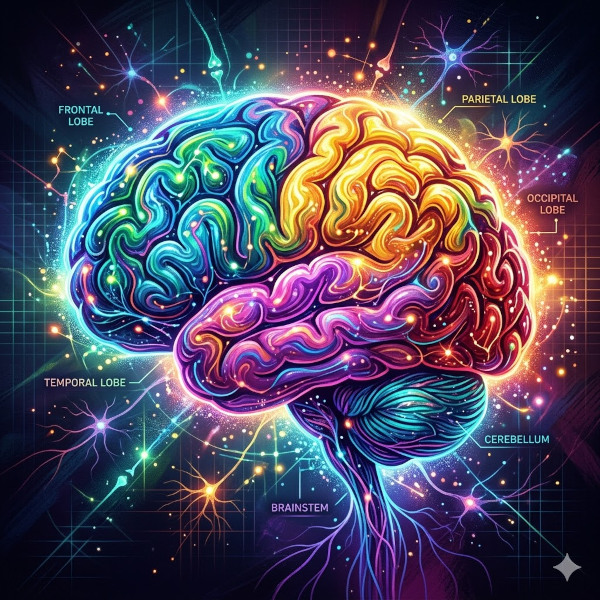
Male human brains are about 10 percent heavier than female brains.

Across large-scale population studies and autopsy data, adult male human brains weigh roughly 10% to 12% more than adult female human brains:

Average Adult Male Brain: ~1,335 to 1,375 grams (~2.95 lbs)

Average Adult Female Brain: ~1,200 to 1,250 grams (~2.65 lbs)

Key Context:

Body Size Proportions: This absolute difference in weight is almost entirely driven by general differences in total body size and height between sexes. Larger bodies require larger neural structures to manage basic motor and sensory functions.

No Impact on Intelligence:

Absolute brain size within a species does not correlate with cognitive ability or intelligence. Female brains offset the mass difference with higher neuronal density in certain areas, higher proportions of gray matter relative to white matter, and greater cortical thickness.

Even the smallest brains can be remarkably complex and effective. Think of an ant. They can coordinate six legs, make decisions about where to go based on scent and other factors, know how to carry food back to the colony, and do all the things ants need to do, yet their brains are tiny specks.

Posted on — Leave a comment

The Most Aggressive Part of Your Body

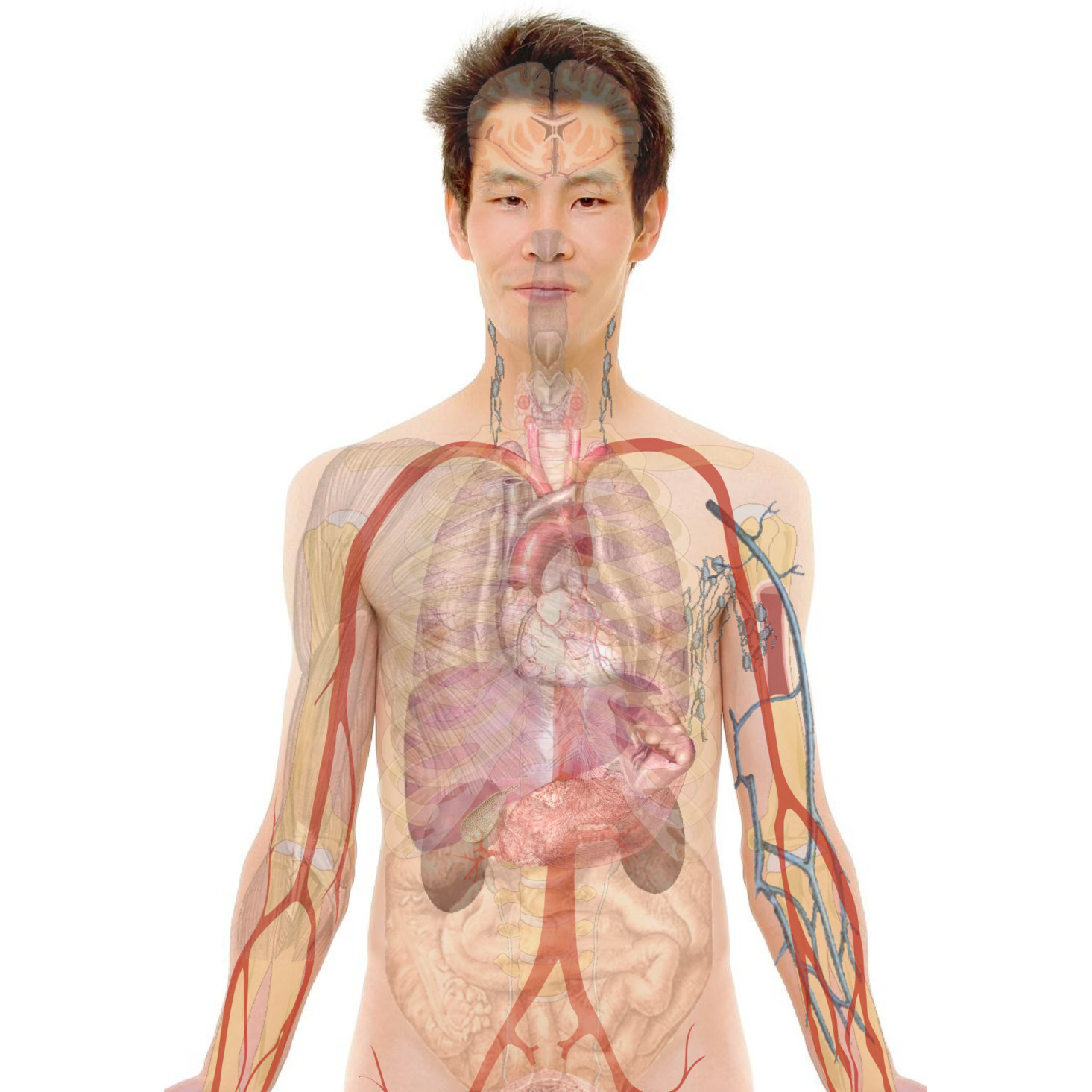
One out of every 100 cells in your body is for defense against disease. So if you weigh 150 pounds (68 kg), 1-1/2 pounds (680 grams) of you are for self-defense.

10 Interesting Facts About the Human Immune System

  1. It has a long-term memory.
    When the adaptive immune system encounters a pathogen, it creates specialized memory B and T cells. These cells can survive in the body for decades, recognizing the same pathogen if it returns and neutralizing it before you even feel sick—the core principle behind how vaccines work.
  2. Fevers are an intentional feature, not a system failure.
    Your brain intentionally raises your core body temperature during an infection. Higher temperatures speed up chemical reactions, accelerating immune cell activity while simultaneously making the body a hostile, high-heat environment for reproducing viruses and bacteria.
  3. It can trigger its own self-destruct mechanism.
    When immune cells called neutrophils encounter heavy pathogen loads, they perform NETosis. The cell explodes and expels its own DNA like a net, trapping and killing surrounding bacteria in a suicide maneuver that protects adjacent tissues.
  4. Your eyes are an “immune-privileged” zone.
    The immune system is largely restricted from entering the eyes. Because inflammatory responses like swelling could permanently damage delicate optical structures and cause blindness, the eyes use specialized physical barriers and immunosuppressive fluids to manage pathogens locally.
  5. Autoimmune diseases disproportionately affect women.
    Approximately 80% of all individuals with autoimmune diseases are female. Researchers attribute this primarily to the X chromosome—which carries a high concentration of immune-related genes—and the influence of estrogen on immune response regulation.
  6. Sleep deprivation rapidly shuts down natural killer cells.
    A single night of getting only four hours of sleep can reduce the activity of your Natural Killer (NK) cells—the front-line defenders against virally infected and cancerous cells—by up to 70%.
  7. It relies entirely on a secondary plumbing network.
    The immune system circulates white blood cells and drains cellular waste using the lymphatic system, a network of vessels containing clear fluid called lymph. Unlike blood, which is pumped by the heart, lymph has no central pump and relies on physical muscle movements and breathing to circulate.
  8. Over-reaction can be far more dangerous than the infection itself.
    In severe cases of viral or bacterial infections, the immune system can experience a cytokine storm. This occurs when an uncontrolled positive feedback loop causes immune cells to release massive amounts of signaling proteins, leading to widespread tissue damage, organ failure, and systemic inflammation.
  9. It kills thousands of potential cancer cells every day.
    Through a process called immune surveillance, T cells and NK cells constantly patrol the bloodstream and tissues, identifying and destroying mutated or abnormally dividing cells before they can establish tumors.
  10. Stress hormones actively dissolve immune tissue.
    Sustained high levels of cortisol (the body’s primary stress hormone) suppress immune function by causing the thymus gland—where T cells mature—to temporarily shrink, reducing the production of new immune cells during periods of chronic strain.

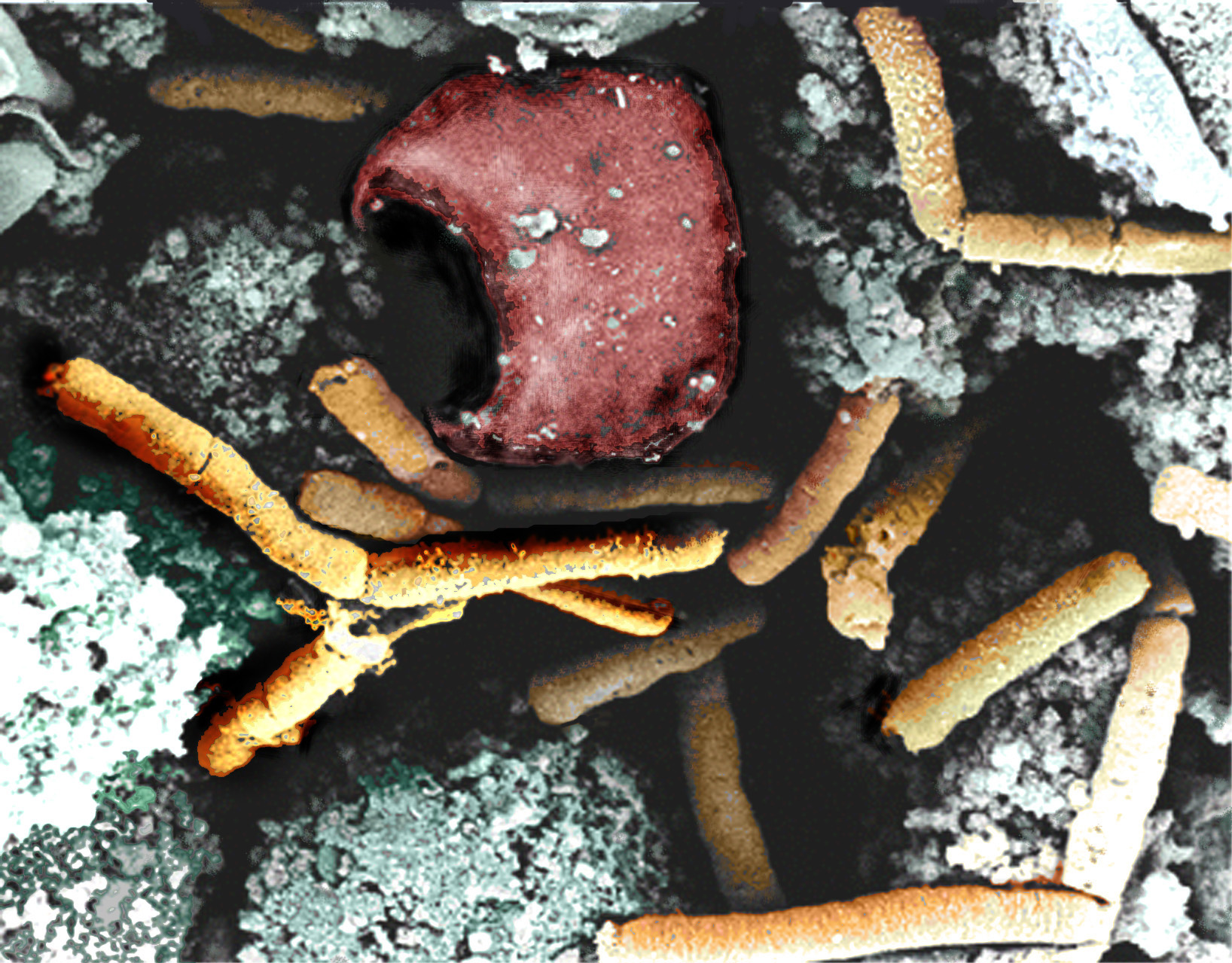
Pictured above: Anthrax Virus

Posted on — Leave a comment

Worst Fact About Hair

Daily Human Hair Growth Statistics

Single Strand Rate

  • Daily growth rate: ~1/60 inch (0.017 inches / 0.44 mm) per day
  • Monthly growth rate: ~0.5 inches (1.25 to 1.5 cm) per month

Cumulative Scalp Production

  • Average hair count: ~100,000 hair follicles
  • Daily cumulative length: 100,000 strands × 0.017 inches = ~1,700 inches per day
  • Converted total: ~141 feet (approx. 43 meters) of total hair grown per day
  • That works out to 9.75 miles per year or 15.7 kilometers per year.

More Weird Facts about Hair

  1. Incredible Tensile Strength:
    A single hair strand can support up to 100 grams (3.5 ounces) of weight. Theoretically, an entire head of healthy hair could support the weight of two adult elephants.
  2. Biological Record-Keeper:
    Hair shafts store chemical evidence of what has entered your bloodstream, including trace minerals, heavy metals, vitamins, and drugs. However, hair structure cannot reveal biological sex.
  3. Hidden Body Hair Density:
    The human body has roughly 5 million hair follicles—about the same density per square inch as a chimpanzee. Most human body hair consists of fine, nearly invisible “vellus” hair.
  4. Rarest Hair Color:
    Natural red hair occurs in only 1% to 2% of the global population. Black hair is the most common, accounting for 75% to 80% worldwide.
  5. Dead Shafts, Living Roots:
    The only living part of hair is the follicle root beneath the skin. Once hair emerges above the scalp, it consists entirely of dead, keratinized proteins.
  6. Invisible Loss Threshold:
    An individual can lose up to 50% of their scalp hair before thinning becomes visibly noticeable. Standard daily shedding averages 50 to 100 strands.
  7. Goosebumps Mechanism:
    Goosebumps occur when microscopic arrector pili muscles contract at follicle bases. In animals, this puffing up traps heat for insulation or creates a larger appearance to deter predators.
  8. Microscopic Inhabitants:
    Almost all adults host microscopic eight-legged Demodex folliculorum mites residing within eyebrow and eyelash follicles, feeding on sebum and dead skin cells.
Posted on — Leave a comment

Worst Fully-Functional Human Brain

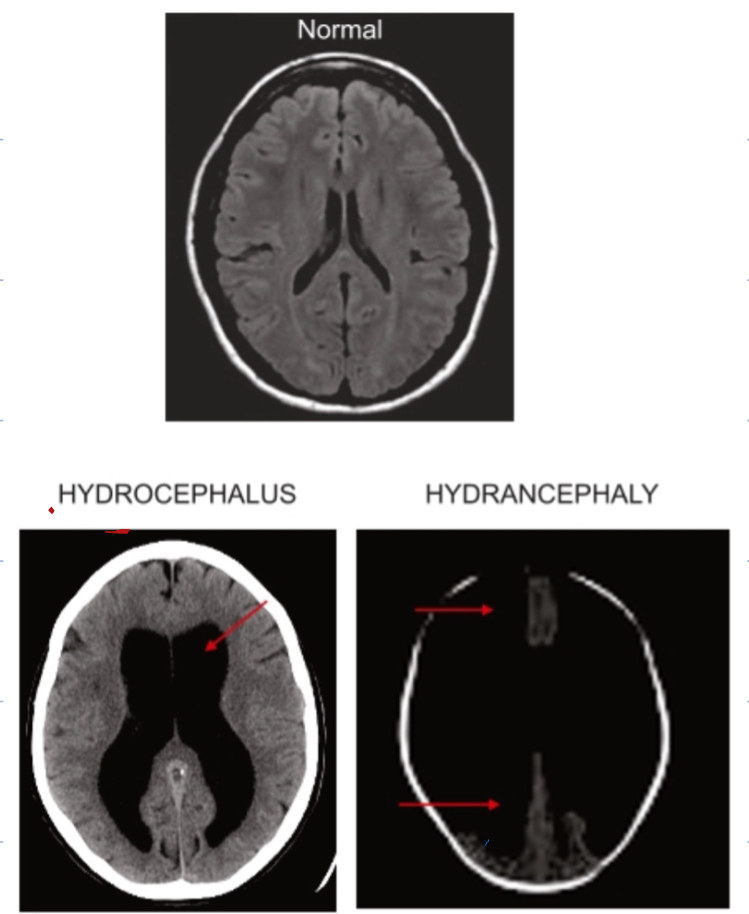
A mathematics major with a higher than average IQ estimated at 126, and seemingly normal in every other way, was referred to a brain specialist because his head seemed a bit larger than normal. The brain specialist was amazed to find that the student had an extreme case of hydrocephalitis, also known as “water on the brain.” His brain cavity was mostly filled with fluid, not neurons. The cortex, the main thinking part of his brain, was merely a coating one twenty-fifth of an inch thick on the inside of his skull!

The case was documented in the late 1970s by Dr. John Lorber, a professor of pediatrics at the University of Sheffield in the UK, and was featured in a renowned 1980 Science article titled “Is Your Brain Really Necessary?”

Here is how the details break down:

The Student: A 26-year-old student at the University of Sheffield was referred to the campus doctor because his head was slightly larger than average. Despite having no neurological issues or symptoms, he had a tested IQ of 126, held a first-class honors degree in mathematics, and was socially normal.

The Brain Scan: When Dr. Lorber performed a CAT scan, he discovered that the student had severe hydrocephalus (excess cerebrospinal fluid in the brain). Instead of normal brain tissue filling the skull cavity, fluid-filled ventricles occupied over 90% to 95% of the space.

The Cortex: The student’s cerebral cortex was compressed into a thin layer measuring roughly 1 millimeter thick (approximately 1/25 of an inch) lining the inside of his skull, rather than the normal thickness of 4.5 centimeters (1.75 inches).

How Is This Possible?

While the case sounds unbelievable, researchers attribute it to neuroplasticity. Because the fluid build-up occurred very slowly during the student’s early childhood development, his brain was able to adapt. The thin layer of remaining cortical tissue reorganized itself and compensated, taking over the functions that a normal-sized brain typically performs.

Current Status of the Student

Because Dr. John Lorber maintained strict patient confidentiality, the student’s identity was never publicly revealed, so there are no public updates on his current personal life or career.

However, medical history does tell us a few key details about how his story unfolded:

  • Shunt Treatment: After the initial brain scan revealed his severe hydrocephalus in the late 1970s, Lorber installed a shunt (a small valve and tube system) to drain the excess fluid from his skull, relieving the pressure on his brain.
  • Follow-up Health: Reports from the time indicated that he tolerated the procedure well, maintained his high intellectual ability, and went on to live a normal, healthy life.
  • Ongoing Academic Debate: The student’s case became a classic textbook case study in neurology regarding neuroplasticity—the brain’s ability to compress, adapt, and reorganize itself when tissue damage or pressure occurs slowly over time.

While the individual stepped out of the spotlight to live a quiet life, his case remains one of the most famous examples in modern medicine of how remarkably adaptable the human brain can be.

Shown above: More common degrees of hydrocephalus

Posted on — Leave a comment

Growing Disgust

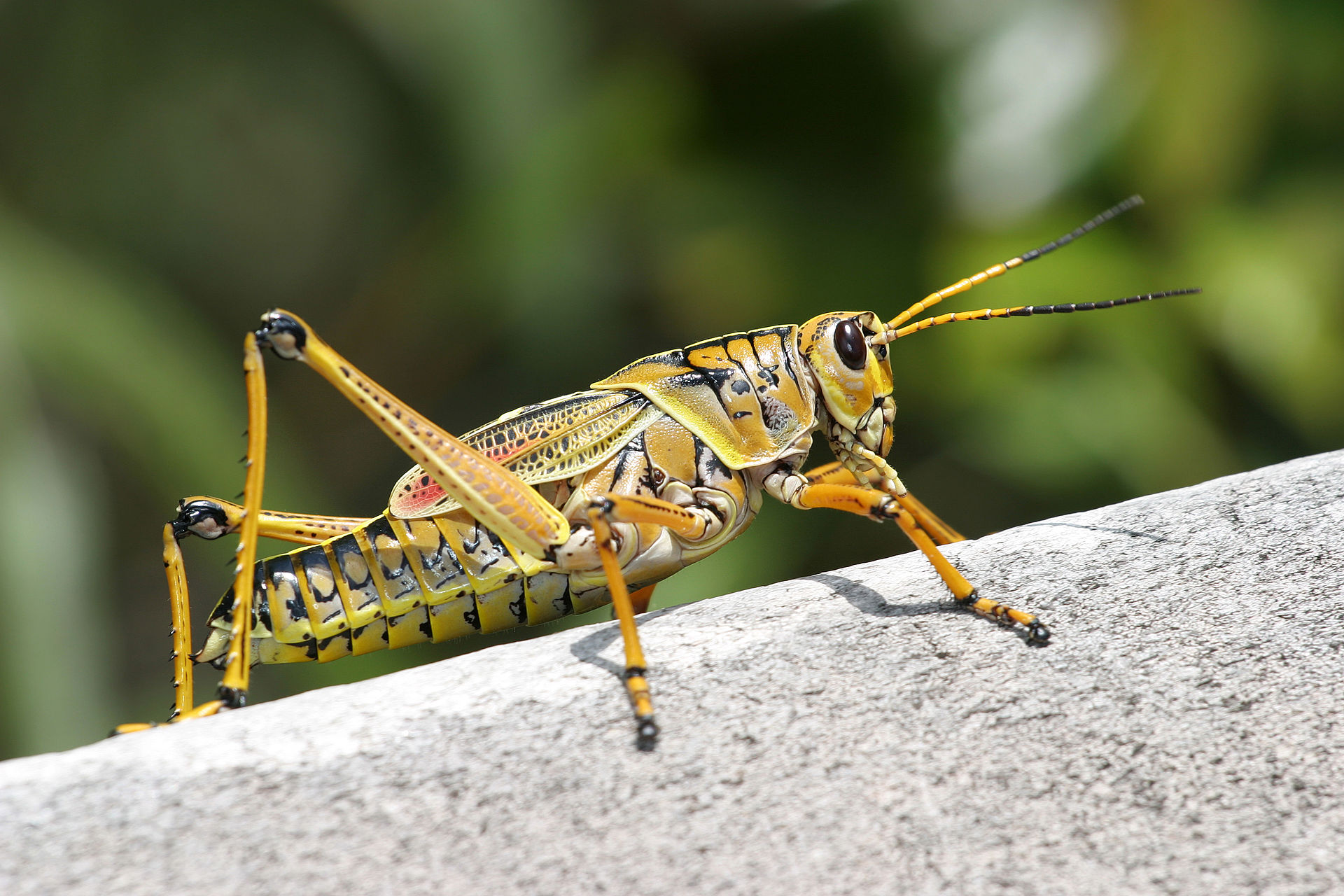
Infants are born without the emotion of disgust. It does not fully develop until age seven. As everyone knows children at age two will put everything in their mouths. Researchers put grasshoppers into milk glasses and offered them to five-year-olds. The kids took the grasshoppers out and drank the milk. By age seven, the kids understood the concept of contamination, and would not drink the milk.

The foundational research in this area was conducted by psychologist Dr. Paul Rozin and his colleagues at the University of Pennsylvania. Their experiments revealed key patterns in how disgust develops:

Inborn vs. Acquired Responses: Infants are born with a taste rejection for bitter or sour substances (distaste), but they do not have an innate sense of disgust—which is a culturally learned, higher-level cognitive emotion. Infants and young toddlers under age two frequently explore their environment by putting almost anything into their mouths, including insects, animal feces, and non-edible items.

The Contamination Principle: In developmental studies testing the concept of contagion, researchers presented young children with a favorite beverage (such as milk or juice) that had come into brief contact with a disgust-eliciting object (like a grasshopper, comb, or sterile hair).

Age Differences: Children under age five or six routinely removed the insect or object from the drink and happily drank the remaining liquid, seeing it as completely separate. They did not yet grasp the invisible concept of trace contamination (“once in contact, always in contact”).

Development Around Age Seven: It is typically between the ages of 5 and 7 that children fully acquire sensitivity to trace contamination. By around age seven, most children will refuse to drink a beverage if it has touched an offensive object—even after the object is completely removed.