Posted on — Leave a comment

Worst Abigail Breslin Story

Abigail Breslin Space Opera

AI-Generated Goofy Story

Abigail Breslin woke up one morning to find a very polite ferret wearing a monocle sitting on her kitchen counter. It was sipping espresso from her favorite mug and reading The Economist. “Good morning, Miss Breslin,” the ferret said with a British accent. “I’ve been sent by the International Council of Unexpected Fame to inform you that you’ve been selected to host the Intergalactic Spelling Bee this afternoon.” Abigail blinked twice, checked her calendar (nothing but “Buy cheese” at 3 p.m.), and said, “Yeah, sure, why not.”

Two hours later, she was whisked away in a hover-van shaped like a saxophone and flown to a floating arena just outside of Saturn. The audience was made up entirely of sentient vegetables—mostly disgruntled asparagus—who booed every time someone spelled “rhubarb” incorrectly. Abigail, wearing a glittering cape made of old VHS tape, stood at the mic trying to keep a straight face as a contestant named Zzlorp, a gelatinous cube from Neptune, confidently spelled “onomatopoeia” by burping in Morse code.

Midway through the event, a rebellious turnip tried to storm the stage yelling, “Spelling is oppression!” but was gently tasered by a floating jellyfish security guard wearing a tiny hat. Abigail handled it like a pro, offering the turnip a juice box and a hug. “I was in Little Miss Sunshine, I can handle chaos,” she muttered under her breath as she called the next contestant, a tap-dancing slug with a lisp.

When the bee ended, the Council gifted her a certificate, a holographic high-five, and a coupon for one free taco anywhere in the Milky Way. As she returned to Earth, she tweeted: “I just hosted a spelling bee in space. Someone please explain the ferret.” The tweet got 4.3 million likes and a confused response from NASA that simply read, “We’re looking into it.”

Posted on — Leave a comment

Worst Cat Food

When you learn the surprising truth about commercial cat food, you’ll probably want to change your cat’s diet immediately.

Let’s start with some simple observations. When cats eat grass, what happens? Right, they regurgitate it.

The grass they eat doesn’t get digested. In fact they can’t digest grass. They aren’t designed appropriately. The intestine of animals who do eat grass is quite long. The intestine of a cat is very short. The cat is specially made to eat meat.

If you fed nothing but grass to your cat, and if the cat could actually keep it in, the cat wouldn’t be able to get enough nutrition.

That’s why they eat small animals. That’s what they are designed to eat. That’s where they get their nutrition. An outdoor cat eats mice, gofers, and the occasional bird, and they do just fine. They have done fine for thousands of years.

So it would be silly to feed them anything like grass, wouldn’t it?

Yet, most commercial dry cat food is composed mostly of grains like grass. Oh, it doesn’t look like grass, because the grains are ground up, and colored to look like meat. Then an artificial odor is added so the grain-based food smells attractive to cats.

Many older housecats suffer from arthritis, and urinary tract problems. Many cats of all ages suffer from intestinal problems, generally diarrhea. In time, many, maybe even most, die from these diseases. Guess what? These are the cats that eat dry commercial cat food.

If you simply switch to real meat, simulating a cat’s actual diet, these diseases are exceptionally rare.

Unfortunately, many commercial canned cat foods do not contain as much meat as you might like. And dog foods are often even worse, because dogs can get away with less protein than cats need. For best results, read the labels and try to find the most real cat food you can. If you have the time, the best bet is to make your own cat food from whole chickens and other small creatures.

But what about the cat’s teeth? Have you been led to believe that they need the dry food to keep their teeth clean? Have you ever wondered how a single bite or two on each morsel of dry food can actually clean a cat’s teeth? As you know, the cat doesn’t really chew the food up. The dry food doesn’t really do much for the cat’s teeth at all. Nature takes care of that. The cat’s teeth are designed to eat the way they do. The cat’s saliva has anti-bacterial qualities. The teeth don’t need any special attention beyond what nature already provides.

Posted on — Leave a comment

Worst Pet


See also: Raccoon Fixing Car.

Owning a raccoon as a pet is a very unusual choice, and it comes with a mix of charm, chaos, and legal headaches. 🦝 Here’s a careful breakdown of the pros and cons of having a pet raccoon.

✅ Pros of Owning a Pet Raccoon

Highly Intelligent – Raccoons are extremely smart; they can learn tricks, open doors, and solve puzzles. You can actually teach them things in ways similar to dogs.

Playful and Entertaining – They’re curious and mischievous. Watching a raccoon explore or manipulate objects can be endlessly amusing.

Affectionate (Sometimes) – With consistent socialization from a young age, some raccoons can bond with humans and enjoy cuddling or sitting on your lap.

Unique Companion – Very few people have pet raccoons, so it’s a conversation starter and a truly “different” kind of pet.

Problem-Solving Skills – Their intelligence can keep you mentally engaged; they often require creative enrichment activities like puzzle feeders.

❌ Cons of Owning a Pet Raccoon

Legal Restrictions – Many U.S. states and countries prohibit keeping raccoons as pets without special permits. Check local wildlife laws carefully.

Destructive Behavior – They love to climb, chew, and explore. Expect chewed furniture, scratched walls, and unlocked cabinets raided.

Nocturnal Activity – Raccoons are most active at night. They may be loud, rummage through things, or disturb your sleep.

Health Risks – They can carry rabies, roundworms, and other diseases. Regular veterinary care from a specialist is essential but not easy to find.

High Maintenance – Raccoons need lots of mental stimulation, varied diet, and space to explore. They are not “low-effort” pets.

Strong Odor – Litter boxes or cages can smell strongly if not cleaned frequently.

Short Attention Span – Raccoons can get bored quickly and may become destructive or even aggressive if understimulated.

Social Complexity – They are not domesticated animals like cats or dogs. Even tame raccoons can become unpredictable, especially during mating season.

Long-Term Commitment – Raccoons live 10–20 years in captivity. That’s a long-term responsibility many underestimate.

Insurance and Liability – Many homeowners’ insurance policies don’t cover exotic pets, meaning damages could come out of your pocket.

💡 Bottom line: Raccoons are brilliant, mischievous, and adorable—but they are wild animals at heart. They are best suited for experienced exotic pet owners who understand the legal, behavioral, and health challenges.

Posted on — Leave a comment

Worst Way to Scare a Cat

Why are cats so afraid of cucumbers? The common theory is that cucumbers look like snakes, and cats have evolved a natural fear of snakes. Cats see only in black and white with red, so the green color of a cucumber does nothing to de-worry the cats.

Another factor worth considering is that the cucumbers are often placed while the cats are obliviously eating or sleeping. When the cat suddenly sees the cucumber, all they know in that instant is that something possibly ominous has appeared that they were not expecting.

Posted on — Leave a comment

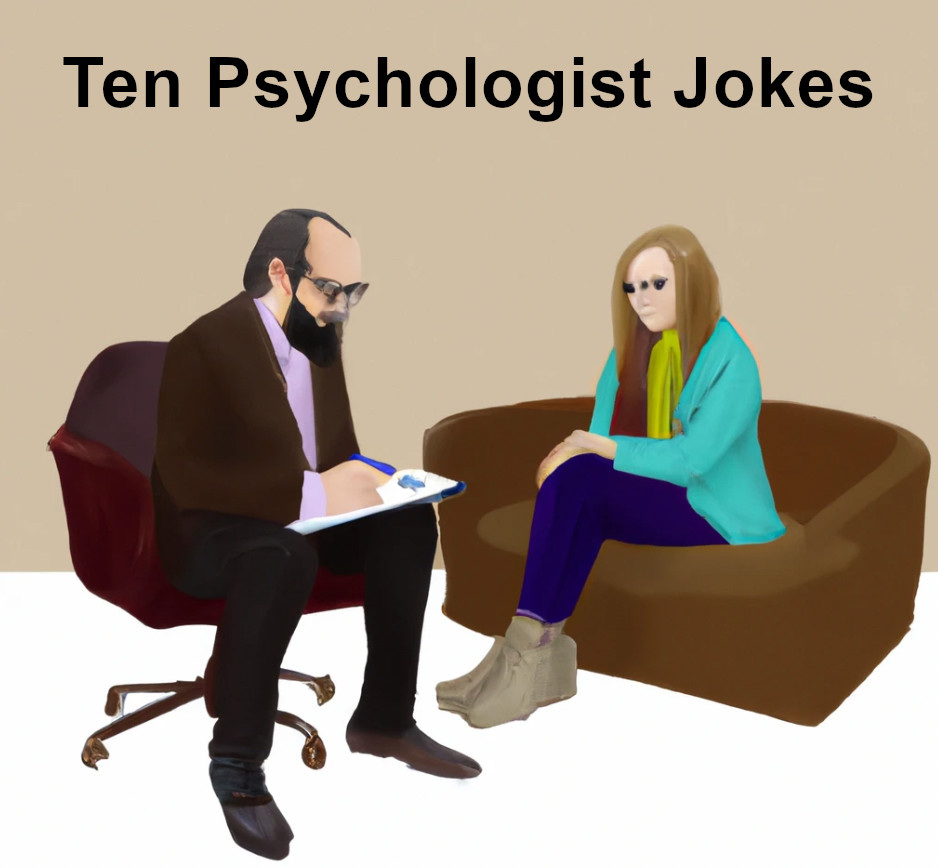
Worst Psychologist Jokes

How many psychologists does it take to change a light bulb? Only one, but the light bulb has to want to change.

Why did the psychologist become a gardener? Because he wanted to help people “grow.”

Why did the psychologist become a chef? Because he wanted to “analyze” food for thought.

Why did the psychologist bring a spoon to work? To help his patients “dig deep” into their issues.

What do you call a group of psychologists? A “psycho-babble” of psychologists.

Why did the psychologist always carry a mirror? To help his patients “reflect” on themselves.

How many psychologists does it take to screw in a light bulb? None, the light bulb will change when it’s ready.

Why did the psychologist become an artist? He wanted to paint people’s “emotional landscapes.”

What do you call a psychologist who also acts? A “psycho-dramatist.”

What do you call a psychologist who specializes in canine behavior? A “dogtor” of psychology.

Why did the psychologist bring a broom to work? To sweep away his patients’ “mental clutter.”

What’s a psychologist’s favorite dance move? The “Freudian slip.”

Why did the psychologist bring a telescope to work? To help his patients gain a “clearer” perspective.

Why did the psychologist become a magician? Because he loved making people’s issues “disappear.”

Why did the psychologist bring a stopwatch to work? To help his patients “track” their progress.

What’s a psychologist’s favorite dessert? “Sigmund Freud” cake — it’s layered with deep meaning.

Posted on — Leave a comment

Celebrities with the Worst Eccentricities

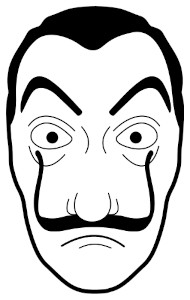
Salvador Dali – The surrealist artist was known for his strange behaviors, such as wearing an antique diving suit and carrying a walking stick with a built-in phallus.

Nikola Tesla – The brilliant inventor was known for his aversion to germs and obsession with the number 3.

Howard Hughes – The billionaire industrialist and aviator was known for his extreme germophobia, reclusiveness, and obsession with aviation.

Lady Gaga – The pop icon is known for her avant-garde fashion sense and eccentric performances, such as wearing a meat dress to an awards show.

Marlon Brando – The legendary actor was known for his peculiar habits, such as having his lines fed to him through an earpiece and insisting on being filmed only in close-ups.

Rasputin – The Russian mystic was known for his wild behavior, such as engaging in orgies and claiming to have healing powers.

Hunter S. Thompson – The journalist and author was known for his drug use, love of firearms, and eccentric personality.

Timothy Leary – The psychologist and counterculture icon was known for his advocacy of psychedelic drugs and unconventional lifestyle.

John McAfee – The software entrepreneur was known for his eccentric behavior, such as claiming to have developed a method to communicate with whales.

Steve Jobs – The Apple co-founder was known for his minimalist fashion sense and perfectionist tendencies.

Richard Branson – The billionaire entrepreneur is known for his adventurous spirit, such as attempting to circumnavigate the world in a hot air balloon.

Oscar Wilde – The writer was known for his flamboyant fashion sense and wit, as well as his homosexuality in a time when it was illegal.

Sarah Winchester – The widow of the Winchester rifle heir was known for her belief in spirits and building a mansion with constantly changing architecture to appease them.

H.R. Giger – The artist and designer was known for his disturbing and erotic artwork, including designing the iconic alien in the movie “Alien”.

Stanley Kubrick – The filmmaker was known for his obsessive attention to detail and control over his films.

Johnny Depp – The actor is known for his eclectic fashion sense and collection of oddities, such as a preserved human finger.

Angelina Jolie – The actress is known for her unusual tattoos, including a Buddhist prayer and the coordinates of her children’s birthplaces.

Shia LaBeouf – The actor is known for his strange behavior, such as wearing a paper bag over his head at a red carpet event.

Madonna – The pop star is known for her controversial music videos and stage performances, such as simulating masturbation during a live concert.

Britney Spears – The pop star is known for her public breakdowns and erratic behavior, such as shaving her head in 2007.

Ozzy Osbourne – The rock star is known for his wild behavior and drug use, as well as biting the head off a bat during a live performance.

Posted on — Leave a comment

Worst Museums

Enjoy this list of museums. They aren’t all bad, but some are the worst in the world.

Museum of Bad Art – a collection of artwork too bad to be ignored

The Icelandic Phallological Museum – a collection of over 215 penises and penile parts from over 93 species

The Parasite Museum – a museum that focuses on the strange world of parasites

In San Rafael, California, you’ll find the Museum of International Propaganda.

The Sulabh International Museum of Toilets – a museum dedicated to the evolution of toilets around the world

The Museum of Broken Relationships – a collection of objects left over from failed relationships

The International Cryptozoology Museum – a museum that studies creatures that are rumored to exist, but have not been proven to exist

The Mütter Museum – a museum of medical oddities and human specimens

The Museum of Death – a museum that explores the subject of death through exhibits of real human remains and death-related artifacts

Marin Museum of Bicycling – a museum dedicated to bikes and bicycling, specializing in mountain bikes.

The Museum of Questionable Medical Devices – a museum that showcases medical devices that have questionable effectiveness

The Hand Fan Museum – a museum of hand fans, the devices used by women mostly in past eras to cool themselves, and send semi-secret signals to others.

The Museum of Jurassic Technology – a museum that explores the intersection of art, science, and the imagination

The Vent Haven Museum – a museum dedicated to ventriloquism and the history of ventriloquists’ dummies

The Museum of Neon Art – a museum that collects, preserves, and exhibits neon signs and related art forms

The House on the Rock – a museum that features a collection of oddities, including the world’s largest indoor carousel

The Kansas Barbed Wire Museum – a museum dedicated to the history and development of barbed wire

The National Museum of Funeral History – a museum that explores the history and cultural significance of funerals and funeral practices

The International Spy Museum – a museum that explores the history and methods of espionage

The American Banjo Museum – a museum that explores the history and evolution of the banjo

The Museum of Osteology – a museum that showcases the skeletal system of animals from around the world

The Teddy Bear Museum – a museum that showcases the history and evolution of teddy bears

The Museum of the Weird – a museum that showcases bizarre and unusual artifacts from around the world

The Elevator Museum – a museum that explores the history and development of elevators

The Canadian Potato Museum – a museum that explores the history and cultural significance of potatoes in Canada

The Skyscraper Museum – a museum that explores the history and evolution of skyscrapers

The Salt and Pepper Shaker Museum – a museum that features over 20,000 salt and pepper shakers from around the world

The Museum of Miniature Houses – a museum that showcases a collection of miniature houses and other miniatures

The National Museum of Roller Skating – a museum that explores the history and evolution of roller skating

The Museum of Handbags and Purses – a museum that showcases the history and evolution of handbags and purses

The Museum of Chinese in America – a museum that explores the history and experiences of Chinese immigrants in America

The New Orleans Pharmacy Museum – a museum that showcases the history and development of pharmacy and medicine in New Orleans

The Musée Mécanique – a museum that features a collection of antique arcade machines and mechanical instruments.

Posted on — Leave a comment

Worst Pickleball Fiction

By Jeff Napier

Our pastor, although a very nice and well-educated guy, isn’t very good at counseling, and he knows it, so I have taken over most of the lay counseling that happens at our church. One day I had an appointment with Jeremy, a 21-year-old fellow who according to rumors, had recently inherited 78 million dollars.

On a Tuesday at 3pm on the dot, he walked Pickleball Fiction - The $78 Million Maninto the little church office, and I met him for the first time. He was huge. I mean, he was around 6″ 3′ tall, and big-boned. Well, fat, actually. His pale skin, short blond hair, wispy beard, and goofy sweater made him look even larger. He greeted me with a somewhat unsteady, high-pitched voice.

We started off with small talk. I always like to make my clients feel comfortable as soon as I can. He started slowly and hesitantly, but fairly quickly steered the conversation to his problems, evidently comfortable enough with me already to let go of some of his inner secrets.

First, he said he needed a girlfriend. Then he said, that wasn’t really it. He figured a woman would come along in due course. I agreed, that at 21, he needn’t be in a hurry. I then sat back and just listened. I have learned if you remain silent, people will almost always fill the silence. And, they’ll usually fill it with what they really need to say.

It turns out his real problem is that he just didn’t know where he fit into society. He felt no sense of identity. It didn’t help that his mother had died of cancer three years ago, and his father died of a sudden heart attack just a few months ago. Of course he was still grieving, but it was more than that. He didn’t fit, and that made him lonely. His eyes filled with tears. He explained it wasn’t so much the loss of his parents. He was grieving the loss of himself. He was so sad that he just didn’t know how to “be regular, be a part of society” as he termed it. This great big young man then put his hands over his eyes and broke down into complete sobs of sadness. I waited patiently, as I have learned to do. In time, he recovered, apologized for crying. I told him many of my clients cry, and it is just fine, and actually a good, healing thing. I brought the conversation out to a less heavy level.

I asked about college, but no, he didn’t want to do that. I made a mental note to see if I could direct him toward getting an education at some later point, if he would agree to start seeing me weekly. I wanted to know why he didn’t want college, and he said he had plenty of money, so wouldn’t need a career, and therefore wouldn’t be needing college. I thought about how much fun he was missing out on, but this first session was way too soon for me to start guiding him in any direction.

I have been told that as a counselor, one should follow one’s instincts, one’s curiosity, so I asked about the rumors of his inheritance. The pastor had told me that Jeremy’s family had long supported the church in a big way.

Oh, yes, it was true. He had a team of nine people managing his money. In fact, he wasn’t allowed to manage his inheritance at all until age 25, at which time, he would get full control. In the meantime, he was allowed a trust fund of $6,000 per month, after taxes.

Hmmm, At his age, I could really live it up on that, I was thinking to myself.

Being our first meeting, I just asked a few questions, and let him drive the conversation. It seems he was not only lonely, but felt he was getting fatter by the moment, because all he did was watch TV and drink root beer. He loved his root beer. And, he was having troubles with money.

What???

It’s true. He couldn’t quite make ends meet on the $6,000 per month. By the 20th of the month, he was always borrowing $10 or $20 from his friends for food, was late paying the rent on his apartment, and felt quite embarrassed about that. Oh sure, he paid his friends back right after he got his check, but he felt like he was pretty out of control about the money. I asked him where it all went, and his first response was “I don’t really know. I don’t understand it.” Upon pressing, it seemed quite a bit went into customizing his motorcycles – he had three of them, taking friends to dinners, going to concerts, and buying fancy clothes. Here in the office, he was wearing tattered shorts, worn out Keens, and a T-shirt. Go figure!

He had another problem: Headaches. Everything gave him horrible migraines. Stress. Chocolate. Peanuts. Alcohol – even a single glass of wine. He had been to many doctors, and they prescribed this and that, and every medicine he tried either didn’t work, or gave him other untenable symptoms.

Jeremy was messed up, and I was sure that the Lord could work through me to help him. I convinced him to schedule weekly visits with me. We prayed together for a short while, and then I sent him on his way. He promised to meet me next week.

Jeremy was true to his word, and appeared at the church office right at 3pm the following week, and the week after that, and so on. After about six sessions, I hadn’t really helped him much, but he did seem to enjoy having someone to talk with, even though I was an old gray gent, more than three times his age.

I became convinced he needed an activity, something involving a social group. Church would have been sufficient for some people, but for Jeremy, our various social activities only made him feel more like a misfit. I definitely pushed as hard as I dared to get him to enroll in college, but Jeremy wasn’t having it.

He bought himself a guitar after I hinted around about music, took a few lessons, and gave it up. He spent $5,000 on a fancy electric piano, took a few lessons, and then gave that up, too. I suggested basketball. He laughed at me. I suggested tennis, and he actually tried it, but said it gave him a headache and hurt his knees. I could imagine it did. He was a big guy, but his knees were probably just ordinary size.

Then one day while out for a walk, I saw a bunch of people playing a funny little game that looked like tennis. I stepped closer to the fence, and saw that while it looked like tennis, there were some differences. The courts and nets seemed a bit smaller. And they were using little plastic balls full of holes. They reminded me of whiffle balls that we used with plastic bats to play baseball when we were small children. Most of the people seemed to be elderly, like me, but there were some twenty-somethings and people in their thirties and forties as well. They had a weird way of calling score: They kept saying three numbers, like “7-4-2.” I was going to have to ask about that someday. One of the players who was evidently waiting between games started to approach the fence. I was feeling shy, so I walked away before he could trap me in a conversation.

The following week, figuring it would be easier on the knees, I suggested this new game to Jeremy, and told him where I had seen the people playing. No, he wasn’t going to do that, he told me. As usual, we talked an hour, and I didn’t significantly change his life. I knew our sessions were drawing to a close, because I just couldn’t go on not helping him.

In the next weekly session we started talking about this and that, with me trying to focus him on telling me how his week had been, in case I could find something to leverage that might give me an insight as to how to help him. I had prayed all week for some sort of thing I could do to help Jeremy. So far as I could tell, God didn’t have any direct answer for me. Or at least I couldn’t hear the answer.

My mind started to wander, thinking about God and ‘answers’ and so I wasn’t listening carefully, but I thought I heard Jeremy say something about “pickleball.” I asked him to repeat it. He said simply that the game was called pickleball and he had tried it out. I asked, “And, how was it?”

He said that while he did try it, he didn’t like it, but was at least proud that he had once again tried something new. That had been what I was pushing all along – that he had to keep trying things until the right one came along. I talked metaphorically, because in counseling that can sometimes work where direct advice doesn’t. So I said it was like Julia Child, the famous French chef. Before she took up cooking, she tried hat making. That fully didn’t do it for her, but she kept trying things until she discovered cooking.

I asked why he didn’t like pickleball, and he told me that he felt intimidated. Everything he did, he did wrong. Every time he tried to hit that darn little ball, it went into the net or sailed out of bounds. Every place he stood on the court, the other players told him it was the wrong place. After forty-five minutes, his legs hurt. Not from running around to hit the ball, but from being told he was supposed to stand at the kitchen line, or at the baseline, and then having to quickly move to the other line.

Kitchen line? Yes, evidently, pickleball players have a zone seven feet in front of the net in which they can not hit the ball unless it has bounced. They call this the “kitchen.” On top of everything else, he kept smacking the ball before it bounced, and it embarrassed him. So, he wasn’t going back.

Well, another wasted hour, or so I thought.

The following week, I was planning to tell him our sessions were done, and to suggest a psychologist, hypnotherapist, or an NLP practitioner. I was planning, but never got the chance. He came in wearing a smile. I had never seen Jeremy smile. Ever. It just wasn’t part of his set. But today he smiled. I had to ask. It turns out, on some sort of whim, what he called, “perhaps a self-punishing whim” he went back and played pickleball again. He was a little better than the last time, and some of the people he had played with before had not only remembered him, but welcomed him back with big, open arms. He noted that the fact that they acknowledged him like that made him feel really, really good.

And something else had happened. He didn’t have a headache afterward. Or more specifically, he might have had a headache, but didn’t really notice.

We spent the hour talking about pickleball. Or rather, he talked about pickleball, and I mostly listened. I didn’t have to ask questions to draw him out, and I was smart enough to let him run with it. He was actually, truly excited about something for the first time in his life. I asked about that scoring thing, that business with three numbers. He tried to explain something about “first server” and “second server” but I didn’t get it. That wasn’t important. The important thing was that he was having fun telling me about something that excited him.

Let’s cut out the long middle of the story and go to the end. Jeremy continued to have sessions with me. He became not only a regular pickleball player, but totally enamored of the game. He started to lose weight. I didn’t notice at first, but one day he mentioned he had lost almost twenty pounds. He said he went to a tournament, placed third in mixed doubles along with a young woman, and was rated 3.5, whatever that meant.

In time, I found out what 3.5 meant. Jeremy had been pestering me to come play pickleball, but I had been resistant for a while. I am often too shy for my own good, and I, as a lay counselor, of all people, should know better.

Finally, he wore me down, and on a Saturday afternoon, I tried the game. Just like Jeremy, I was embarrassed by my own foolishness. It reminded me of my first time square dancing. My wife took me, and all evening I was always in the wrong place, facing the wrong direction, and doing the wrong things.

At least I was facing in the right direction in pickleball. But one time, I even got that wrong. Someone hit the ball high and far back, and I ran backward to get it. Somehow, I fell over my own feet, and bumped my head. Oh, that hurt. Fortunately, it wasn’t serious. I was able to get up and keep playing. The other players explained to me that a person needs to turn around facing away from the net, to run behind a high ball, stop, turn around facing the net again and then hit the ball, in order to be safe and effective. Evidently, it is faster to turn and run forward, than to try backpedalling. Yes, I was fully embarrassed to fall in front of those people. It could have been worse. I was almost injured. I swore in a very un-religious way to myself that I would never, ever play pickleball again.

I was back on Sunday. And Monday. And Tuesday, and for the life of me, I can’t tell you why. But I was really, truly enjoying it. I tried to explain it to my wife, but she just shook her head and said, “Winner, winner, chicken dinner,” evidently acknowledging my new interest and giving me her support.

It’s nice being retired. Besides my work at the church, I have an open schedule, and I’ve been filling it with pickleball. I now know why they have a three-part scoring system, and even know what it is, from personal experience, to be a 3.5.

Oh, Jeremy. You might be wondering how it turned out for him. The years passed, and he stayed with pickleball, playing nearly all day, every day. He became very physically fit. His headaches mostly subsided. He explained to me that he still has headaches from time to time, but for the most part, they are so minor, so much in the background, he just tunes them out, and can enjoy whatever he is doing. He says part of the problem may have been the root beer. He has given up most sugary and starchy foods.

I asked him about that. He said he noticed some of the pickleballers who were in their sixties and seventies were as spry as kittens. That they could move like 16-year-olds on the court. Upon talking with them about that, he found a common thread among them. Their diets were light on sugary and starchy foods. Sugar, as he put it, is an enemy to good health and energy. He had even given up his beloved root beer. He said it was easy when he figured it was partially to blame for his headaches.

On his 25th birthday, he came into full control of his inheritance. I was worried that he’d blow the whole works on a yacht, buy a sports team or a TV station, or find some way to spend all the money quickly. But no, he bought an average three-bedroom house for himself and his wife. Yes, I did say his wife. He met a pretty little thing on the pickleball courts. She’s the one who placed third with him in his first tournament. She adores him as much as he adores her. She is as tiny as he is tall. They are a great couple. They have come for a couple of co-sessions with me. Not because they need anything, but just want to “stay tuned-up as a couple,” as they call it. I can tell they are lifers. They’ll stay together for the long run. I saw her last week, and noticed she is pregnant. I asked, and sure enough, they are expecting twins. “Two more pickleballers,” she explained.

Late breaking news: The four city pickleball courts were becoming overcrowded. As you may have heard, pickleball is the fastest growing sport in America. Jeremy and his wife have made arrangements with the City Parks and Recreation Department to donate $300,000 for six brand new courts. I can’t wait until they’re built!

It seems God has given Jeremy, and the rest of us, an answer in the form of a little plastic ball full of holes.

Posted on — Leave a comment

Worst Way To Manage a Dog

Most dog owners don’t realize the harm a dog collar can cause. Veterinarians have reported dogs with tracheal collapse in varying degrees up to death, permanent pain injuries due to spinal problems, epilepsy, and even broken teeth and legs, all from dog collars.

You might be wondering how legs can be broken. It turns out a dog scratching an itch can get a leg stuck under the collar. In their ever-more frantic attempts to get free they end up breaking their own leg.

So what can you do?

1. Replace the collar with a harness, as shown above.

2. Don’t yank your dog’s leash as a training technique or punishment. Evidently a training coach at a Petco store accidentally killed one of his students by doing this.

3. Make sure the harness fits correctly. You should be able to slip a thumb under the harness, but not your whole hand.

4. If your dog stays in at night, remove the harness for the dog’s comfort and health.

5. Tell your friends who own dogs, and even people who know people who own dogs, about this web page.