Posted on — Leave a comment

Celebrities with the Worst Eccentricities

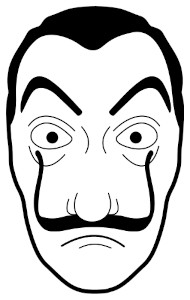
Salvador Dali – The surrealist artist was known for his strange behaviors, such as wearing an antique diving suit and carrying a walking stick with a built-in phallus.

Nikola Tesla – The brilliant inventor was known for his aversion to germs and obsession with the number 3.

Howard Hughes – The billionaire industrialist and aviator was known for his extreme germophobia, reclusiveness, and obsession with aviation.

Lady Gaga – The pop icon is known for her avant-garde fashion sense and eccentric performances, such as wearing a meat dress to an awards show.

Marlon Brando – The legendary actor was known for his peculiar habits, such as having his lines fed to him through an earpiece and insisting on being filmed only in close-ups.

Rasputin – The Russian mystic was known for his wild behavior, such as engaging in orgies and claiming to have healing powers.

Hunter S. Thompson – The journalist and author was known for his drug use, love of firearms, and eccentric personality.

Timothy Leary – The psychologist and counterculture icon was known for his advocacy of psychedelic drugs and unconventional lifestyle.

John McAfee – The software entrepreneur was known for his eccentric behavior, such as claiming to have developed a method to communicate with whales.

Steve Jobs – The Apple co-founder was known for his minimalist fashion sense and perfectionist tendencies.

Richard Branson – The billionaire entrepreneur is known for his adventurous spirit, such as attempting to circumnavigate the world in a hot air balloon.

Oscar Wilde – The writer was known for his flamboyant fashion sense and wit, as well as his homosexuality in a time when it was illegal.

Sarah Winchester – The widow of the Winchester rifle heir was known for her belief in spirits and building a mansion with constantly changing architecture to appease them.

H.R. Giger – The artist and designer was known for his disturbing and erotic artwork, including designing the iconic alien in the movie “Alien”.

Stanley Kubrick – The filmmaker was known for his obsessive attention to detail and control over his films.

Johnny Depp – The actor is known for his eclectic fashion sense and collection of oddities, such as a preserved human finger.

Angelina Jolie – The actress is known for her unusual tattoos, including a Buddhist prayer and the coordinates of her children’s birthplaces.

Shia LaBeouf – The actor is known for his strange behavior, such as wearing a paper bag over his head at a red carpet event.

Madonna – The pop star is known for her controversial music videos and stage performances, such as simulating masturbation during a live concert.

Britney Spears – The pop star is known for her public breakdowns and erratic behavior, such as shaving her head in 2007.

Ozzy Osbourne – The rock star is known for his wild behavior and drug use, as well as biting the head off a bat during a live performance.

Posted on — Leave a comment

Worst Weight Penalty

For the majority of workers, particularly in Western countries, being heavy or obese is associated with lower earnings (known in economics as the weight or obesity wage penalty), not higher ones.

Women: The effect is strongest and most consistent for women. Numerous studies demonstrate that heavier or obese women face a significant pay penalty compared to their slimmer peers. For example, highly educated or upper-white-collar obese women earn anywhere from 10% to 19% less than normal-weight women in similar positions.

Men: For men in white-collar or higher-education roles, obesity is also tied to lower earnings (around a 5% to 14% wage penalty). Across general populations, men’s weight often shows little impact or a very slight negative impact on pay compared to women.

2. The Niche Exception: Manual Labor & Blue-Collar Jobs

The only context where heavier workers occasionally earn slightly more than very thin workers involves specific physical industries:

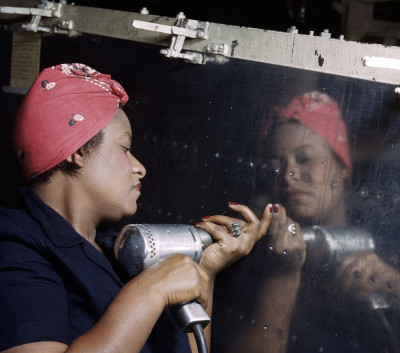
Heavy Physical Labor: In certain manual labor, construction, or production roles, having higher body mass or physical stature can sometimes correlate with greater physical strength, leading to a small “weight premium” when compared specifically to underweight or very thin men.

Underweight Penalty: Studies often find a “thinness penalty” for men in blue-collar jobs, where being significantly underweight leads to lower wages due to perceived lower physical capacity.

Key Takeaway

Outside of physical, manual-labor jobs where raw strength plays a direct role, extensive research across economics and sociology shows that heavier individuals face measurable wage penalties and hiring bias—making the claim that heavy people earn more than slim people false as a general rule.

Posted on — Leave a comment

Worst Understanding of Women’s Pay

People who care about equality will often state that American women make 64 cents for every dollar a man earns. Is it true?

This claim is generally inaccurate for American women overall, but it is accurate for specific demographic groups.

1. Overall National Average

According to data from the U.S. Census Bureau and the Bureau of Labor Statistics, the national gender wage gap is not as wide as 64 cents:

  • Full-Time, Year-Round Workers: On average, women working full-time, year-round earn approximately 84 cents for every dollar earned by men.
  • All Workers (Including Part-Time and Seasonal): When accounting for all working women and men, women earn approximately 78 cents for every dollar earned by men.

2. Where the “64 Cents” Figure Comes From

The 64-cent figure is often cited when discussing demographic breakdowns, specifically race and ethnicity:

  • Black Women: On average, Black women working full-time, year-round earn approximately 64 cents for every dollar earned by white, non-Hispanic men.
  • Latina/Hispanic Women: Earn roughly 60 cents on the dollar compared to white, non-Hispanic men.
  • White Women: Earn roughly 81 cents on the dollar compared to white, non-Hispanic men.

3. “Controlled” vs. “Uncontrolled” Gender Wage Gap

Understanding how these statistics are calculated is crucial for context:

  • Uncontrolled Gap (The 84 Cents Figure): This metric measures the median earnings of all women compared to all men across the economy. It accounts for aggregate differences in earnings, but it does not adjust for factors like industry, job title, years of experience, total hours worked, or education level.
  • Controlled Gap: When comparing men and women performing the same or substantially similar jobs with equivalent education, experience, and hours, the wage gap narrows significantly to approximately 98 to 99 cents on the dollar.
Posted on — Leave a comment

Worst Assumption about Mental Capacity and Women

Male human brains are about 10 percent heavier than female brains.

Across large-scale population studies and autopsy data, adult male human brains weigh roughly 10% to 12% more than adult female human brains:

Average Adult Male Brain: ~1,335 to 1,375 grams (~2.95 lbs)

Average Adult Female Brain: ~1,200 to 1,250 grams (~2.65 lbs)

Key Context:

Body Size Proportions: This absolute difference in weight is almost entirely driven by general differences in total body size and height between sexes. Larger bodies require larger neural structures to manage basic motor and sensory functions.

No Impact on Intelligence:

Absolute brain size within a species does not correlate with cognitive ability or intelligence. Female brains offset the mass difference with higher neuronal density in certain areas, higher proportions of gray matter relative to white matter, and greater cortical thickness.

Even the smallest brains can be remarkably complex and effective. Think of an ant. They can coordinate six legs, make decisions about where to go based on scent and other factors, know how to carry food back to the colony, and do all the things ants need to do, yet their brains are tiny specks.

Posted on — Leave a comment

Worst Name for a Woman

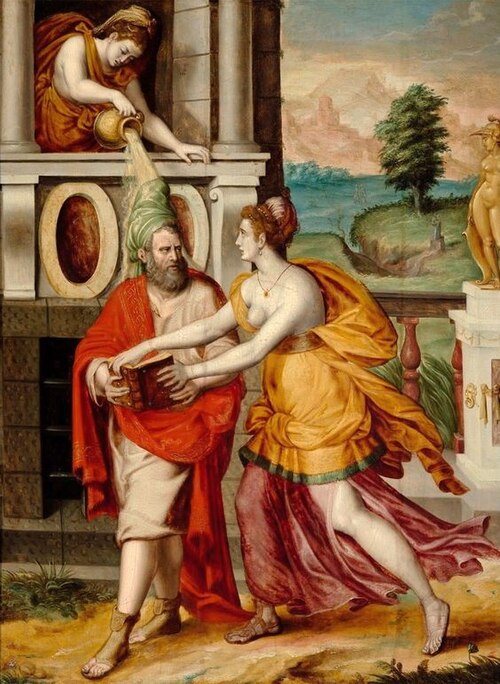
Socrates was married to a woman named Xanthippe (pronounced zan-THIP-ee).

Her name comes from the Ancient Greek words xanthos (“yellow” or “blonde”) and hippos (“horse”), translating roughly to “yellow horse.”

In ancient literary tradition, most notably in writings by Xenophon and later Roman observers, Xanthippe was portrayed as notoriously sharp-tongued, quick-tempered, and argumentative. Her name eventually became a famous literary archetype (an eponym) in Western culture for a nagging, shrewish spouse.

However, modern historians generally view this reputation as exaggerated or unfair. Managing a household, raising three sons, and running a domestic life alongside a famous philosopher who famously took no payment for his work and spent all day debating in the market likely required immense patience!

Posted on — Leave a comment

Worst Cookies

In 1973, Velma Anstadt, a 10th-grade student from Turbotville, Pennsylvania, made national news by baking and serving protein-rich “earthworm cookies”.

The Experiment: To demonstrate alternative, highly nutritious, low-cost protein sources to combat food shortages, Anstadt harvested earthworms, thoroughly washed and dried them, ground them into a powder/flour, and incorporated them into chocolate chip cookie dough.

The Result: Her project won top honors at local and regional science fairs, subsequently qualifying her to present her work at the 26th International Science and Engineering Fair. The story gained widespread media attention at the time as a novelty example of entomophagy (and invertebrate consumption) for human nutrition.

10 Surprising Facts About Earthworms

  1. They Have 5 “Hearts”
    Earthworms don’t have a single heart like humans do. Instead, they have five pairs of muscular arches called aortic arches that pump blood through their circulatory system.
  2. They Breathe Through Their Skin
    Earthworms have no lungs. They absorb oxygen and release carbon dioxide directly through their skin. To make this work, their skin must remain moist at all times; if an earthworm dries out, it suffocates.
  3. Every Earthworm Has Both Male and Female Organs
    Earthworms are hermaphrodites. Each worm possesses both male and female reproductive structures. However, they still usually need a partner to mate, exchanging sperm to fertilize each other’s eggs.
  4. They Can Eat Their Own Body Weight Every Day
    In rich soil conditions, an earthworm can consume and process its own weight in soil, decaying leaves, and organic matter every 24 hours.
  5. Their Digestion Creates “Black Gold” for Soil
    When earthworms digest organic material, their excretions—called worm castings—are rich in nitrogen, phosphorus, potassium, and magnesium. Castings serve as a powerful natural fertilizer, while worm tunnels aerate soil and help retain water.
  6. They Can Live for Up to 8 Years
    While most wild earthworms die early due to predators (like birds and moles) or drying out, some species can live for 4 to 8 years under safe, ideal conditions.
  7. Cutting One in Half Doesn’t Make Two
    Contrary to popular belief, if you cut an earthworm in half, it will not become two living worms. Only the head end might survive and regenerate its tail if the cut occurs behind vital organs. The tail portion cannot grow a new head and will die.
  8. Giant Earthworms Can Reach 10 Feet Long
    The Giant Gippsland earthworm (Megascolides australis), native to Australia, averages around 3 feet long but can grow to over 9 to 10 feet in length and can be as thick as a human thumb.
  9. They Are Covered in Microscopic Bristles
    Earthworms aren’t completely smooth; they are covered in tiny, hair-like bristles called setae. They anchor these bristles into the surrounding dirt to push and pull themselves forward through the soil.
  10. They Are Not All Native to North America
    Glaciers wiped out native earthworm populations across northern North America thousands of years ago. Most common species found in gardens today, such as nightcrawlers (Lumbricus terrestris), were accidentally introduced by European settlers in plant soil and ships’ ballast.
Posted on — Leave a comment

Worst Comment on Fashion

“Fashion is a form of ugliness so intolerable that we have to alter it every six months.”
-Oscar Wilde

Oscar Wilde (1854–1900) was an Irish poet, playwright, and novelist, widely recognized as one of the most brilliant wits and literary figures of the late Victorian era. Known for his flamboyance, aesthetic philosophy (“art for art’s sake”), and razor-sharp satire, Wilde achieved massive acclaim with his plays—most notably The Importance of Being Earnest—and his iconic novel, The Picture of Dorian Gray. His career came to a tragic end following his conviction for “gross indecency” under Victorian anti-homosexuality laws, leading to two years of hard labor and his premature death in exile in Paris.

10 Interesting & Weird Facts About Oscar Wilde

  1. He was an aesthetic fashion icon and toured America wearing velvet knee breeches.
    In 1882, Wilde embarked on a year-long lecture tour across North America to teach aesthetics. He famously dressed in velvet jackets, knee breeches, silk stockings, and flowing cravats, becoming an instant media sensation.
  2. When entering U.S. customs, he allegedly declared only his genius.
    While likely an apocryphal story or a late-in-life exaggeration, legend holds that when asked by a customs officer in New York if he had anything to declare, Wilde replied: “I have nothing to declare except my genius.”
  3. He out-drank rugged silver miners in Leadville, Colorado.
    During his American tour, Wilde visited a mining town in Colorado. Expecting him to be a frail aesthete, the local miners were stunned when Wilde happily went down into the mines, drank straight whiskey with them, and out-drank almost every miner at the table.
  4. He edited a Victorian women’s magazine.
    From 1887 to 1889, Wilde served as the editor of The Lady’s World, which he promptly renamed The Woman’s World. He broadened its scope from light fashion and gossip to include articles on female education, politics, and employment.
  5. He was a brilliant student who excelled at classical studies.
    Behind his playful dandy persona was a formidable scholar. Wilde attended Trinity College Dublin and later Oxford University, winning the prestigious Newdigate Prize for poetry and earning top first-class honors in Literae Humaniores (Classics).
  6. His trial was sparked by a misspelled insult on a calling card.
    The Marquess of Queensberry (the father of Wilde’s lover, Lord Alfred Douglas) left a calling card at Wilde’s club addressed to “Oscar Wilde, posing somdomite” [sic]. Wilde sued him for criminal libel, a disastrous legal move that ultimately backfired and led to Wilde’s own arrest and conviction.
  7. He wrote his play Salomé in French.
    Wilde was fluent in French and chose to write his controversial 1891 tragedy Salomé directly in the language. It was initially banned from the London stage because British law prohibited the depiction of biblical figures in theater.
  8. He befriended and championed Walt Whitman.
    During his visit to the U.S., Wilde made a point to visit the aging poet Walt Whitman at his home in Camden, New Jersey. The two spent hours chatting and drinking elderberry wine, and Wilde later wrote fondly of Whitman’s influence.
  9. His final years were spent under a fake name in Paris.
    After surviving two years of harsh prison conditions—which severely ruined his health and finances—Wilde left England for France in 1897. He lived out his remaining years penniless, adopting the alias Sebastian Melmoth (inspired by the saint and a gothic novel written by his great-uncle).
  10. His famous last words targeted a piece of home decor.
    As he lay dying in a modest Parisian hotel room in November 1900, Wilde reportedly retained his famous wit to the very end, quipping: “My wallpaper and I are fighting a duel to the death. One or the other of us has to go.”
Posted on — Leave a comment

Worst Chinese Taboo

If you have ever looked at old Chinese art, you will note that they were very free in painting eroticism. However, you will never ever see a naked woman’s foot. In their culture, that would have been incredibly shocking.

The cultural context behind why this was true centers on the history of foot binding in Imperial China (from the Song dynasty through the early 20th century):

The Ultimate Sexual Taboo:

Bound feet (lotus feet) were considered the most intimate and erotic part of a woman’s body. While nudity of the breasts or genitalia was depicted relatively freely in erotic art—known as Chungongtu or “Spring Palace Paintings” — unveiling the bare, unbound foot was strictly taboo.

Depiction in Art:

In traditional Chinese erotica, women are frequently shown fully naked except for their shoes or the fabric wrappings (zubu) around their feet. A man touching, holding, or seeing a woman’s bare foot was considered a deeply explicit act of intimacy.

The Reality of Bound Feet:

Beyond the eroticization, bound feet were severely deformed and bone-broken, often suffering from tissue damage and infection. Keeping the feet wrapped in embroidered silk shoes maintained the fantasy and aesthetic of the “three-inch golden lotus” while concealing the physical reality underneath.

Posted on — Leave a comment

How To Avoid Raising the Worst Daughters

From a book written in 1858:

Daughters: Mothers, who wish not only to discharge well their own duties in the domestic circle, but to train up their daughters at a later day to make happy and comfortable firesides for their families, should watch well, and guard well, the notions which they imbibe and with which they grow up. There will be so many persons ready to fill their young heads with false and vain fancies, and there is so much always afloat in society opposed to duty and common sense, that if mothers do not watch well, they may contract ideas very fatal to their future happiness and usefulness, and hold them till they grow into habits of thought or feeling. A wise mother will have her eyes open, and be ready for every case.

Posted on — Leave a comment

Worst Fashion Trend

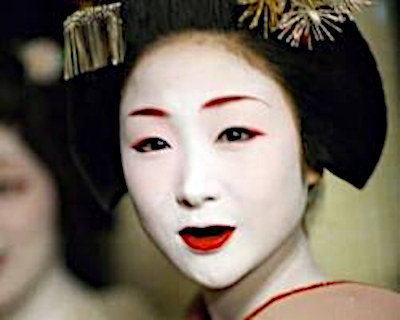
For a long time in Japan, fashionable women painted their teeth black.

Key Details About the Practice

  • Beauty and Social Status: Pitch-black objects were historically viewed as sophisticated and aesthetically pleasing in Japan. Blackened teeth were worn as a mark of beauty, maturity, and refinement.
  • Who Did It? During the Heian period (794–1185), it was practiced primarily by aristocratic men and women as a coming-of-age ritual. By the Edo period (1603–1867), it became a widespread tradition associated specifically with married women, as well as geisha and court nobles.
  • The Recipe: The dye (called kanemizu) was made by dissolving iron filings in vinegar to create an iron acetate solution, which was then mixed with plant tannins (such as tea or gallnut powder).
  • Dental Protection: Surprisingly, the mixture acted as an effective dental sealant. The coating protected teeth against cavities and enamel decay long before modern dental care existed.
  • Why It Ended: When Japan opened its borders and modernized during the Meiji Restoration, the government banned ohaguro in 1870 to adopt Western beauty standards.