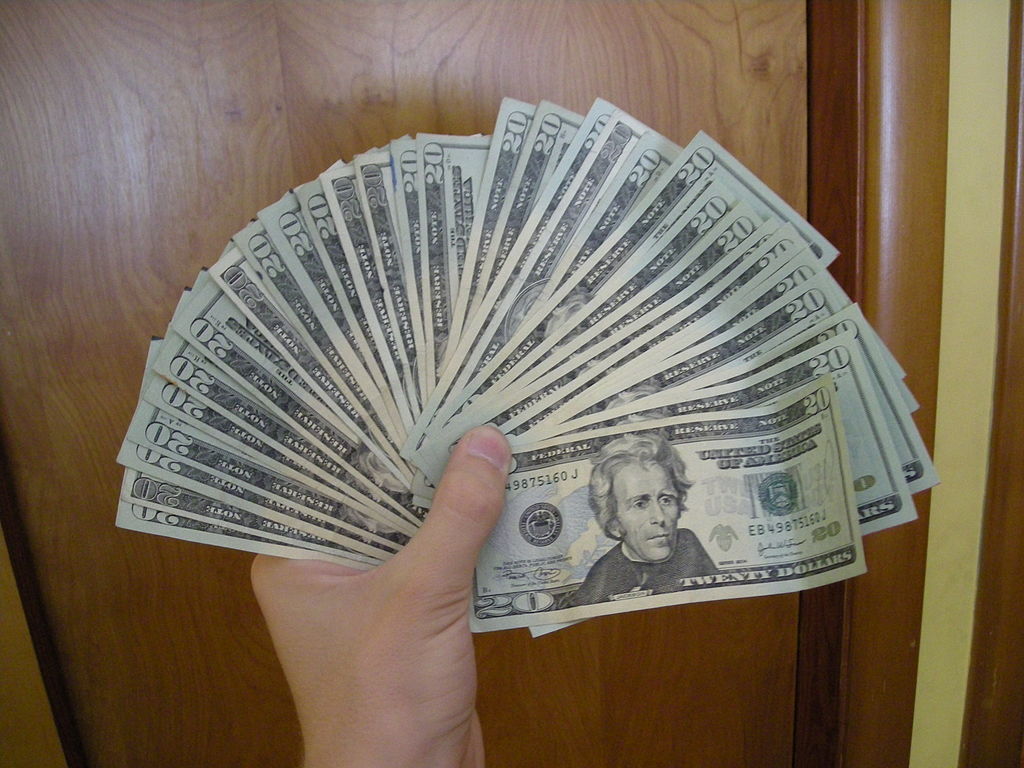
In Japanese corporations, the CEO (Chief Executive Officer) is paid an average of 45 times as much as the common workers. In America, the average CEO gets 300 times as much as the workers.
During difficult financial times, in companies that have to lay off 300 workers, perhaps they should fire the boss instead. I’m sure the 100 workers produce more profit and I think if they pooled their thoughts, they could run things at least 300 times better than the average American CEO. In fact, one good worker from the trenches might do a better job of decision-making, and he might be quite happy with a salary of only two or three times as much as he was getting.
Here are some specifics:
The Japanese Ratio:
For major publicly listed firms on the Tokyo Stock Exchange (TOPIX 100 / Nikkei 225), the median CEO-to-average worker pay ratio generally ranges between 30-to-1 and 60-to-1, depending on executive equity compensation.
Context: Japanese corporate culture historically emphasizes workplace solidarity, salary caps relative to line workers, and limited use of stock option packages. However, Japanese executive pay has risen in recent years as companies introduce more performance-based equity incentives to compete globally.
The American Ratio:
According to annual analyses by organizations like the Economic Policy Institute (EPI) and the AFL-CIO Executive Paywatch, the CEO-to-worker pay ratio for major public companies (such as the S&P 500 or top 350 U.S. firms) typically ranges between 270-to-1 and 320-to-1.
Historical Origins: A 100-to-1 ratio in the U.S. was common around 1990. In 1965, the U.S. ratio was roughly 21-to-1; by 1989, it reached ~60-to-1, and surpassed 100-to-1 during the mid-1990s before climbing to its current levels driven by large stock and option grants.