Posted on — Leave a comment

Worst Meal

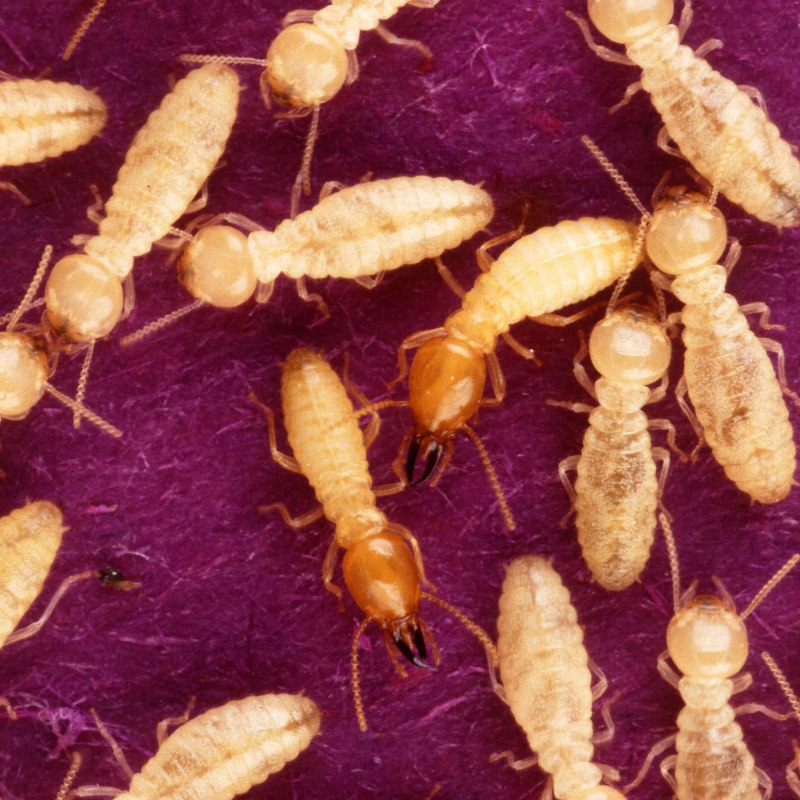
Roasted termites are a traditional food and a recognized delicacy across many regions of Sub-Saharan Africa, including parts of West, Central, and Southern Africa.
Details & Preparation

Cultural Significance: Termites—specifically the large winged reproductive termites (often called alates or kunturu, chintowe, or madzhulu depending on the region)—emerge in massive swarms at the start of the rainy season. Harvesting them is often a seasonal event celebrated by communities.

Preparation: After being collected, their wings are removed. They are typically dry-roasted in a pan or fried in their own natural oils, often seasoned simply with salt. Once roasted, they become crunchy and are eaten as a snack or served over porridge (such as ugali or sadza).

Taste Profile: Roasted termites are frequently described as having a rich, nutty, and slightly buttery flavor.

Many people in Laos would think you were crazy if you refused to eat giant water bugs.

Posted on — Leave a comment

Worst Food

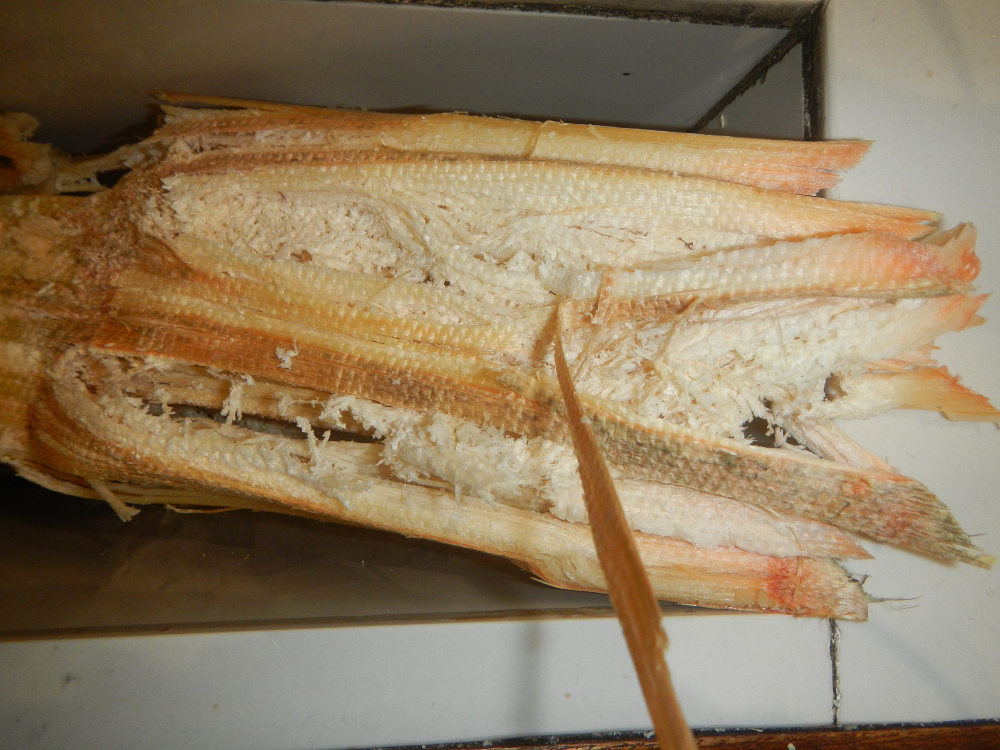
Sugar Cane

Julie Andrews sang in Mary Poppins, “Just a spoonful of sugar helps the medicine go down.” In fact, for one minor ailment, sugar is the medicine. According to one doctor who set up carefully controlled laboratory tests, swallowing a teaspoonful of dry sugar is the best way to stop hiccups. Note: In the case of many other, serious ailments, sugar is the cause.

10 Surprising Facts About How Sugar Affects Your Health

  1. It Triggers the Same Reward Pathways as Addictive Substances
    Eating added sugar triggers a massive release of dopamine in the brain’s reward center (the nucleus accumbens). Over time, frequent high-sugar intake can downregulate dopamine receptors, requiring larger amounts of sugar to achieve the same feeling—a key hallmark of chemical tolerance and craving loops.
  2. It Causes a Specific Type of Fat Accumulation Around the Liver
    Unlike glucose, which every cell in the body can use for fuel, fructose (a major component of table sugar and high-fructose corn syrup) is processed almost exclusively by the liver. Excess fructose gets converted directly into fat, which accumulates in liver cells and can lead to Non-Alcoholic Fatty Liver Disease (NAFLD).
  3. It Accelerates Skin Aging via “Glycation”
    When excess sugar circulates in the blood, it attaches to proteins and fats in a process called advanced glycation end-products (AGEs). AGEs damage collagen and elastin—the structural proteins that keep skin firm and springy—causing premature wrinkles and sagging.
  4. It Increases Heart Disease Risk Independent of Body Weight
    Even in individuals who are not overweight, a high-sugar diet significantly increases cardiovascular mortality. A landmark 15-year study showed that people who consumed 17% to 21% of their daily calories from added sugar had a 38% higher risk of dying from heart disease compared to those keeping it under 10%.
  5. It Suppresses the Hormone That Signals You Are Full
    High consumption of added fructose can lead to resistance to leptin, the hormone produced by fat cells that tells your brain when you are full. Leptin resistance tricks the brain into thinking the body is starving, leading to overeating and continuous hunger.
  6. It Silently Promotes Systemic Low-Grade Inflammation
    Excessive sugar intake drives the production of inflammatory cytokines and increases C-reactive protein (CRP) levels in the blood. Chronic internal inflammation is an underlying driver for autoimmune conditions, joint degeneration, and arterial wall damage.
  7. It Starves Beneficial Gut Microbes
    Diets heavy in refined sugars feed pathogenic bacteria and yeasts (such as Candida) in the gut while starving beneficial microbes that thrive on fiber. This dysbiosis damages the intestinal mucosa, impairs nutrient absorption, and negatively impacts gut-brain communication.
  8. It Accelerates Cellular Aging (Telomere Shortening)
    Consuming sugar-sweetened beverages is associated with shorter telomeres—the protective caps on the ends of chromosomes. Shorter telomeres indicate faster biological aging at a cellular level, similar to the cellular damage caused by smoking.
  9. It Increases Risk of Kidney Stones and Chronic Kidney Disease
    Excess fructose raises uric acid levels in the blood, which can crystallize into painful kidney stones. High blood sugar also stresses the glomeruli (tiny filtering units in the kidneys), increasing the risk of chronic kidney damage over time.
  10. It Triggers Highs and Lows in Daily Energy and Mood
    Simple sugars break down rapidly into glucose, causing a rapid spike in blood sugar followed by an overproduction of insulin. This creates a dramatic blood sugar “crash” (reactive hypoglycemia), which frequently causes brain fog, irritability, fatigue, and anxiety within hours of consumption.

Reducing sugar, and starch which is turned into sugar by digestion, has been known to cure many ailments including diabetes and high blood pressure.

Posted on — Leave a comment

Worst Cookies

In 1973, Velma Anstadt, a 10th-grade student from Turbotville, Pennsylvania, made national news by baking and serving protein-rich “earthworm cookies”.

The Experiment: To demonstrate alternative, highly nutritious, low-cost protein sources to combat food shortages, Anstadt harvested earthworms, thoroughly washed and dried them, ground them into a powder/flour, and incorporated them into chocolate chip cookie dough.

The Result: Her project won top honors at local and regional science fairs, subsequently qualifying her to present her work at the 26th International Science and Engineering Fair. The story gained widespread media attention at the time as a novelty example of entomophagy (and invertebrate consumption) for human nutrition.

10 Surprising Facts About Earthworms

  1. They Have 5 “Hearts”
    Earthworms don’t have a single heart like humans do. Instead, they have five pairs of muscular arches called aortic arches that pump blood through their circulatory system.
  2. They Breathe Through Their Skin
    Earthworms have no lungs. They absorb oxygen and release carbon dioxide directly through their skin. To make this work, their skin must remain moist at all times; if an earthworm dries out, it suffocates.
  3. Every Earthworm Has Both Male and Female Organs
    Earthworms are hermaphrodites. Each worm possesses both male and female reproductive structures. However, they still usually need a partner to mate, exchanging sperm to fertilize each other’s eggs.
  4. They Can Eat Their Own Body Weight Every Day
    In rich soil conditions, an earthworm can consume and process its own weight in soil, decaying leaves, and organic matter every 24 hours.
  5. Their Digestion Creates “Black Gold” for Soil
    When earthworms digest organic material, their excretions—called worm castings—are rich in nitrogen, phosphorus, potassium, and magnesium. Castings serve as a powerful natural fertilizer, while worm tunnels aerate soil and help retain water.
  6. They Can Live for Up to 8 Years
    While most wild earthworms die early due to predators (like birds and moles) or drying out, some species can live for 4 to 8 years under safe, ideal conditions.
  7. Cutting One in Half Doesn’t Make Two
    Contrary to popular belief, if you cut an earthworm in half, it will not become two living worms. Only the head end might survive and regenerate its tail if the cut occurs behind vital organs. The tail portion cannot grow a new head and will die.
  8. Giant Earthworms Can Reach 10 Feet Long
    The Giant Gippsland earthworm (Megascolides australis), native to Australia, averages around 3 feet long but can grow to over 9 to 10 feet in length and can be as thick as a human thumb.
  9. They Are Covered in Microscopic Bristles
    Earthworms aren’t completely smooth; they are covered in tiny, hair-like bristles called setae. They anchor these bristles into the surrounding dirt to push and pull themselves forward through the soil.
  10. They Are Not All Native to North America
    Glaciers wiped out native earthworm populations across northern North America thousands of years ago. Most common species found in gardens today, such as nightcrawlers (Lumbricus terrestris), were accidentally introduced by European settlers in plant soil and ships’ ballast.
Posted on — Leave a comment

Worst Advice for the Preservation of Health

From a book written in 1858:

Of course this advice is mostly wrong but some is surprisingly accurate.

“Rules for the preservation of health: Pure atmospheric air is composed of nitrogen, oxygen, and a very small proportion of carbonic acid gas. Air once breathed has lost the chief part of its oxygen, and acquired a proportionate increase of carbonic acid gas. Therefore, health requires that we breath the same air once only.

The solid part of our bodies are continually wasting, and requires Continue reading Worst Advice for the Preservation of Health

Posted on — 2 Comments

Worst Synonyms For Drunk

According to the “Guiness Book of World Records,” there are as many as 2,241 synonyms for the state of being “drunk.” How many can you list? Seriously, how many can you list? Go ahead and leave your synonyms for ‘drunk’ in the comment area below. When we have enough of them, I’ll publish the list.

Tipsy

Smashed

Wasted

Plastered

Sloshed

Hammered

Buzzed

Sauced

Pickled

Inebriated

Humorous

Swimming in gin

Feeling no pain

Seeing double

Having a chat with the floor

Danced with Dionysus

Holding onto walls for dear life

On a liquid diet

In the bag

Turned into a karaoke monster

Brain marinated in whiskey

Regional Slang

Trollied (UK)

Langered (Ireland)

Maggoted (Australia)

Bladdered (UK)

Pished (Scotland)

Off your face (UK)

Rotten (New Zealand)

Arseholed (UK)

Munted (NZ/Aus)

Paralytic (UK)

Obscure or Old-Timey

Three sheets to the wind

Well-oiled

In one’s cups

Pie-eyed

Half-seas over

Stewed

Blotto

Tight

Juiced

Tanked

Medical or Formal

Intoxicated

Under the influence

Experiencing ethanol impairment

Exhibiting symptoms of alcohol toxicosis

Impaired judgment

BAC elevated

CNS depressant activated

Alcohol-positive

Neurologically uninhibited

Liver-challenged

Animal Inspired

Drunk as a skunk

Buzzed like a bee

Soared like a bat

Waddling like a duck

Sloshed like a fish

Stumbling like a newborn foal

Rabid raccoon energy

Eyes like a barn owl

Mooing like a drunk cow

Oinking through karaoke

Vehicle or Mechanical Metaphors

Off the rails

Spinning the wheels

Out of gas, full of wine

Clutch slipping

Running on booze fumes

Leaking oil

Headlights off

In a tailspin

Crash landed

Shifting without a clutch

Food and Drink

Marinated

Pickled

Fermented

Soaked

Battered

Breaded and deep-fried

Drenched in spirits

Whiskey-braised

Wine-glazed

Beer-battered soul

Descriptive Phrases

Not walking a straight line

Lacking vertical loyalty

Speaking in slurs

Laughing at nothing

Red-faced and rambly

Brain swimming

Senses foggy

Volume at 150%

Emotional and confused

Loosened tongue

Mythical & Magical

Hexed by hops

Elven-wine drunk

Wizard-whiskey whammied

Goblin-mode activated

Cursed by ale

Under the mead spell

Dragon-breathed

On a unicorn bender

Satyr-influenced

Bacchus-blessed

Literary & Poetic

Drenched in dusk-colored wine

Floating on amber tides

Mind adrift in barley clouds

A symphony of slurred syllables

Thoughts swimming through molasses

Smiling through fogged glass

Drunk on stars and bourbon

Lips dripping poetry and vodka

Slurring through Shakespeare

Marooned on merlot shores

Modern & Internet-Inspired

Glitched out

Lagging IRL

Buffering badly

Full emoji mode

TikTok stumble star

Drunkposting

Podcasting from the floor

Autocorrect in real life

Streaming sideways

IRL screenshot fail

Visual Metaphors

Blurred like an old TV

Candle in a wind tunnel

Cross-eyed at the moon

Eyes in disco mode

Face in Picasso formation

Seeing with beer goggles

World on spin cycle

Legs on spaghetti setting

Lights on, everyone partying

Jello-legged

Music & Sound

Volume maxed

Singing off-key with confidence

DJ Vodka took over

Echo chamber in the brain

Doing the two-step on one leg

Waltzing with wobble

Speaking jazz

Soundtrack: chaos

Dissonant monologue

Karaoke heroics

Pop Culture References

Tony Stark at a press conference

Homer Simpson after Moe’s

Bridget Jones on a breakup night

Jack Sparrow swagger

Stumbling like a sitcom dad

Ron Swanson, but on wine

Tyrion Lannister level

The Hangover: live edition

Thor after mead

Wario cart driving

Situational

Clinging to a lamp post

Talking to a fire hydrant

Arguing with a pizza

Hugging strangers

Crying at commercials

Dancing with shadows

Toasting to no one

Walking like a crab

Singing to an ATM

Laughing alone in the mirror

Objects & Elements

Liquid lightning inside

Whiskey-tornado brain

Fog-machine internal

Corked up emotions

Glass full of bad ideas

Carbonated decisions

Wine-slick soul

Firewater madness

Bubbly brainstorm

Iceberg-level tipsy

Surreal & Absurd

Cheesed and confused

Moonwalking through molasses

Astronaut without gravity

Talking in cursive

Wearing invisible roller skates

Brain on vacation

Internal earthquake

Rodeo of regrets

Wobble-dimensional

On a first-name basis with gravity

Clever Wordplay

Chardonnay-shay

Gin-giggled

Cognac-comatose

Tequila-vision

Vodka-vaporized

Rum-rattled

Brew-boozled

Ale-ments of confusion

Martini-mushed

Scotch-guarded memory

Just Plain Weird

Emotionally sticky

Conducting invisible orchestra

Body on shuffle

Stomach singing show tunes

Conversing in whale

Napping while standing

Flirting with chairs

Horizontal ambition

Sense of time: melted

More spirit than man

Pictured above: “Drunk Father,” by George Bellows
Posted on — Leave a comment

Worst Aphrodisiac

An aphrodisiac is a substance such as a food, drink, drug, or potion that increases sexual desire, attraction, pleasure, or performance.

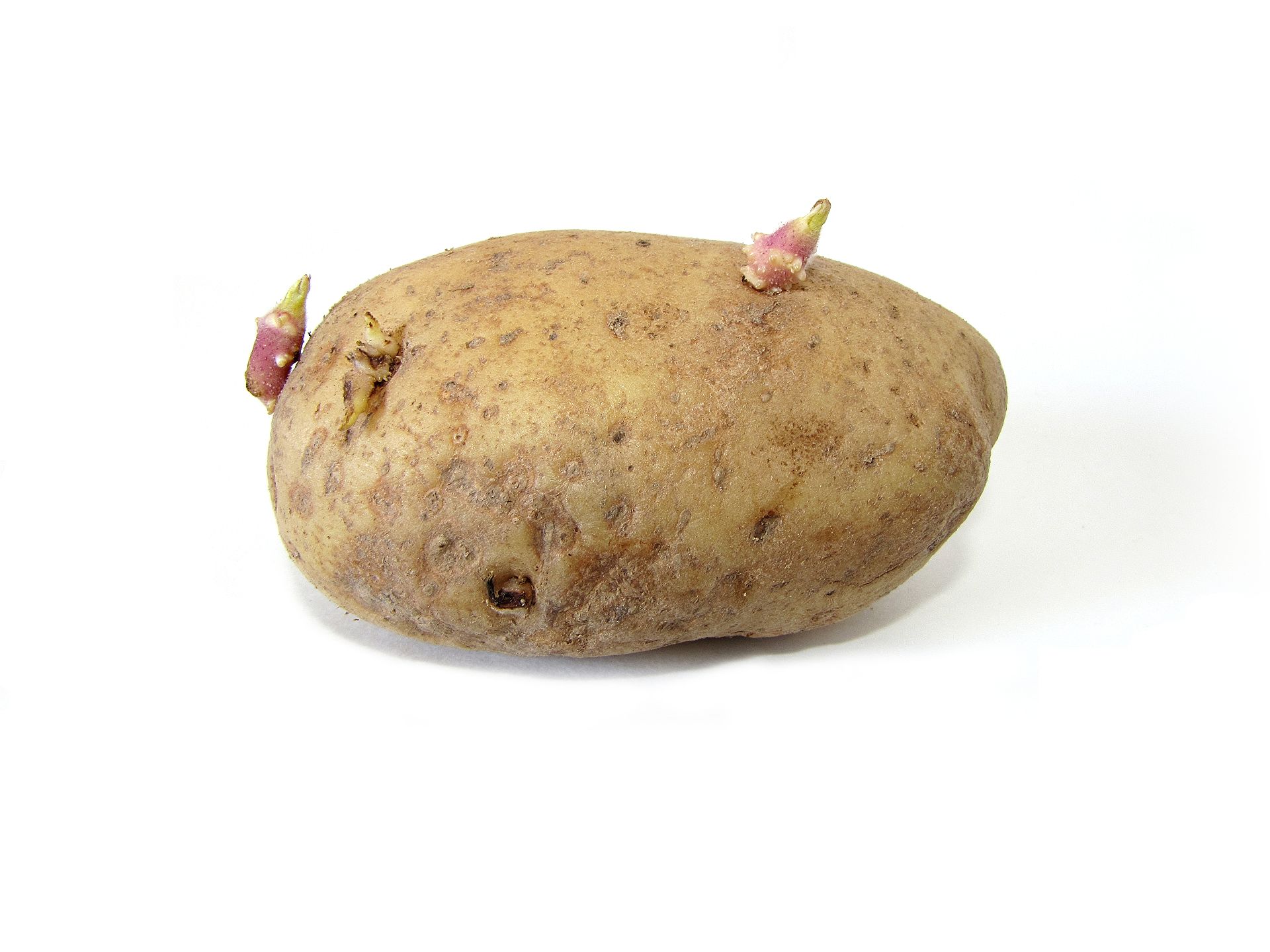
There was a time and place where plain old potatoes fetched over $1,000 per pound. Until the mid 16th century, Spaniards had never seen potatoes and for a while it was assumed that they had aphrodisiac qualities.

10 Interesting Facts About Aphrodisiacs

  1. The word comes from the Greek goddess of love
    The term “aphrodisiac” is derived from Aphrodite, the ancient Greek goddess of love, beauty, passion, and procreation.
  2. The “placebo effect” is their strongest feature
    Modern science shows that most historical and popular aphrodisiacs have little to no measurable physiological impact on human libido. Instead, their perceived effectiveness is heavily driven by the psychological placebo effect—believing something will work often makes it work.
  3. Sympathetic magic drove ancient choices
    Throughout history, many foods were labeled as aphrodisiacs simply because of their physical appearance. Known as the “Doctrine of Signatures,” ancient cultures believed that foods resembling human reproductive organs—such as figs, avocados, oysters, and rhinoceros horns—possessed magical properties to boost fertility and drive.
  4. Oysters earned their reputation through zinc and history
    Giacomo Casanova famously ate 50 oysters every morning for breakfast to maintain his stamina. While the claim may be embellished, oysters are exceptionally high in zinc, a mineral vital for testosterone production and sperm health.
  5. Chocolate contains mood-boosting chemical compounds
    Dark chocolate contains phenylethylamine (often called the “love chemical”), which releases endorphins and dopamine in the brain, as well as tryptophan, a precursor to serotonin. While the concentrations are too small to act as a direct physiological aphrodisiac, it undoubtedly elevates mood.
  6. “Mad Honey” was used as a risky physical stimulant
    In parts of Turkey and Nepal, bees collect nectar from specific rhododendron species, producing a rare honey containing grayanotoxins. In tiny doses, “mad honey” produces a mild euphoric sensation and vasodilation historically used to boost performance, though slightly higher doses cause severe toxicity, hallucinations, and cardiac issues.
  7. Spanish Fly is actually a toxic, dangerous beetle
    Historically famous as a potent aphrodisiac, “Spanish Fly” is crushed beetle tissue containing cantharidin. Rather than increasing genuine desire, cantharidin irritates the urinary tract and genital tissue, causing swelling and inflammation. It is highly toxic, causing severe kidney damage and potential death.
  8. Nutmeg was once a prized, hallucinogenic love potion
    In medieval Europe and traditional Ayurveda, nutmeg was considered a powerful aphrodisiac. In large doses, nutmeg contains myristicin, a compound that acts as a psychoactive substance, causing warmth, euphoria, and mild hallucinations—though, like Spanish Fly, large doses carry severe toxic side effects.
  9. Chili peppers trigger a physiological mimicry of arousal
    Capsaicin, the compound that makes chili peppers spicy, increases heart rate, stimulates nerve endings, causes sweating, and releases endorphins. These physiological reactions closely mirror the body’s natural response to sexual arousal.
  10. Modern medicine recognizes only a few true performance enhancers
    While true aphrodisiacs (substances that inherently generate sexual desire) remain largely elusive in pharmacology, modern medicine has successfully created erectile dysfunction treatments (like sildenafil/Viagra) which work on blood circulation, rather than altering mental libido directly.
Posted on — Leave a comment

Worst Advice to Ignore

Science and common observation have proven time and again that a low-sugar, natural, mostly vegetarian diet gives you the most energy, longest life and most mental clarity. Leonardo Da Vinci was a vegetarian who ate all-organic, low sugar content foods (as did everyone back then), and was known not only for his intelligence, but for his strength. People used to come from miles around to witness his physical demonstrations.


Leonardo DaVinci on eating

There are obstacles in learning to eat well. It is difficult to eat with less-well informed friends. There are few restaurants that cook with good ingredients. However, if you can eat well for a couple of months, you will feel a transition occur. You will actually seek out the good food by choice. Sugar and salt become less important automatically, and after a while, you will no longer seek them. You will start to feel a confidence when conversing with friends about food, and maybe even help them to eat better and live longer. Soon you will feel a pride in knowing that you have done something good for yourself, and will learn that you can more easily make the major changes you want.

Posted on — Leave a comment

Worst Load of Rotten Fruit

Because Jared lived on the Big Island of Hawaii, he had few options for earning a living.

He found an orchard that would sell him a pickup truck full of too-ripe papayas for $25. He figured most of these were still quite edible, and so he could sell them to tourists near the hotels.

He bought a load, made a sign and parked his truck. The first day, he made $100 or so, and he was delighted with his new business idea.

The second day, all the papayas were becoming too ripe and he only made $50.

The third day, it was obvious he couldn’t sell any more papayas, even though his truck was still almost entirely full.

He tried to bury them in his yard, but after an hour of digging, he had only a small hole. He took them to the dump, but they were not accepting truckloads of produce. They rotted in the back of his truck.

Because of the stench, the truck was no longer drivable. I don’t know how the story ended, but I’m sure Jared’s truck was never completely clean and stink-free again.

Posted on — Leave a comment

Worst Things to Eat

In 1985, a valve in a dairy leaked a little bit of raw milk into a large tank of pasteurized milk. Two hundred thousand people got food poisoning.

Fifty percent of all turkeys and 37 percent of all chickens that you can buy in grocery stores are contaminated with Campylobacter (food poisoning) according to the US Food and Drug Administration.

Last year 81 million Americans got sick from food poisoning and 9,000 of them died. The average American will get food poisoning 100 times in a lifetime. The symptoms are headache, sick feeling, diarrhea. Most people think this is the flu. To prevent food poisoning, clean all kitchen items with heat, never leave food at room temperature for more than a few minutes, and never handle prepared food after handling raw meat or poultry.