Posted on — Leave a comment

Worst Kind of Sweat

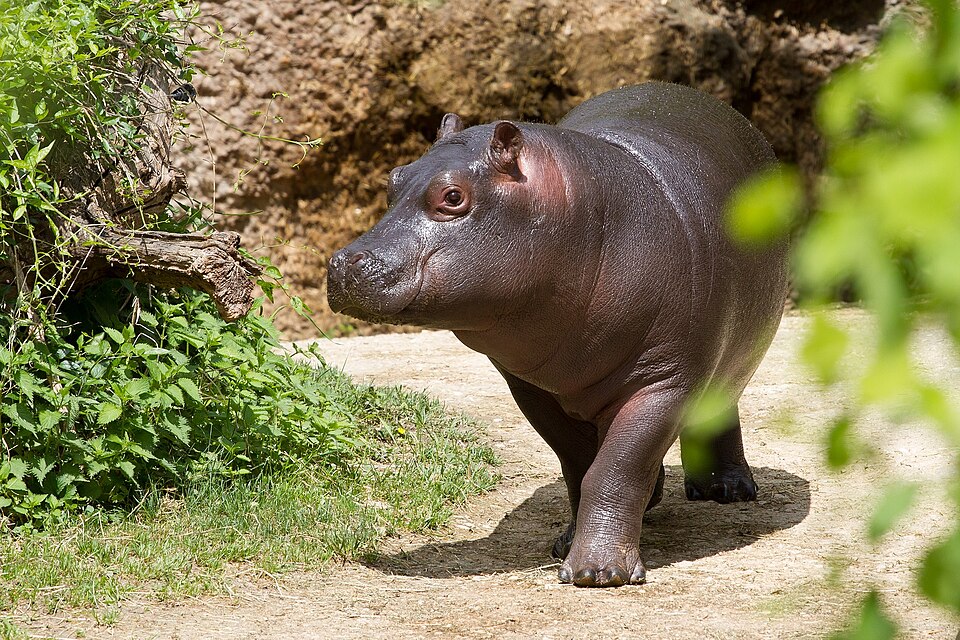
When hippos sweat, their sweat is red.

Hippos secrete a thick, reddish-pink fluid often called “blood sweat.” It isn’t actually blood or sweat, but a combination of hipposudoric acid and norhipposudoric acid. This pigment acts as a natural sunscreen, moisturizes their skin, and doubles as a powerful antibacterial agent.

The skin of a hippopotamus is an one-and-a-half inches (3.8 cm) thick and nearly bulletproof.

They Can’t Actually Swim or Float

Despite spending most of their lives in water, hippos are too dense to float or swim. Instead, they sink to the bottom and move around by bouncing off the riverbed or walking along the underwater floor.

They Breathe Automatically While Asleep Underwater

Hippos can hold their breath underwater for up to five minutes. When sleeping submerged, their bodies automatically surface, take a breath, and sink back down without ever waking them up.

Their Closest Living Relatives Are Whales and Dolphins

Although they resemble giant pigs, hippos are genetically far closer to cetaceans (whales, dolphins, and porpoises). Their common ancestor split into land-based hippos and aquatic cetaceans roughly 55 million years ago.

They Use “Fecal Deflection” to Mark Their Territory

To mark their territory, a male hippo will spin its paddle-like tail rapidly while defecating. This sprays feces over a wide area, signaling ownership of a stretch of water or riverbank to rival males.

They Have an Explosively Powerful Yawn That Doubles as a Threat

When a hippo opens its mouth wide in what looks like a lazy yawn, it isn’t tired. It is actually displaying its massive, self-sharpening lower canine teeth (which can reach nearly 20 inches in length) to intimidate rivals and establish dominance.

Their Milk Is Bright Pink

While normal hippo milk is white or cream-colored, it often mixes with the reddish hipposudoric acid secreted from their skin while nursing, giving the milk a distinct pink hue.

They Can Outrun Most Humans

Despite weighing up to 4,000 pounds (1,800 kg), hippos can run at speeds of 19 to 30 mph (30 to 48 km/h) over short distances—easily outpacing the fastest human sprinters.

Invasive “Cocaine Hippos” Are Thriving in Colombia

In the late 1980s, drug lord Pablo Escobar imported four hippos to his private estate in Colombia. After his death, the hippos were left to roam free, and their population has ballooned to over 150 individuals, making them the largest invasive land mammal outside of Africa.

They Are Responsible for More Human Deaths in Africa Than Lions

Hippos are fiercely territorial and highly unpredictable. Because of their aggressive nature, powerful jaws, and tendency to charge boats or people getting between them and the water, they kill more humans in Africa each year than lions, leopards, or elephants.
Posted on — Leave a comment

Worst Sibling Rivalry

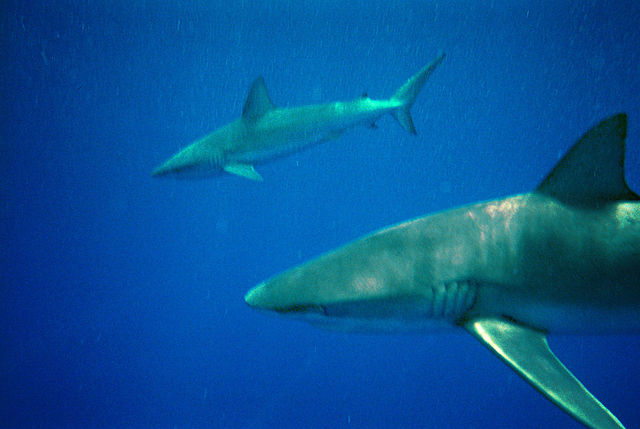
One species of shark is so competitive that the babies fight each other within their mother, until only one is left to be born.

Sharks almost never get cancer. Scientists are studying them to find out why, and whether their protection is adaptable to humans.

Sharks are older than trees.

Sharks have been around for roughly 450 million years, while the first trees appeared about 385 million years ago. Sharks were already swimming in ancient oceans before forests existed.
Some sharks glow in the dark.

Several deep-sea species are bioluminescent or biofluorescent, producing or manipulating light. The cookiecutter shark, for example, has a glowing underside that may help disguise its silhouette from predators below.

Sharks can replace their teeth constantly.

A shark may lose thousands of teeth during its lifetime. New teeth continually move forward from rows behind the functional teeth, creating what amounts to a conveyor belt of dental replacements.

The Greenland shark may live for centuries.

Greenland sharks are among the longest-lived vertebrates known. Scientists have estimated that some can live several hundred years, with one famous estimate suggesting an age of around 400 years.

Sharks can detect electricity.

Special organs called ampullae of Lorenzini allow sharks to detect tiny electrical fields produced by living animals. This can help them locate prey even when it is hidden beneath sand.

A shark’s skin feels like sandpaper.

Shark skin is covered with tiny tooth-like structures called dermal denticles. They make the skin rough and also help reduce drag as the shark moves through water.

Some sharks can walk.

Several species of epaulette shark can use their fins to “walk” across the seafloor and even across shallow exposed areas. They can tolerate remarkably low-oxygen conditions too.

Not all sharks need to keep swimming.

The popular idea that every shark must swim constantly to avoid suffocating is false. Some sharks, such as nurse sharks, can actively pump water over their gills while resting on the seafloor.

The whale shark is a shark, not a whale.

The whale shark is the world’s largest fish and can exceed 40 feet (12 meters). Despite its enormous size, it is a filter feeder that eats plankton and tiny organisms.

Some sharks eat plants.

The bonnethead shark, a small hammerhead relative, has been found to digest and obtain nutrients from seagrass. This makes it one of the few sharks known to have a significant omnivorous diet.

Posted on — Leave a comment

Worst Way to See Only 1/2 of the World

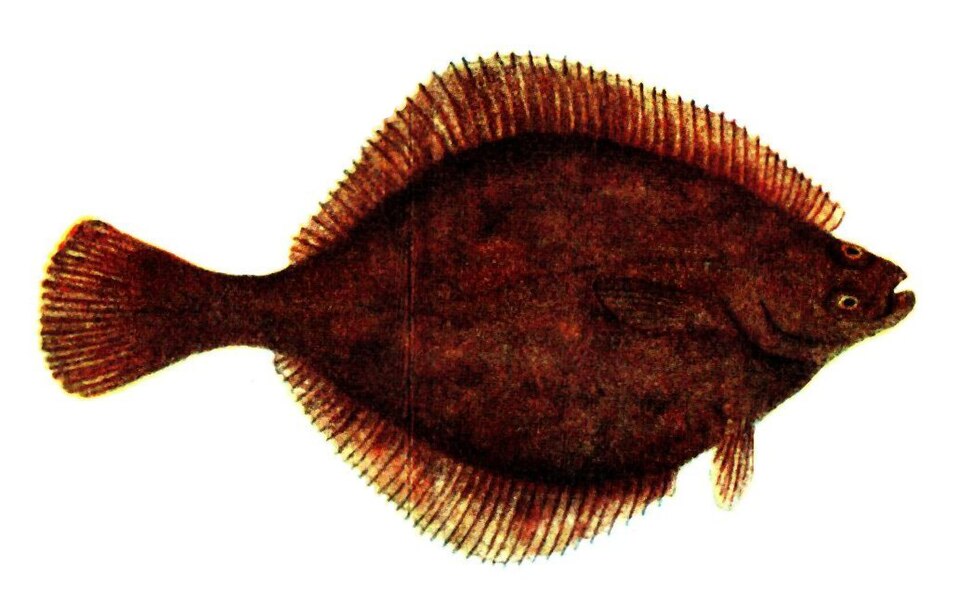
The flounder, a weird, flat fish, has both eyes on one side of its body.

Flounders are wonderfully bizarre fish. They look like someone took a normal fish and then decided to flatten it, rotate its face, and let it live sideways.

10 weird facts about flounders

They are born looking like normal fish.

Baby flounders start life swimming upright, with one eye on each side of their head. During development, one eye gradually migrates across the skull to the other side.
Their skull actually gets rearranged.

The eye doesn’t merely “slide” across the surface. Bones and tissues remodel as the fish develops, producing an adult whose two eyes are on the same side.

They swim sideways for their entire adult lives.

Once transformed, they settle onto the seafloor and swim with their bodies oriented horizontally rather than vertically.

They can be remarkably good at disappearing.

Many flounders can change their coloration and patterns to match the sandy, muddy, or rocky bottom beneath them. Some can even produce surprisingly elaborate patterns.

They sometimes bury themselves completely.

A flounder can wiggle its body and fins to cover itself with sand until essentially only its eyes are visible. It’s the fish equivalent of turning the lights off and pretending nobody’s home.
Both eyes can look upward.

Because both eyes are on the upper-facing side of the body, a resting flounder can watch what is happening above it while lying flat on the bottom.

They can change which side they lie on.

Although particular species usually develop with the eyes on a characteristic side, flounders as a group include both “right-eyed” and “left-eyed” species. The terminology refers to which side bears the eyes when viewed from above.

Their mouths are asymmetrical too.

The bizarre transformation isn’t confined to the eyes. The skull, jaws and other structures become adapted to a life spent lying on one side.

They can see surprisingly well despite looking half-broken.

Their upward-facing eyes are adapted for detecting prey and predators. Their vision is particularly useful for spotting movement above the seafloor.

They are ambush predators.

A flounder can remain motionless on the bottom, camouflaged and partially buried, then suddenly lunge upward and swallow a fish, shrimp, crab or other prey. The attack can be astonishingly fast considering how thoroughly un-athletic the fish looks while sitting there.

Bonus weirdness: Some flounders have been observed changing their body pattern to match different backgrounds. So their camouflage isn’t simply a fixed paint job. Their skin is more like a programmable display.

Posted on — Leave a comment

Worst Way to Become Extinct

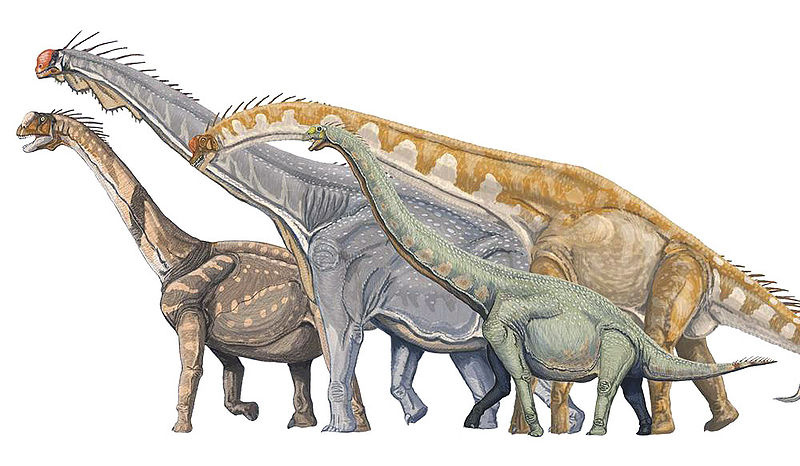
Some dinosaurs had two brains. Since nerve signals move from one part of the body to another relatively slowly – it takes 1/50 of second to notice a pain in your foot – and since these beasts were so large, they had a second brain at the base of the tail to maintain control of the creature’s back legs and tail. Interestingly, the rear brain was bigger than the front brain.


The Largest dinosaur, Brachiosaurus, weighed as much as 800 people, was taller than a four-story hotel, and was as long as two of the longest school buses.


Who says all dinosaurs have died? There is a species of lizard called Komodo Monitor, also known as Komodo Dragon, that can grow to over ten feet long and weigh 365 pounds. Komodo Monitors can eat a pig whole.


Most scientists are now saying that dinosaurs were very unlike lizards. Their legs were usually directly under their bodies, not sticking out from their sides as they are in lizards. Their bone structure was more like that of warm-blooded mammals. Tracks have been found made by of groups of dinosaurs moving together in herds with a spacing and depth of impression indicating sustained high speed, again more a mammalian trait than reptilian.


One theory regarding the extinction of dinosaurs which is gaining some acceptance is that because they were warm-blooded creatures with a high metabolism, they were more susceptible to viruses or bacterial infections than their cold-blooded predecessors. According to one scientist, they might have all died of diarrhea.

Posted on — Leave a comment

Worst Lifespans

See also: Catversity, the free online cat university and entertainment sub-site.

Average Lifespans of Animals

Tortoise = 350 years

Clam = 150 years

Whale = 100 years

Eagle = 100 years

Elephant = 100 years

Crocodile = 300 years

Lion = 40 years

Horse = 30 years

Pig = 25 years

Cow = 25 years

Pigeon = 20 years

Here is Where it Becomes Unfortunate

Cat (kept indoors) = 17 years

Cat (outdoor) = 2 years

Dog = 11 years

Rabbit = 5 years

Rat = 2 years

Mouse (domestic) = 2 years

Mouse (wild) = Less than 1 year

Housefly = 15 – 30 days

Mayfly = 3 to 72 hours

Posted on — Leave a comment

Worst Male

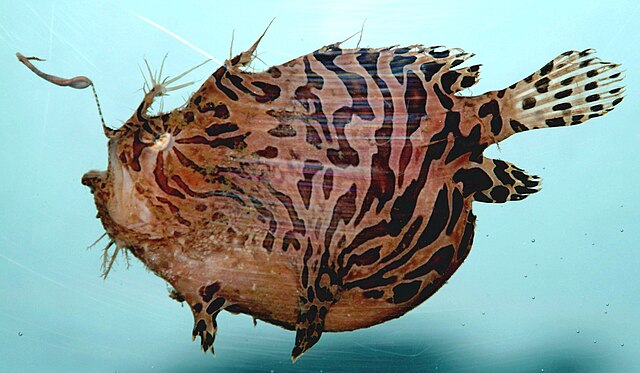
Some anglerfish, who live in the ocean at depths of over one mile (1.6km), have unusual lives. To see where they are going in that depth, or perhaps to attract food, the females have a chemically operated lamp that hangs on a stalk in front of their mouths. The male doesn’t need to see because early in his life, he bites into the belly of the female and stays there forever. After a while the female grows skin over the connection. The male degenerates, losing his teeth, his fins, and any manner of life beyond being a small appendage hanging off the female.

Posted on — Leave a comment

Worst Battle With a Cat

If you need to give liquid medicine to a cat, don’t try to feed it to the cat. This would only result in a battle. Instead, spill the medicine on the kitty’s fur. The cat will lick it off in the process of cleaning.

Some Facts About Cats

Cats can make over 100 different sounds. While dogs only produce around 10 distinct vocalizations, cats use a vast repertoire of meows, purrs, chirps, trills, hisses, and snarls. Intriguingly, adult cats rarely meow at other cats—they developed the meow primarily as a custom frequency to communicate with humans.

They have a extra scent organ on the roof of their mouth. Known as the vomeronasal or Jacobson’s organ, this system allows cats to “taste” scents in the air. When a cat curls its lip and sneers after smelling something strong (a reaction called the Flehmen response), it is routing molecules to this organ for deeper analysis.

Cats cannot taste sweetness. Due to a genetic mutation that occurred early in the evolution of the feline family, cats lack the functional taste receptor proteins required to detect sweet flavors. As obligate carnivores, their palates are strictly wired for amino acids and fats.

Their purr frequency may promote bone and tissue healing. Domestic cats purr at a frequency between 20 Hz and 150 Hz. In human medicine, sound frequencies within this exact range are known to improve bone density, repair tendons, and ease muscle strain, suggesting a purr might double as an internal self-repair mechanism.

Cats spend nearly 70% of their lives sleeping. An average domestic cat sleeps between 12 and 16 hours a day, and older cats can sleep up to 20 hours. This trait is inherited from their wild ancestors, who needed to conserve energy for explosive bursts of high-speed hunting.

A cat’s nose print is as unique as a human fingerprint. The pattern of ridges, bumps, and slits on a cat’s nose pad is entirely unique to that individual. No two cats share the exact same nose print design.

They walk like camels and giraffes. Cats are “direct register” walkers and share a rare gait pattern known as pacing with camels and giraffes. They move both right legs forward together, followed by both left legs. When stepping forward, a cat’s hind paws land almost perfectly in the exact footprint left by its front paws, minimizing noise and visible tracks.

Cats do not have collarbones. Unlike humans, a cat’s clavicle is not anchored to other bones; it is suspended in muscle. This floating collarbone allows their shoulders to collapse inward, enabling them to squeeze through any opening that is wide enough to fit their head.

They have an extra eyelid. Cats possess a translucent “third eyelid” called a nictitating membrane, located in the inner corner of each eye. This thin layer sweeps across the eye to protect it from debris and keep it moist without requiring the cat to fully close its eyes.

A group of cats is called a “clowder.” While a group of kittens born together is a litter, a gathering of adult cats is known as a clowder (or alternatively, a glaring or a pounce).