When hippos sweat, their sweat is red.
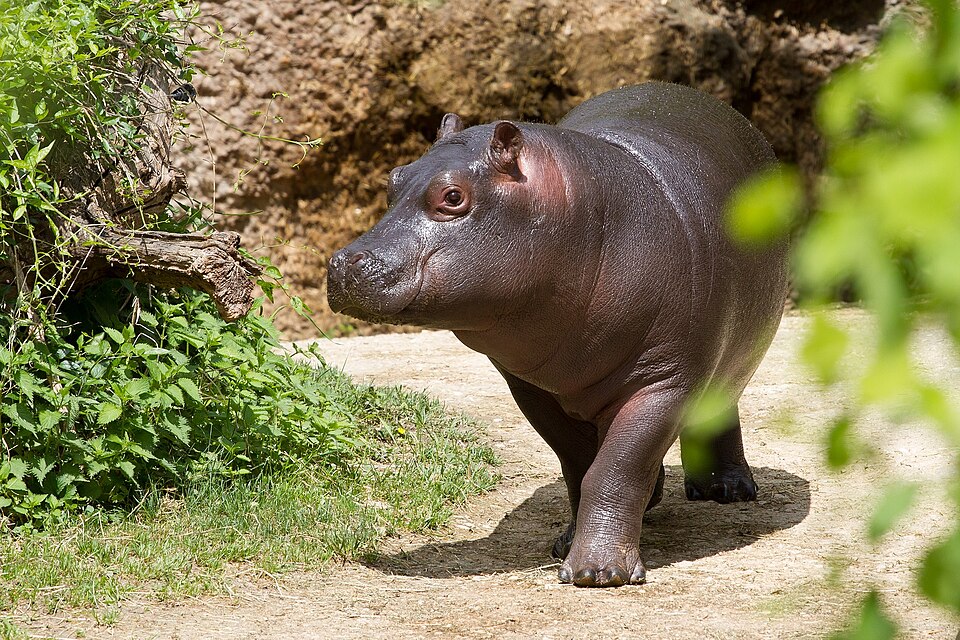
Hippos secrete a thick, reddish-pink fluid often called “blood sweat.” It isn’t actually blood or sweat, but a combination of hipposudoric acid and norhipposudoric acid. This pigment acts as a natural sunscreen, moisturizes their skin, and doubles as a powerful antibacterial agent.
The skin of a hippopotamus is an one-and-a-half inches (3.8 cm) thick and nearly bulletproof.
They Can’t Actually Swim or Float
Despite spending most of their lives in water, hippos are too dense to float or swim. Instead, they sink to the bottom and move around by bouncing off the riverbed or walking along the underwater floor.
They Breathe Automatically While Asleep Underwater
Hippos can hold their breath underwater for up to five minutes. When sleeping submerged, their bodies automatically surface, take a breath, and sink back down without ever waking them up.
Their Closest Living Relatives Are Whales and Dolphins
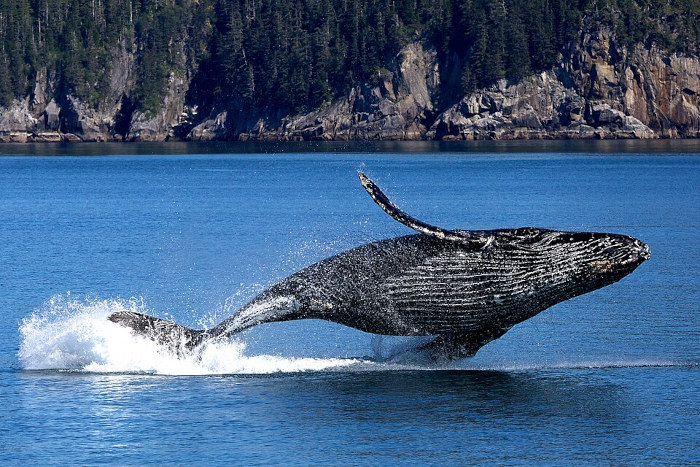
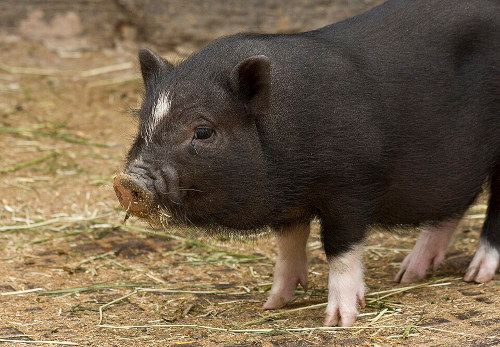
Although they resemble giant pigs, hippos are genetically far closer to cetaceans (whales, dolphins, and porpoises). Their common ancestor split into land-based hippos and aquatic cetaceans roughly 55 million years ago.
They Use “Fecal Deflection” to Mark Their Territory
To mark their territory, a male hippo will spin its paddle-like tail rapidly while defecating. This sprays feces over a wide area, signaling ownership of a stretch of water or riverbank to rival males.
They Have an Explosively Powerful Yawn That Doubles as a Threat
When a hippo opens its mouth wide in what looks like a lazy yawn, it isn’t tired. It is actually displaying its massive, self-sharpening lower canine teeth (which can reach nearly 20 inches in length) to intimidate rivals and establish dominance.
Their Milk Is Bright Pink
While normal hippo milk is white or cream-colored, it often mixes with the reddish hipposudoric acid secreted from their skin while nursing, giving the milk a distinct pink hue.
They Can Outrun Most Humans
Despite weighing up to 4,000 pounds (1,800 kg), hippos can run at speeds of 19 to 30 mph (30 to 48 km/h) over short distances—easily outpacing the fastest human sprinters.
Invasive “Cocaine Hippos” Are Thriving in Colombia
In the late 1980s, drug lord Pablo Escobar imported four hippos to his private estate in Colombia. After his death, the hippos were left to roam free, and their population has ballooned to over 150 individuals, making them the largest invasive land mammal outside of Africa.
They Are Responsible for More Human Deaths in Africa Than Lions
Hippos are fiercely territorial and highly unpredictable. Because of their aggressive nature, powerful jaws, and tendency to charge boats or people getting between them and the water, they kill more humans in Africa each year than lions, leopards, or elephants.