
Ketchup was originally made from fish broth and mushrooms. Tomatoes were added later. Today, ketchup has to contain sugar, otherwise it must be called imitation ketchup.

Ketchup was originally made from fish broth and mushrooms. Tomatoes were added later. Today, ketchup has to contain sugar, otherwise it must be called imitation ketchup.

Casimir Polemus of France survived three shipwrecks. In each case, he was the only survivor.
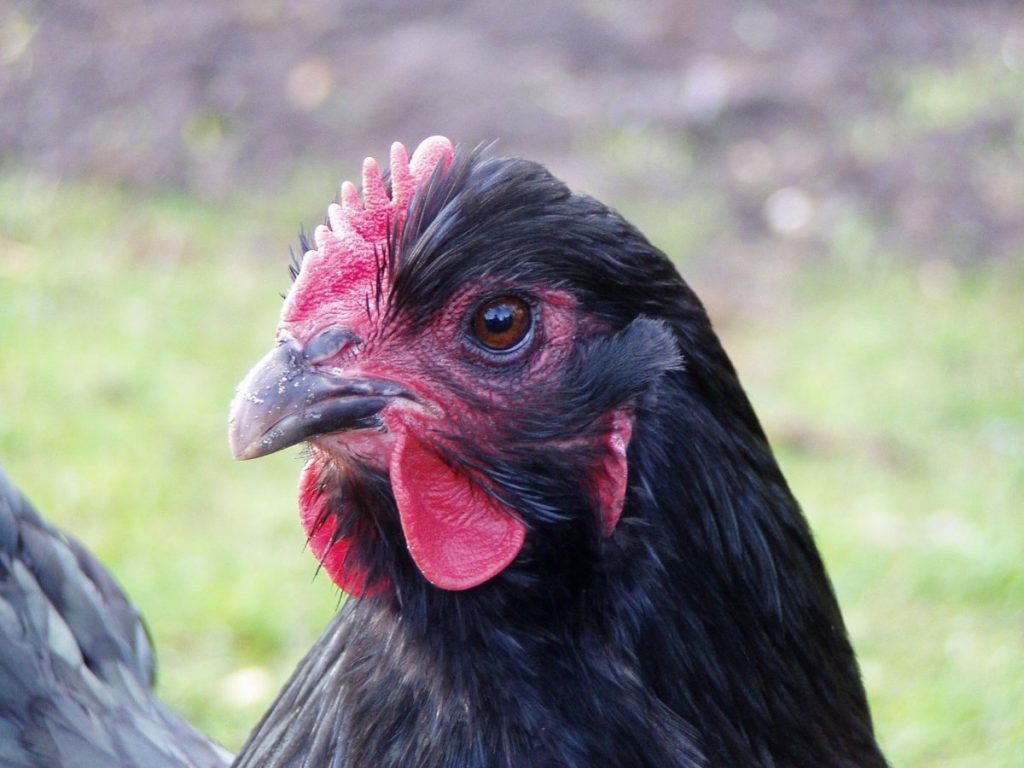
There was a research project that involved having a scientist yell at chickens, then measure their health compared to other chickens that were treated nicely. As it turns out, the chickens treated kindly were more resistant to infection.
Do you trust scientists to always do the right thing? Take a look at Worst Assumption.

If you need to give liquid medicine to a cat, don’t try to feed it to the cat. This would only result in a battle. Instead, spill the medicine on the kitty’s fur. The cat will lick it off in the process of cleaning.
Cats can make over 100 different sounds. While dogs only produce around 10 distinct vocalizations, cats use a vast repertoire of meows, purrs, chirps, trills, hisses, and snarls. Intriguingly, adult cats rarely meow at other cats—they developed the meow primarily as a custom frequency to communicate with humans.
They have a extra scent organ on the roof of their mouth. Known as the vomeronasal or Jacobson’s organ, this system allows cats to “taste” scents in the air. When a cat curls its lip and sneers after smelling something strong (a reaction called the Flehmen response), it is routing molecules to this organ for deeper analysis.
Cats cannot taste sweetness. Due to a genetic mutation that occurred early in the evolution of the feline family, cats lack the functional taste receptor proteins required to detect sweet flavors. As obligate carnivores, their palates are strictly wired for amino acids and fats.
Their purr frequency may promote bone and tissue healing. Domestic cats purr at a frequency between 20 Hz and 150 Hz. In human medicine, sound frequencies within this exact range are known to improve bone density, repair tendons, and ease muscle strain, suggesting a purr might double as an internal self-repair mechanism.
Cats spend nearly 70% of their lives sleeping. An average domestic cat sleeps between 12 and 16 hours a day, and older cats can sleep up to 20 hours. This trait is inherited from their wild ancestors, who needed to conserve energy for explosive bursts of high-speed hunting.
A cat’s nose print is as unique as a human fingerprint. The pattern of ridges, bumps, and slits on a cat’s nose pad is entirely unique to that individual. No two cats share the exact same nose print design.
They walk like camels and giraffes. Cats are “direct register” walkers and share a rare gait pattern known as pacing with camels and giraffes. They move both right legs forward together, followed by both left legs. When stepping forward, a cat’s hind paws land almost perfectly in the exact footprint left by its front paws, minimizing noise and visible tracks.
Cats do not have collarbones. Unlike humans, a cat’s clavicle is not anchored to other bones; it is suspended in muscle. This floating collarbone allows their shoulders to collapse inward, enabling them to squeeze through any opening that is wide enough to fit their head.
They have an extra eyelid. Cats possess a translucent “third eyelid” called a nictitating membrane, located in the inner corner of each eye. This thin layer sweeps across the eye to protect it from debris and keep it moist without requiring the cat to fully close its eyes.
A group of cats is called a “clowder.” While a group of kittens born together is a litter, a gathering of adult cats is known as a clowder (or alternatively, a glaring or a pounce).
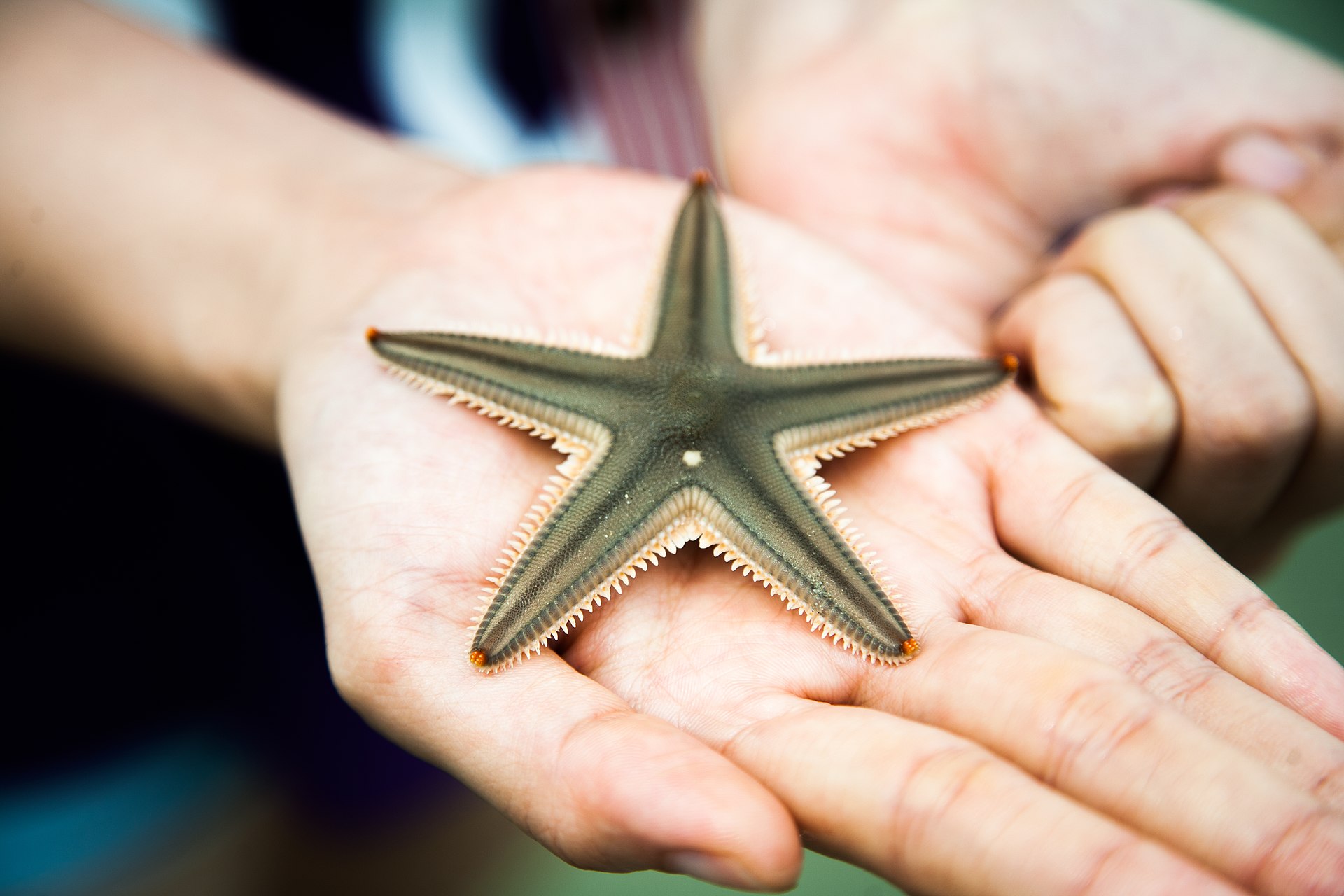
Starfish have a gross and unusual manner of eating. They eat by regurgitating their stomachs outside of their bodies. To consume prey like clams or mussels, a starfish pries open the shell slightly, ejects its lower stomach out through its mouth, and digests the prey’s tissue right inside the victim’s shell before pulling its stomach back in.
Starfish aren’t actually fish. They are echinoderms, closely related to sea urchins and sand dollars. Because they lack gills, scales, and backbones, scientists and marine biologists prefer to call them “sea stars.”
They can regenerate entire lost arms. If a predator bites off a sea star’s arm, the animal can grow a brand-new one. In some species, a single severed arm can even regenerate an entire new body if a central part of the core remains attached.
They pump seawater through their bodies instead of blood. Sea stars do not have blood or a central heart. Instead, they use a vascular system that pumps filtered seawater through their bodies to deliver nutrients and operate their feet.
They have eyes on the ends of their arms. At the tip of each arm sits a small micro-eye spot that detects light and dark. While they cannot see detailed images, these eyes help them navigate toward light sources and avoid shadow-heavy predators.
They move using thousands of tiny tube feet. On the underside of their arms are hundreds of tube feet operated by hydraulic pressure. These feet allow them to walk smoothly across the ocean floor, adhere tightly to steep rocks, and open tough mollusk shells.
Not all sea stars have five arms. While the classic sea star shape features five arms, some species have far more. The sun star can have up to 40 arms, while the crown-of-thorns starfish typically has between 13 and 21.
They can change their sex. Certain species of sea stars are born male and transition into females later in life as they mature. Others can reproduce both sexually by releasing gametes into the water and asexually through body division.
Their skin is covered in tiny protective pincers. Called pedicellariae, these tiny claw-like structures sit on the surface of the sea star’s skin to prevent algae, parasites, and debris from settling on them and blocking their breathing gills.
They have no centralized brain. Sea stars manage complex movements and hunting behaviors entirely through a decentralized nervous system. A nerve ring around the mouth connects to radial nerves running down each arm, allowing the limbs to act independently yet cooperatively.
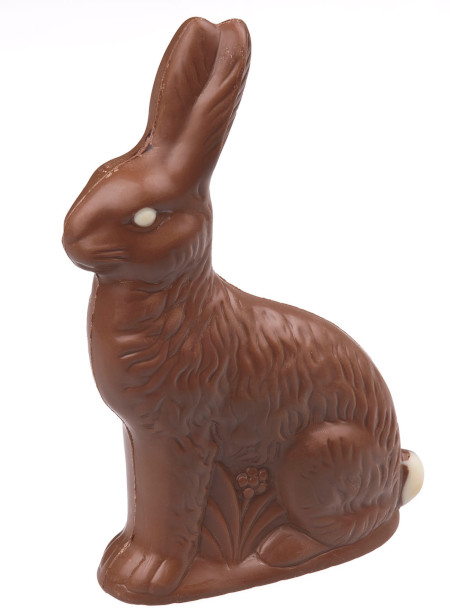
Thinking you ought to eat less chocolate? Knowing this might help: The US FDA (Food and Drug Administration) considers chocolate acceptable for public consumption as long as there are less than 60 microscopic insect fragments per 100 grams (four ounces, or approximately one candy bar).
Chocolate was once used as currency. The ancient Mayans and Aztecs valued cacao beans so highly that they used them as money to trade for food, clothes, and tools.
White chocolate isn’t technically chocolate. Because it contains no cocoa solids or chocolate liquor—only cocoa butter, sugar, milk solids, and lecithin—it fails the strict legal definition of chocolate in many countries.
It melts right at human body temperature. Cocoa butter has a unique melting point between 86°F and 90°F (30°C to 32°C), which is just below normal body temperature (98.6°F). This is why chocolate yields that distinct “melt-in-your-mouth” sensation.
It takes around 400 cacao beans to make one pound of chocolate. A single cacao tree produces about 20 to 30 pods per year, meaning one tree yields enough beans to make only a few bars of chocolate.
Chocolate was originally consumed as a bitter, spicy drink. For nearly 90% of its history, cacao was brewed as a liquid, often mixed with chili peppers, water, and cornmeal. Solid eating chocolate wasn’t mass-produced until the mid-19th century.
The world’s largest chocolate bar weighed over 12,000 pounds. Crafted in the UK in 2011, the bar set a Guinness World Record at 12,770 lbs (5,792 kg) and measured over 13 feet long.
The smell of chocolate increases theta brain waves. Smelling chocolate triggers relaxation by stimulating theta waves in the brain, which are associated with a calm, meditative state.
Rats are as vulnerable to chocolate toxicity as dogs. Theobromine, the bitter alkaloid found in cacao, is toxic to many animals because their metabolisms process it much slower than humans do. Dark chocolate contains the highest concentrations.
The word “chocolate” comes from Classical Nahuatl. It derives from the Aztec word chocolātl, which in turn gave rise to the Spanish word chocolate before spreading globally.
Ruth Wakefield sold the chocolate chip cookie recipe for $1. The creator of the Toll House Cookie gave her recipe to Nestlé in 1939 in exchange for a lifetime supply of chocolate and a dollar (which she reportedly never collected).
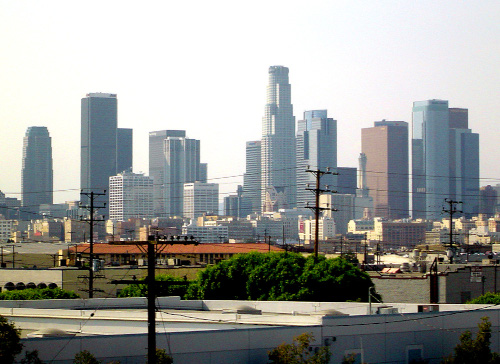
We all know LA. is an abbreviation for a big city in California, but most people don’t know the full name. It is, “El Pueblo de Nuestra Senora la Reina de los Angeles de Porciuncula.”
It is legally illegal to drive more than 2,000 sheep down Hollywood Boulevard at once. You can, however, herd up to 2,000 sheep without breaking the city ordinance.
The famous Hollywood Sign originally said “HOLLYWOODLAND.” Built in 1923 as an outdoor billboard for a real estate development, the final four letters were removed during a restoration in 1949.
Los Angeles is home to an active, working oil field hidden in plain sight. High schools, shopping centers, and office buildings often double as camouflaged oil rigs—including a 14-story, brightly painted tower right on the campus of Beverly Hills High School.
It holds the world record for the shortest railway line. The Angels Flight funicular railway in Downtown L.A. covers a track of just 298 feet (about 91 meters) up Bunker Hill.
L.A. has a secret network of underground tunnels. Built during Prohibition to move illegal alcohol between speakeasies beneath the city streets, the roughly 11 miles of tunnels have also been used to transport prisoners and VIPs away from crowds.
Santa Monica Pier’s famous Ferris wheel is 100% solar-powered. It was the world’s first solar-powered Ferris wheel, operating on a series of panels that capture the Southern California sun.
There are more cars than people in Los Angeles County. Vehicles occupy roughly 14% of the city’s total land area, dedicated strictly to streets, freeways, parking structures, and driveways.
The Tar Pits in the middle of the city are still actively bubbling. La Brea Tar Pits is one of the world’s most famous paleontological urban sites, where natural asphalt continuously seeps up from the ground, trapping prehistoric fossils—and occasionally confusing modern tourists.
L.A. was once a major producer of celery and avocados. Long before it became the entertainment capital of the world, much of the Los Angeles Basin was dominated by citrus groves, bean fields, and massive agricultural farms.
See also Worst Jokes About Los Angeles.
In Japan there is a liquor made from the fermented bodies of venomous snakes.

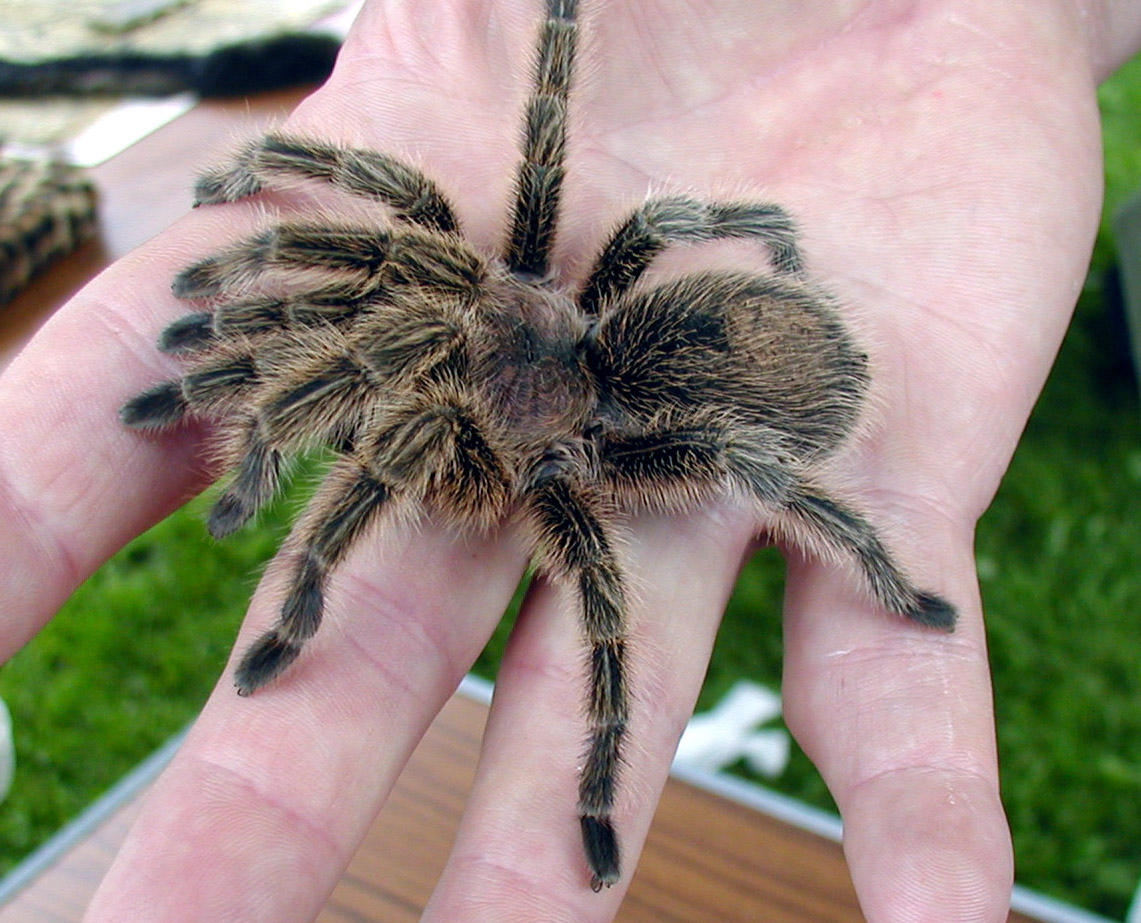
Spiders inject their victims with a chemical that dissolves them. Then the spiders drink their lunch with their mouths which are soda straw-like. A tarantula can totally liquefy a mouse.
The golden wheel spider (Carparachne aureoflava) of the Namib Desert escapes predatory pompilid wasps by flipping on its side, curling its legs, and cartwheel-rolling down sand dunes at speeds of up to 44 turns per second.
Spider silk is made of complex protein chains that require significant energy to produce. To conserve resources, many orb-weaver spiders tear down their webs every night and eat the silk, digesting the amino acids to spin brand-new webs the next day.
Out of over 50,000 known spider species, Bagheera kiplingi—a species of jumping spider found in Central America—is almost entirely vegetarian. Up to 90% of its diet consists of specialized nutrient-rich buds (Beltian bodies) harvested from acacia trees.
Spiders don’t use opposing muscle pairs to extend their legs like mammals do. Instead, they rely on a hydraulic system, pumping hemolymph (blood) into their limbs to force them outward. When a spider dies, its hydraulic system loses pressure, causing its legs to curl inward.
The diving bell spider (Argyroneta aquatica) spends almost its entire life under freshwater lakes and ponds. It spins a bell-shaped silk web underwater and traps air bubbles from the surface, creating an aquatic “diving bell” that functions like an artificial gill to absorb oxygen from the surrounding water.
Myrmecarachne jumping spiders use myrmecomorphy (ant mimicry) to deter predators like birds and wasps, which usually avoid aggressive, bad-tasting ants. These spiders hold their front two legs in the air to resemble ant antennae and walk in frantic, ant-like zig-zags.
Despite having a leg span reaching up to 12 inches (30 cm), giant huntsman spiders have uniquely flattened bodies and specialized hip joints. This allows their legs to extend sideways rather than vertically, enabling them to squeeze into crevices no thicker than a coin.
Unlike human blood, which uses iron-based hemoglobin to transport oxygen and turns red, spider blood uses a copper-based protein called hemocyanin. When exposed to oxygen, spider blood turns a pale translucent blue.
Male peacock spiders (Maratus) engage in intricate courtship displays that rival tropical birds. They raise their iridescent, colorful abdominal flaps, wave their legs in complex patterns, and vibrate their bodies in rhythmic beats to court females—who will promptly eat them if the dance isn’t impressive enough.
Weight for weight, dragline spider silk is roughly five times stronger than high-grade steel and significantly tougher than Kevlar. It can stretch to over 30% of its length without snapping, allowing it to absorb high-impact energy without breaking.

When Adolf Hitler saw a pile of bricks near the church of St. Matthew in Munich, Germany, he said, “That pile of stones will have to be removed.” Someone misunderstood him, thinking he was referring to the whole church. The church was demolished.
He Was Heavy into Prescription Drugs and Meth
Hitler’s personal physician, Dr. Theodor Morell, kept the German dictator on an escalating daily regimen of up to 80 different medications. These included daily injections of high-grade methamphetamine (Pervitin), opiates, cocaine eye drops (prescribed for sinus troubles), and even extracts from young bulls’ testicles to boost his libido.
He Whistled Disney Songs for Stress Relief
Despite being an infamous tyrant, Hitler was a fan of early American cinema and animation. His associates noted that when he was in a good mood—or attempting to de-stress after major events like the fall of Paris—he would compulsively whistle tunes like “Who’s Afraid of the Big Bad Wolf” and “When You Wish Upon a Star”.
His Iconic Mustache Was Trimmed for Gas Masks
Before and during early World War I, Hitler wore a thick, full “Kaiser-style” handlebar mustache. He was ordered to trim it down to the distinct “toothbrush” style specifically so it would form a proper seal under a military gas mask after surviving a mustard gas attack.
He Was Technically Stateless for Seven Years
Hitler was born in Austria-Hungary and loathed the multi-ethnic empire. He formally renounced his Austrian citizenship in 1925 but was unable to gain German citizenship right away, leaving him officially stateless (without a country or passport) until 1932, when a Nazi political ally secured him a low-level government job in Brunswick that automatically conferred German nationality.
He Borrowed the “Sieg Heil” Cheer from College Cheerleaders
According to Ernst “Putzi” Hanfstaengl, a close associate of Hitler in the 1920s who went to Harvard, Hitler was deeply fascinated by American college football culture. He adapted the rhythmic, unison chanting and sharp arm gestures used by U.S. cheerleaders to create the rallies and the famous “Sieg Heil!” salute.
He Was a Severe Hypochondriac with Chronic Flatulence
Hitler suffered from severe stomach cramps and chronic digestive issues, resulting in extreme flatulence. His doctors treated the condition with a bizarre array of remedies, including anti-gas pills composed of strychnine and atropine (which nearly poisoned him over time) and chamomile enemas.
He Never Visited a Single Concentration Camp
Despite engineering the Holocaust and ordering the deaths of millions, Hitler maintained a strict distance from the actual mechanics of the genocide. He never visited a single extermination camp, avoided hospitals treating wounded soldiers, and refused to view physical evidence of the destruction he ordered.
He Was a Night Owl Who Slept Through D-Day
Hitler had severe insomnia and rarely went to sleep before 3:00 or 4:00 a.m. Because of his strict orders that he never be disturbed while sleeping, his staff was too terrified to wake him on the morning of June 6, 1944 (D-Day). He slept in until nearly noon, delaying critical orders to release reserve Panzer divisions to counter the Allied landings at Normandy.
He Loved Sweets and Hated the Dentist
Despite his strict vegetarian diet, Hitler was addicted to sugar. He reportedly ate up to two pounds of chocolate a day, added multiple spoonfuls of sugar to fine wine, and loved heavy pastries. Unsurprisingly, this led to terrible dental health, severe abscesses, and an intense fear of the dentist; he once insisted on spreading a simple root canal out over eight days because he couldn’t stand the pain.
His Last Name Was Almost “Schicklgruber”
Hitler’s father, Alois, was born out of wedlock to Maria Anna Schicklgruber and used her last name for the first 39 years of his life. Alois later legally changed his last name to “Hitler” (a variant of his stepfather’s name, Hiedler) 13 years before Adolf was born. Had his father not made the change, the Nazi dictator would have been named Adolf Schicklgruber.